Landscaping Services

Homeowner guides to landscaping service types, including hardscaping, planting, drainage, lighting, irrigation, and maintenance planning.

Start with the service type

Landscaping Services Guideposts

Use these guides to understand what each service includes before comparing providers or requesting quotes.

Core service explainers

Start here when you are still deciding what kind of landscaper or outdoor contractor you need.

Compare before you hire

Use these pages when two services or surface choices sound similar but lead to different scopes.

Hire smarter

Planning And Contractor Comparison

Use this hub when you are moving from ideas into estimates, bids, and contractor conversations.

Before requesting estimates

These guides help define scope and compare companies before the first site visit.

Budget with better assumptions

Cost Guides And Calculators

Use this hub to move from rough budget ranges into the details that usually change quotes.

Calculator starting points

Open the calculator hub or a cost guide when you need a quick planning range.

High-impact cost decisions

These pages help compare choices where price, lifespan, and maintenance tradeoffs matter.

Understand the build

Installation And Site-Work Pathways

Use these guides to understand sequencing, site prep, access, and the details that affect long-term performance.

Hardscape and site prep

These projects often depend on base prep, demolition, grading, drainage, and access.

Drainage and retaining work

Use these when water, grade, or slope stability is part of the project.

Choose materials with ownership in mind

Material And Finish Decision Paths

Use these guides when appearance, maintenance, replacement, and budget all affect the right material choice.

Surface and finish comparisons

Compare outdoor surfaces before committing to a driveway, patio, or lawn direction.

Landscape material planning

Use these pages when quantity, delivery, or long-term maintenance are the main concern.

Protect the investment

Maintenance And Ownership Next Steps

Use these guides to understand ongoing care, seasonal refreshes, and when maintenance points to a bigger fix.

Maintenance planning

These guides help compare recurring service, seasonal work, and refresh projects.

When upkeep becomes repair

Use these when repeated maintenance problems suggest drainage, surface, or material issues.

  • Small Patio Ideas Guide for Homeowners

    Small Patio Ideas Guide for Homeowners

    A small patio needs better planning than a large one because there is less room for mistakes. Furniture size, circulation, planting edges, and how the patio connects to the house all matter more when the square footage is limited.

    Choose one main use first

    Most small patios work better when they are designed primarily for dining, lounging, or a fire feature rather than trying to do all three at full scale.

    Keep furniture and edges proportional

    Oversized furniture and deep planting beds make compact patios feel cramped quickly. Smaller footprints usually feel better when the perimeter treatment is simpler and cleaner.

    Use layout to create openness

    Sometimes the best small-patio idea is just to protect the path through the space and avoid blocking the view into the yard. If you are still shaping the main patio plan, use our Patio Installation Guide for Homeowners and the patio-layout guide together.

    What homeowners should remember

    A small patio usually feels better when it is intentional, not overloaded. Clarity and proportion matter more than feature count.

  • Low-Water Backyard Landscaping Ideas Guide

    Low-Water Backyard Landscaping Ideas Guide

    Low-water backyard landscaping does not have to mean giving up comfort or visual interest. In many cases, a lower-water yard becomes more usable because the layout is more intentional and the plant and material choices match the climate better.

    Reduce lawn where it is not helping

    Backyards often have turf in awkward strips or underused corners that consume water without adding much value. Replacing those areas with functional patio space, planting, or simplified ground treatment can lower water use while improving layout.

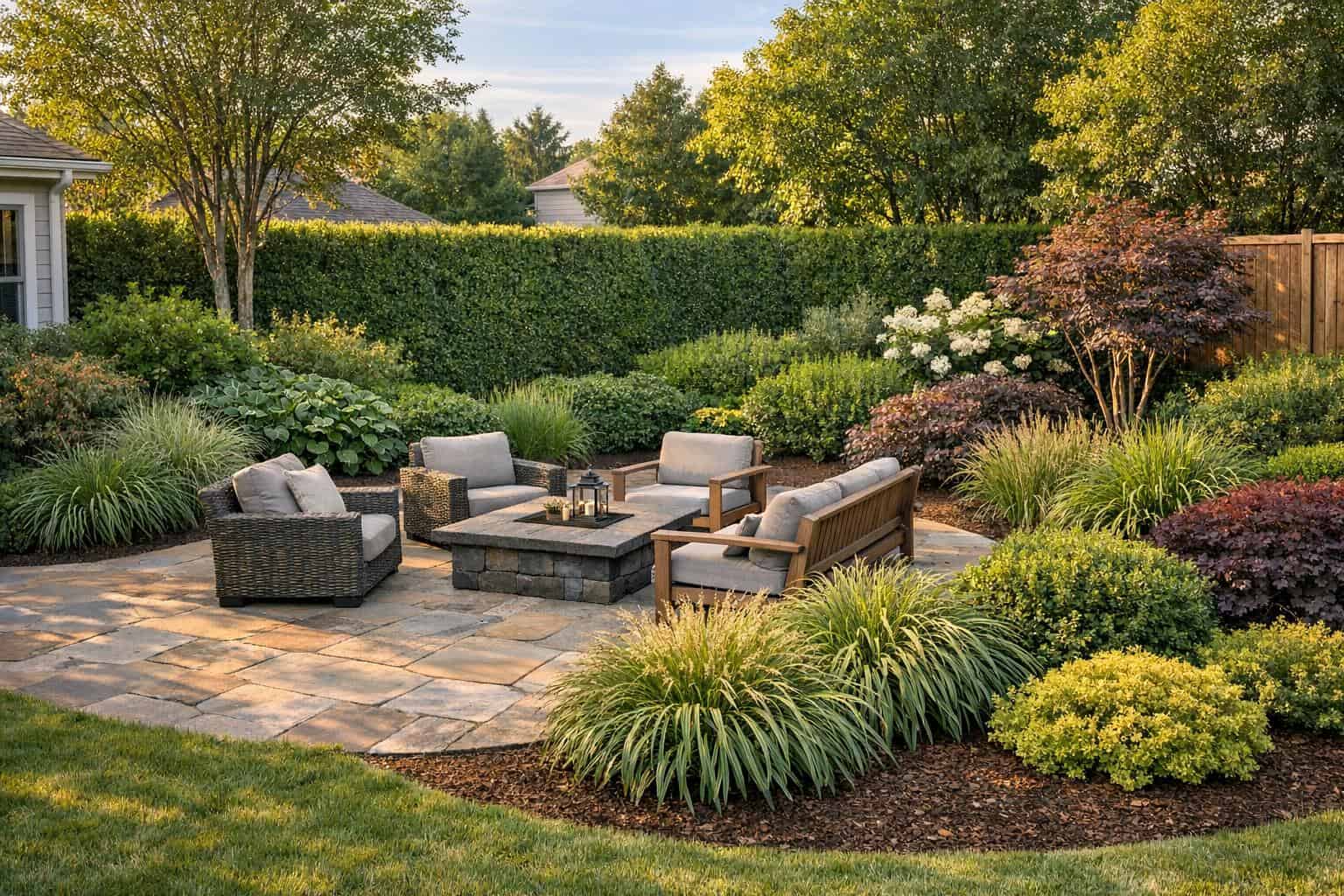
    Low-Water Backyard Landscaping Ideas Guide related example showing Small Backyard Landscaping detail relevant to warning signs, wear, and maintenance decisions
    This backyard example gives homeowners a visual reference for comparing layout, materials, and maintenance tradeoffs before starting the project.

    Use drought-tolerant planting with stronger grouping

    When lower-water plants are grouped intentionally, the yard feels more designed and easier to maintain. For the bigger strategy, our Low-Water Landscaping Guide for Homeowners is a good starting point.

    Design the backyard for how it is used

    If the backyard is meant for dining, pets, kids, or relaxing, those needs should shape where lower-water planting, hardscape, and circulation go. That usually creates a better result than replacing everything evenly.

    What homeowners should remember

    The best low-water backyard ideas usually feel like layout improvements first and water-saving measures second. When the yard works better, the lower-water choices make more sense visually too.

    Low-Water Backyard Landscaping Ideas Guide related example showing Small Backyard Landscaping detail relevant to planning mistakes, layout, and upkeep expectations
    This related backyard detail helps show how site conditions and finish choices can change the homeowner's plan.

  • Privacy Patio Ideas Guide for Homeowners

    Privacy Patio Ideas Guide for Homeowners

    A patio does not need total enclosure to feel private. In most yards, the better strategy is to screen the views that affect comfort most, then shape the patio so seating, circulation, and surrounding planting support that privacy goal.

    Screen the patio, not the entire property line

    Many homeowners get better results by focusing privacy around the actual seating or dining zone. That keeps the yard more open while still protecting the spaces where people spend time.

    Use layered privacy, not one hard barrier

    Mixed shrubs, small trees, and selective structure often feel better than one tall solid hedge or fence line. This also gives you more flexibility if the patio may expand later.

    Privacy Patio Ideas Guide for Homeowners related example showing Layered privacy landscaping with screening plants, mulch beds, and fence-line layout detail
    This privacy example gives homeowners a visual reference for comparing layout, materials, and maintenance tradeoffs before starting the project.

    Coordinate privacy with patio layout

    Privacy decisions work better when they are made alongside patio shape, furniture placement, and circulation paths. Our Backyard Patio Layout Ideas Guide for Homeowners is a useful companion if the patio itself still needs layout work.

    Privacy Patio Ideas Guide for Homeowners related example showing Residential privacy landscaping scene with layered screening plants, planting beds, and fence line context
    This related privacy detail helps show how site conditions and finish choices can change the homeowner's plan.

    What homeowners should remember

    Good patio privacy ideas make the outdoor room feel calmer and more usable without making the rest of the yard feel boxed in.


  • Backyard Lighting Ideas Guide for Homeowners

    Backyard Lighting Ideas Guide for Homeowners

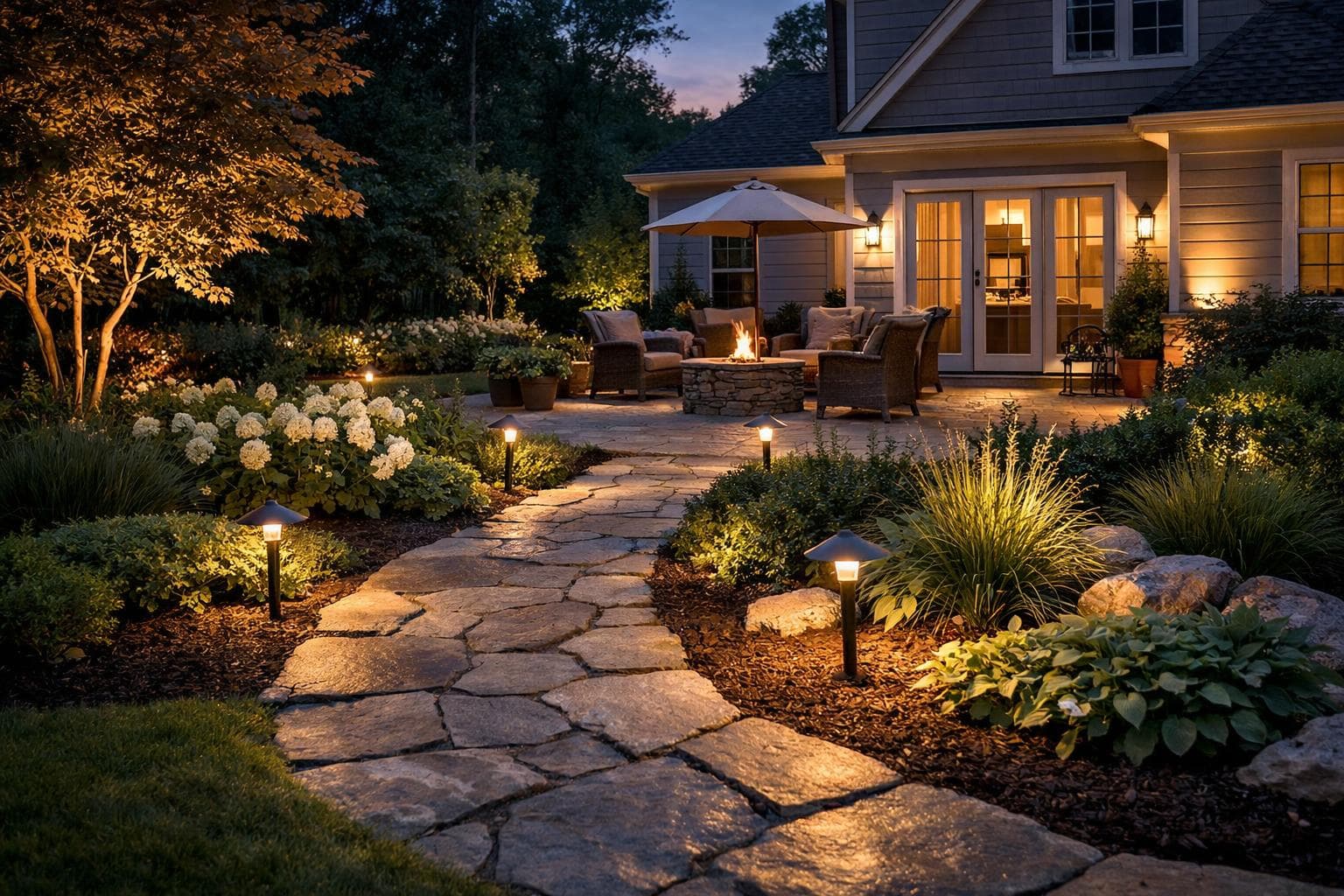
    Backyard lighting should do more than make the yard brighter. The best lighting ideas improve how outdoor spaces feel after dark, make movement safer, and help specific features stand out without flooding the whole yard with glare.

    Light the spaces people actually use

    Patios, dining areas, steps, and paths usually deserve attention before decorative uplighting elsewhere. Start with the parts of the yard where people walk, gather, and transition between spaces.

    Think in layers, not fixture count

    A strong backyard lighting plan often combines path lights, subtle accent lighting, and a few task-oriented fixtures near key seating or cooking areas. If you need the broader planning framework, see our Landscape Lighting Guide for Homeowners.

    Protect the atmosphere

    Too much light can flatten the space and make the yard feel less comfortable. Homeowners usually get better results when lighting is aimed and shielded carefully, with darker areas left intentionally between focal points.

    What homeowners should remember

    The best backyard lighting ideas usually make the yard easier to use while still letting it feel calm at night.


  • Front Entry Landscaping Ideas Guide for Homeowners

    Front Entry Landscaping Ideas Guide for Homeowners

    The front entry is where landscaping and architecture meet most directly. Even a nice yard can feel underwhelming if the path to the door is unclear, crowded, or visually disconnected from the house. Good front-entry landscaping helps people understand where to go while also making the arrival feel more polished.

    Make the path to the door obvious

    Many entry areas improve dramatically when the walkway edges are cleaner, the bed lines are simpler, and the plants near the entrance stop competing for attention. The path should be easy to read from the driveway or sidewalk.

    Use plants to frame, not hide, the entrance

    Plants around the front door should soften the house and add scale, but they should not block windows, overwhelm the steps, or make lighting harder to use. Repetition and symmetry often help, especially on more formal homes.

    Give the entry zone a finished edge

    Fresh mulch, better bed definition, lighting, or one stronger focal plant can make the door area feel much more intentional. For broader context, our Front Yard Landscaping Guide for Homeowners helps connect entry design to the rest of the yard.

    What homeowners should remember

    The best front-entry ideas usually improve wayfinding, scale, and first impression at the same time. If the path to the door feels clear and welcoming, the whole front yard tends to feel more complete.

    More Entry Bed and Focal-Point Guides

    More Front Edge and Mailbox Guides

    More Step and Bed-Edge Guides

    More Front Entry Repetition Guides

    More Front Entry Depth and Layering Guides

    More Entry-Zone Comparison Guides

    More Front Entry Finish Guides

    More Entry Bed Seasonal Guides

    More Entry Height-Balance Guides

    More Entry Evergreen Structure Guides

    Related homeowner planning guides

    Use these next-step guides to make the project more specific before comparing estimates or choosing materials.

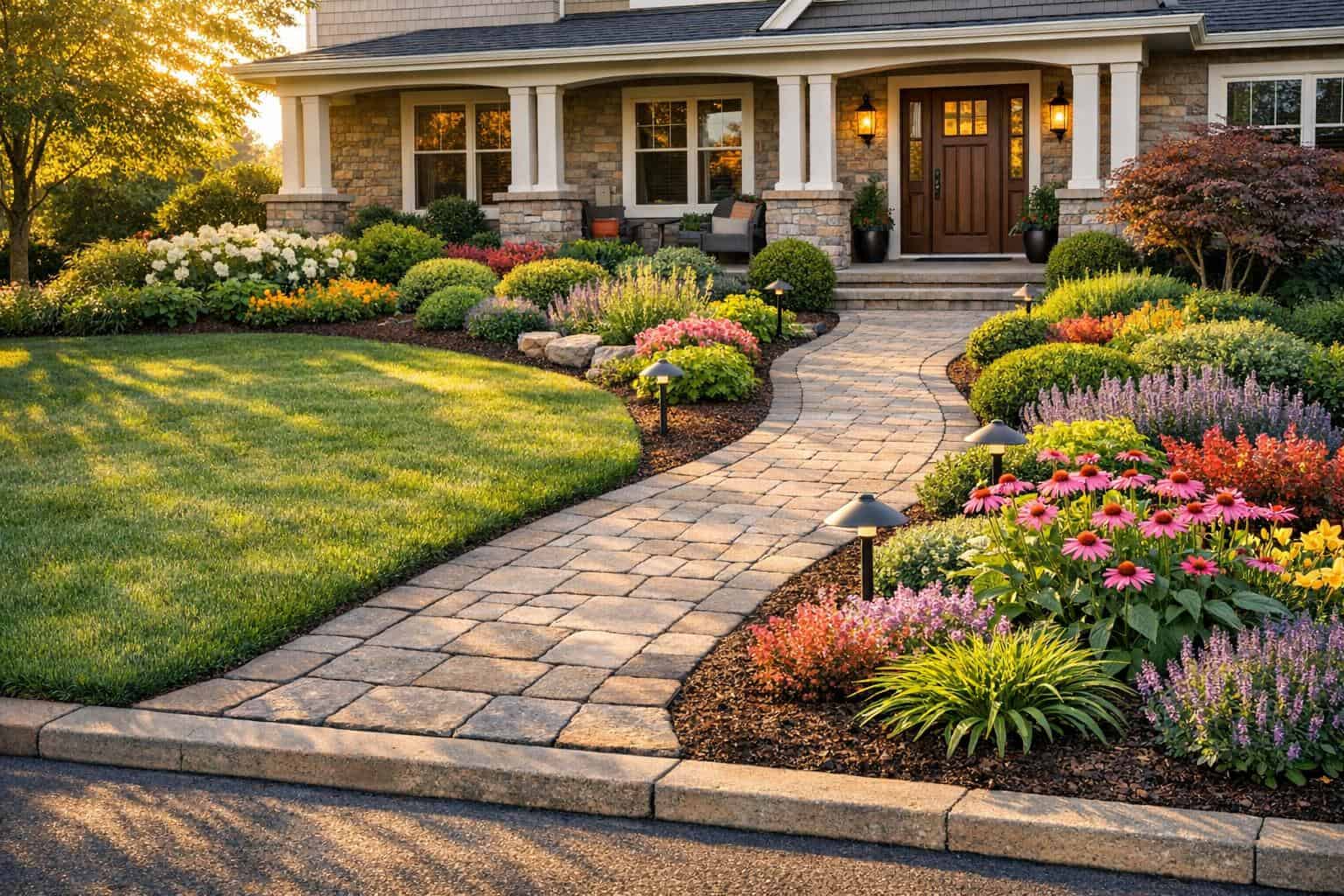
    Front Entry Landscaping Ideas Guide for Homeowners related example showing Front entry landscape materials relevant to choosing surfaces and finishes for a smaller yard
    This front yard example gives homeowners a visual reference for comparing layout, materials, and maintenance tradeoffs before starting the project.

    Related homeowner planning guides

    Use these next-step guides to narrow the project before choosing materials, comparing estimates, or changing the layout.

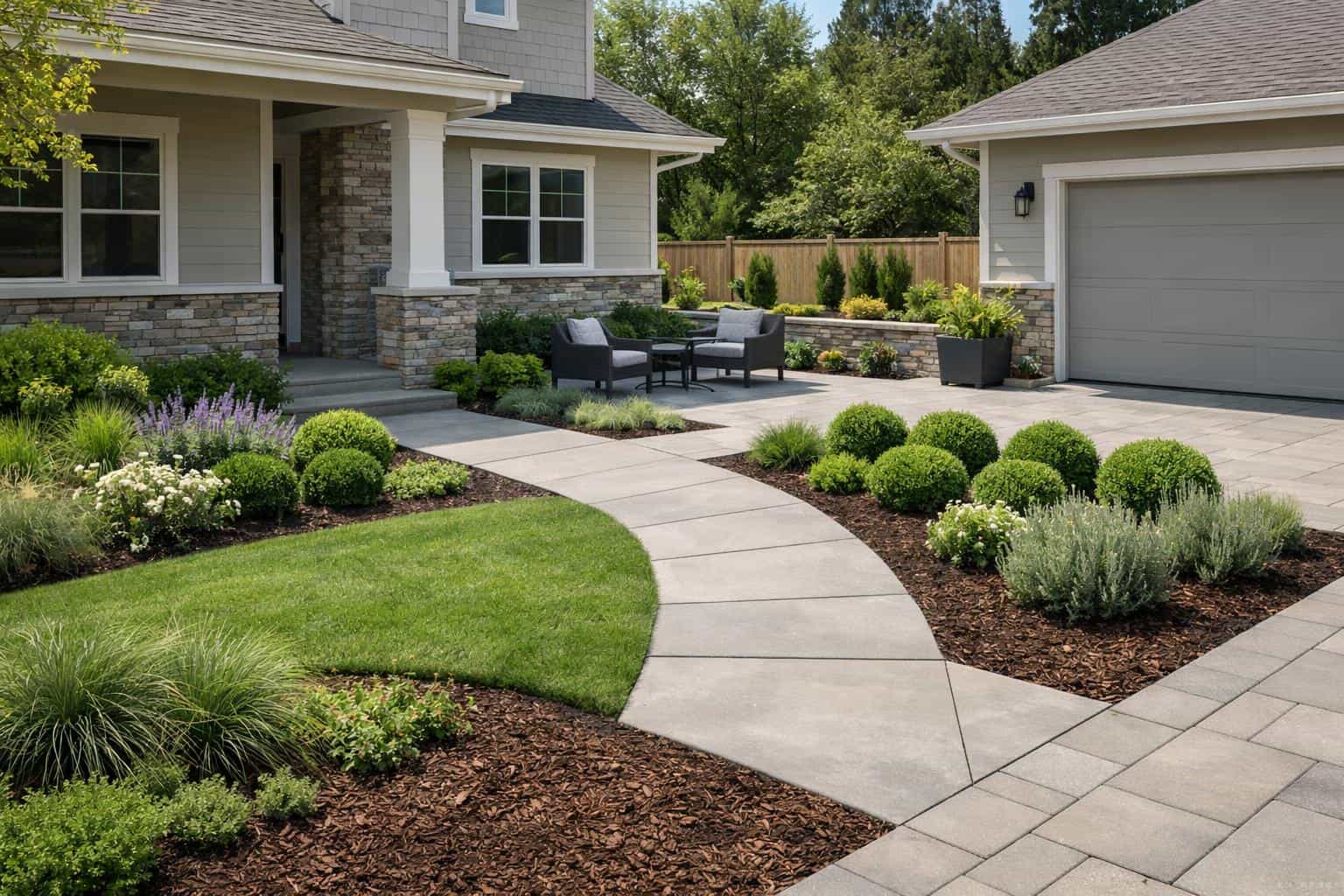
    Front Entry Landscaping Ideas Guide for Homeowners related example showing Small front yard hardscape and planting materials relevant to curb-appeal planning
    This related front yard detail helps show how site conditions and finish choices can change the homeowner's plan.

  • Low-Maintenance Front Yard Landscaping Ideas Guide

    Low-Maintenance Front Yard Landscaping Ideas Guide

    Low-maintenance front yard landscaping should still feel intentional. The goal is not to remove everything that gives the yard character. The goal is to choose materials, plantings, and layout decisions that reduce constant upkeep while keeping the front of the home attractive.

    Use simpler bed shapes and stronger plant groupings

    Complicated bed outlines often create more edging and cleanup work. Simpler shapes with repeated shrubs, grasses, or durable ground covers usually save time and still look polished.

    Reduce thirsty lawn where it is not helping

    Many front yards have more turf than they really need. Shrinking awkward lawn strips or converting hard-to-water areas into easier planting zones can reduce mowing and irrigation work while improving appearance.

    Pick materials that age cleanly

    Mulch, decorative rock, edging, and walkway surfaces all affect maintenance. Our What Makes a Landscape Material Low Maintenance Guide and Best Landscape Materials for Small Front Yards Guide are useful if you are deciding where lower-upkeep materials make the biggest difference.

    Low-Maintenance Front Yard Landscaping Ideas Guide related example showing Groundcover and hardscape materials relevant to comparing real long-term maintenance demands
    This low maintenance example gives homeowners a visual reference for comparing layout, materials, and maintenance tradeoffs before starting the project.

    Plan for mature plant size

    A front yard becomes high maintenance quickly when shrubs need constant pruning away from windows, walks, or the entry. Choosing the right size at the start is one of the most practical maintenance decisions you can make.

    What homeowners should remember

    Low-maintenance front yard ideas work best when they balance curb appeal with long-term reality. A cleaner layout, right-sized planting, and smarter material choices usually reduce work more than any single decorative product.

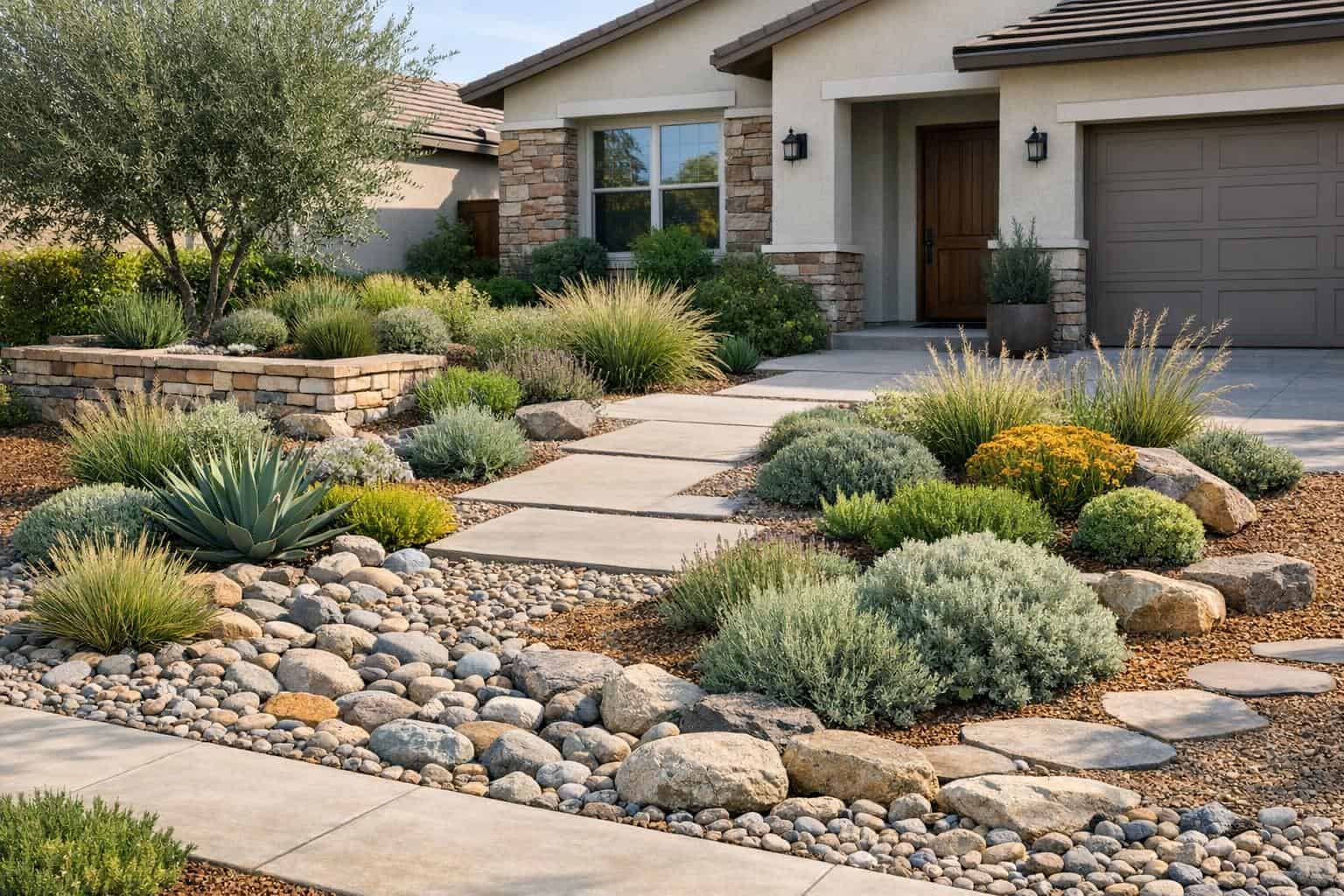
    Low-Maintenance Front Yard Landscaping Ideas Guide related example showing Low-water landscape bed materials including rock and mulch relevant to drought-conscious groundcover selection
    This related low maintenance detail helps show how site conditions and finish choices can change the homeowner's plan.

  • Backyard Patio Layout Ideas Guide for Homeowners

    Backyard Patio Layout Ideas Guide for Homeowners

    Most patio problems are layout problems before they are material problems. Homeowners often spend a lot of time debating pavers, concrete, or finish details while spending too little time deciding how the patio should actually function.

    Separate dining from lounging when possible

    If the patio is large enough, it helps to think in zones instead of one open slab. A dining zone near the house or grill area and a separate lounge zone farther out usually makes the space feel more intentional.

    Protect circulation paths

    One of the most common patio-layout mistakes is forcing people to cut through chairs, table edges, or grill clearance areas just to move across the yard. For the broader planning framework, use our Patio Installation Guide for Homeowners alongside this ideas page.

    Let the house and yard shape the patio

    The best patio layout is rarely chosen in isolation. Door location, grade change, privacy needs, sun exposure, and the path into the lawn or garden all affect the right shape and orientation.

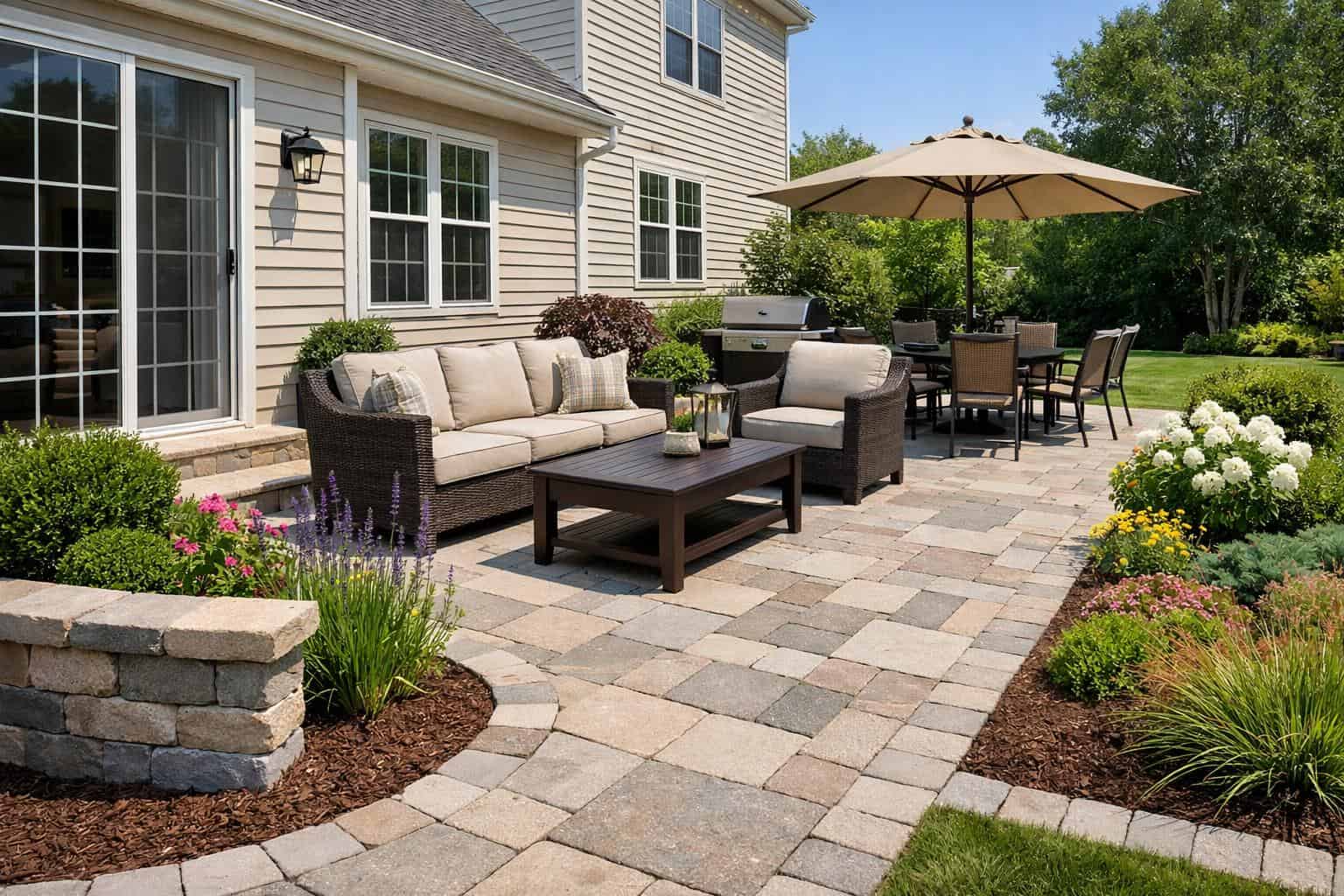
    Backyard Patio Layout Ideas Guide for Homeowners related example showing Concrete, paver, and stone outdoor surfaces showing common patio and walkway material choices for homeowners
    This patio example gives homeowners a visual reference for comparing layout, materials, and maintenance tradeoffs before starting the project.

    Plan for future add-ons

    If the patio may later connect to lighting, a fire pit, or an outdoor kitchen, leave room for those expansions in the initial layout. A slightly smarter plan now can prevent expensive rework later.

    What homeowners should remember

    A patio layout should help the yard feel easier to use. If the space has clear zones, good circulation, and room to grow, almost any finish choice will perform better.

    Backyard Patio Layout Ideas Guide for Homeowners related example showing Backyard patio comparison showing paver surface and stamped concrete surface
    This related patio detail helps show how site conditions and finish choices can change the homeowner's plan.

  • Front Yard Landscaping Ideas on a Budget Guide

    Front Yard Landscaping Ideas on a Budget Guide

    Budget front yard landscaping is usually about choosing the moves that change first impressions the fastest. You do not need to rebuild every bed or replace every material to make the front of the house feel more finished.

    Clean up the structure before adding new features

    Defined bed edges, trimmed overgrowth, fresh mulch, and a clearer path to the front door can go a long way. These are often the upgrades that make a house look better immediately, even before bigger design work starts.

    Front Yard Landscaping Ideas on a Budget Guide related example showing Front entry landscape materials relevant to choosing surfaces and finishes for a smaller yard
    This front yard example gives homeowners a visual reference for comparing layout, materials, and maintenance tradeoffs before starting the project.

    Refresh the entry area first

    If your budget only allows one zone to improve, start where people arrive. The path, porch approach, and plants around the door usually influence curb appeal more than a scattered yard-wide refresh.

    Use a smaller plant palette more intentionally

    On a tighter budget, fewer well-placed plants usually look stronger than many small filler purchases. Grouping matching shrubs or repeating one dependable perennial can make the yard feel more designed at lower cost.

    Add one finish detail that makes the yard feel complete

    That might be a sharper walkway edge, one specimen plant, a small lighting upgrade, or a cleaner mulch-and-rock strategy. The point is to give the yard a finished look rather than spreading the money too thin.

    What homeowners should remember

    Budget front-yard landscaping should improve what people notice first: order, entry clarity, maintenance, and curb appeal. Most good lower-cost upgrades are simple, visible, and easy to build on later.

    Front Yard Landscaping Ideas on a Budget Guide related example showing Small front yard hardscape and planting materials relevant to curb-appeal planning
    This related front yard detail helps show how site conditions and finish choices can change the homeowner's plan.

  • Privacy Landscaping Ideas for Small Yards Guide

    Privacy Landscaping Ideas for Small Yards Guide

    Creating privacy in a small yard is harder than it looks. The wrong screen can make the space feel boxed in, dark, or harder to maintain. The best privacy ideas for small yards use layering, selective screening, and smarter placement instead of simply trying to block every sightline at once.

    Screen the right views, not every edge

    Many small yards feel smaller because homeowners try to create full enclosure everywhere. A better approach is to identify the views that actually bother you most: the neighbor’s window, the side-yard line, the patio seating angle, or the pool-equipment zone. Then build privacy around those priorities first.

    Privacy Landscaping Ideas for Small Yards Guide related example showing Layered privacy landscaping with screening plants, mulch beds, and fence-line layout detail
    This privacy example gives homeowners a visual reference for comparing layout, materials, and maintenance tradeoffs before starting the project.

    Use plant layers instead of one solid wall

    A layered combination of taller screening plants, mid-height shrubs, and lower foreground planting often feels softer than one tight hedge. It also gives you more flexibility if one area grows slower than expected.

    Keep mature size and maintenance in the plan

    Small-yard privacy planting fails when the screen outgrows the available depth or blocks airflow and light. Our Privacy Landscaping Guide for Homeowners is helpful if you are still deciding between hedge planting, trees, or mixed screening.

    Privacy Landscaping Ideas for Small Yards Guide related example showing Residential privacy landscaping scene with layered screening plants, planting beds, and fence line context
    This related privacy detail helps show how site conditions and finish choices can change the homeowner's plan.

    Pair privacy with usable space

    Privacy works best when it supports the part of the yard you actually use. That could mean screening a seating nook, dining zone, or hot-tub area instead of the entire perimeter. This makes the project feel more intentional and usually more affordable.

    What homeowners should remember

    In a small yard, privacy landscaping should protect comfort without making the space feel crowded. The best plan usually gives you selective enclosure and a better sense of structure at the same time.


  • Sloped Yard Landscaping Ideas Guide for Homeowners

    Sloped Yard Landscaping Ideas Guide for Homeowners

    Sloped yards need more than cosmetic ideas. The best slope-friendly landscape plans balance beauty with drainage, stability, circulation, and maintenance. Before you think about finishes, you need to understand how water moves and what kind of access the yard needs.

    Terrace only where it creates real function

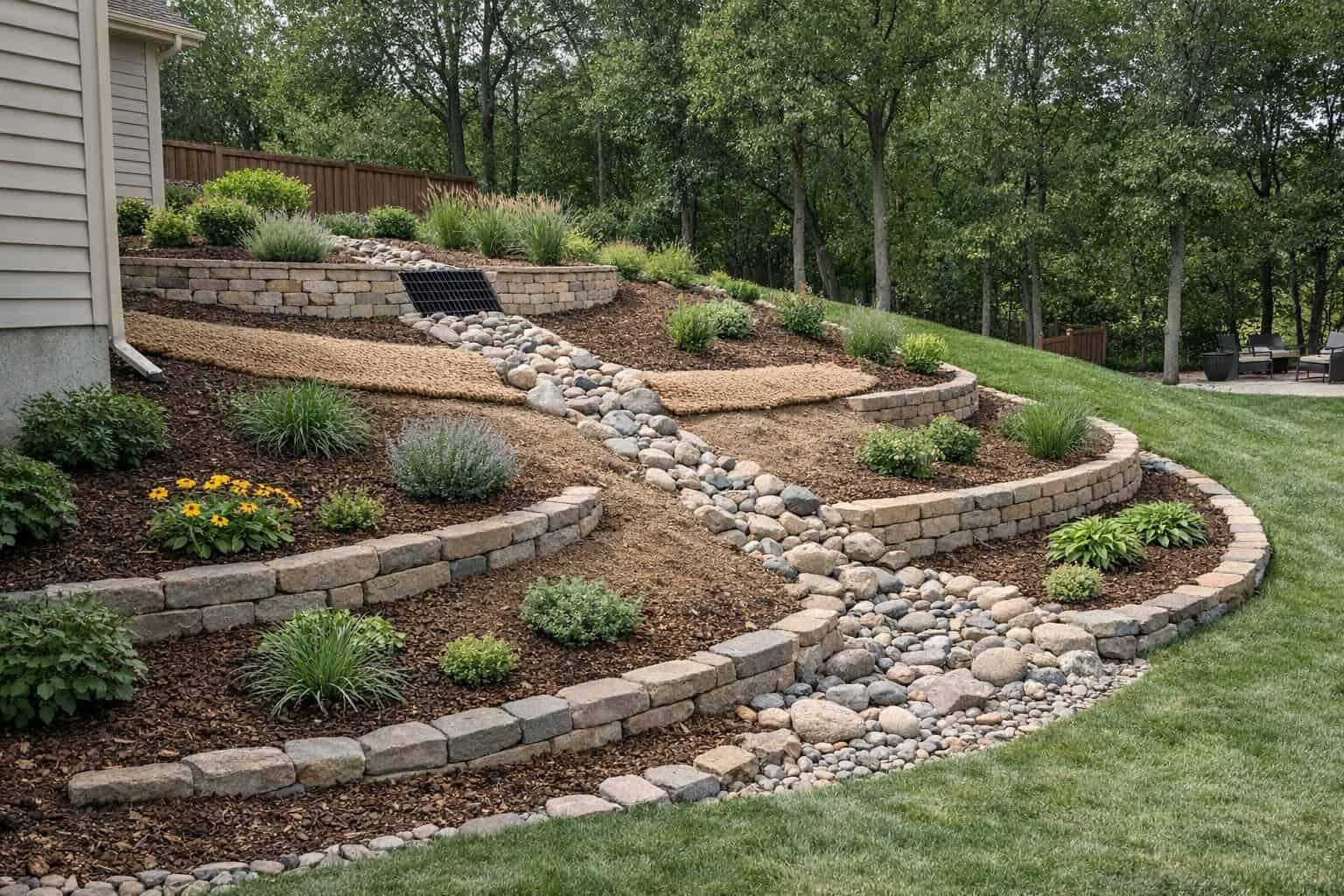
    Not every slope needs multiple retaining walls or a full terraced redesign. Sometimes one level gathering area, one stabilized walkway, or one strategically placed wall solves the real problem. If you are evaluating structural changes, see the Retaining Wall Guide for Homeowners before choosing materials.

    Sloped Yard Landscaping Ideas Guide for Homeowners related example showing Landscape beds and groundcover materials relevant to homeowner quantity planning for mulch, soil, and decorative rock
    This materials example gives homeowners a visual reference for comparing layout, materials, and maintenance tradeoffs before starting the project.

    Planting matters more on slopes than in flat yards

    Root structure, coverage, and maintenance all matter on a slope. A planting plan for a hill should help hold soil, slow runoff, and reduce bare exposed areas. The Erosion Control Guide for Homeowners can help you think through which parts of the slope need more than just a decorative refresh.

    Sloped Yard Landscaping Ideas Guide for Homeowners related example showing Landscape beds and groundcover materials relevant to homeowner quantity planning for mulch, soil, and decorative rock
    This related materials detail helps show how site conditions and finish choices can change the homeowner's plan.

    Circulation should feel safe and obvious

    If people need to move through the yard, the path route should be planned early. On slopes, walkway width, stepping rhythm, and lighting matter more because missteps are more likely. This is especially important when the slope connects the driveway, front entry, or backyard entertaining space.

    Separate the view goal from the maintenance reality

    Some slopes look great in fresh photos but become difficult to weed, trim, irrigate, or access later. Homeowners should always ask whether the idea still makes sense after the first season of growth and cleanup.

    What homeowners should remember

    The best sloped-yard ideas are usually the ones that make the site safer, more stable, and easier to use before they try to make it more elaborate.