Landscaping Guru

  • What to Expect During a Planting and Garden Bed Project Guide

    What to Expect During a Planting and Garden Bed Project Guide

    Planting and garden bed projects often feel less linear than homeowners expect because the work includes preparation, delivery, placement, and finishing across several moving parts. Beds may look bare or overworked in the middle of the project, plant material may be staged on-site before installation, and mulch or cleanup may happen later than the homeowner assumed.

    That temporary mess is often part of a normal installation sequence, not a sign that the project is going badly.

    Planting detail relevant to project expectations, bed preparation, and finish work
    Planting projects often move from clearing and bed prep into plant staging, installation, mulch, irrigation tweaks, and final cleanup.

    Bed preparation can look rough before it looks better

    Clearing, reshaping, edging, soil improvement, and irrigation adjustments often happen before the plants go in. During that stage, the space may look less finished than it did when the project started.

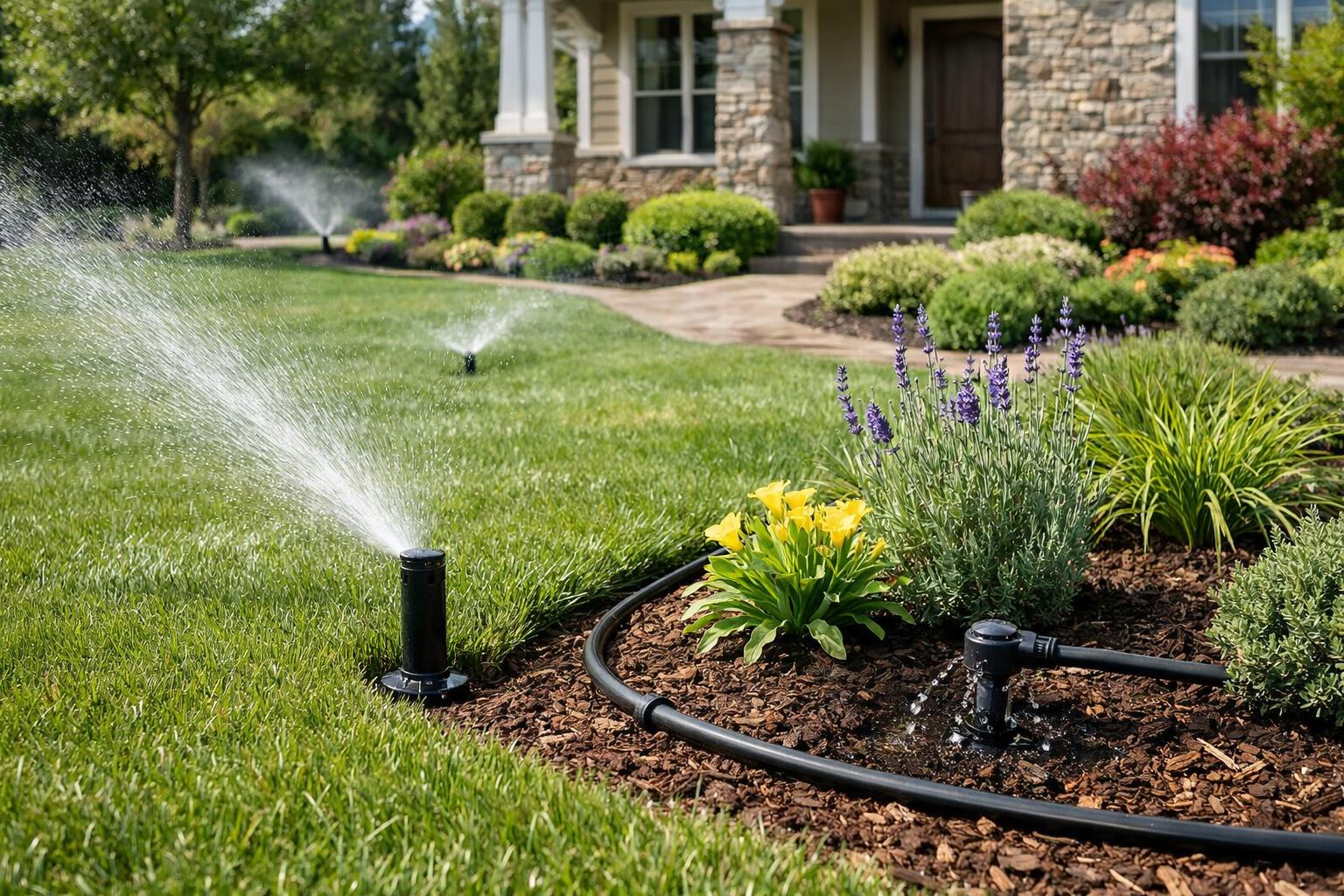
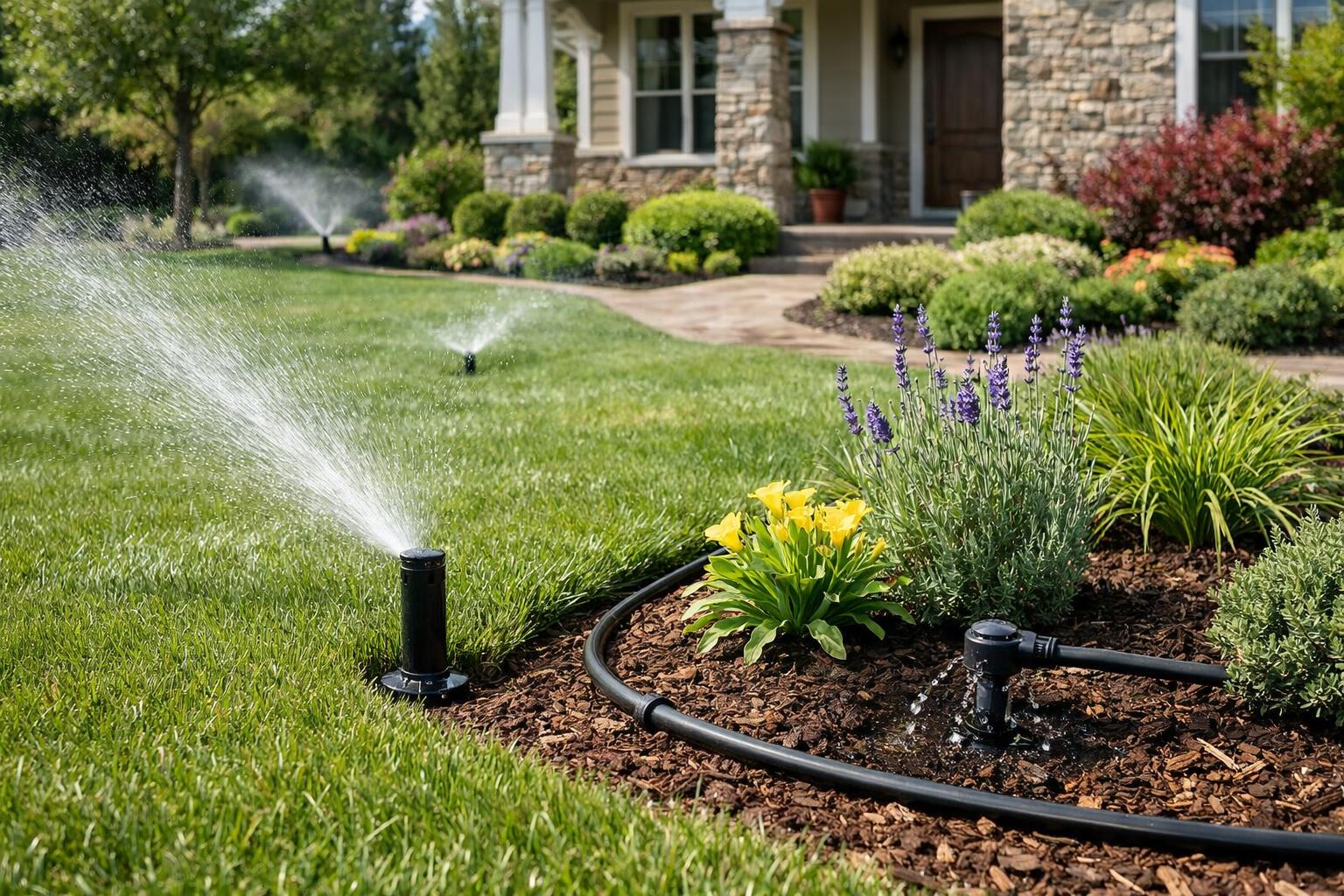
    What to Expect During a Planting and Garden Bed Project Guide related example showing Attractive residential front yard with walkway, planting beds, lawn, and curb appeal landscaping
    This front yard example gives homeowners a visual reference for comparing layout, materials, and maintenance tradeoffs before starting the project.

    Delivery and finishing phases often overlap

    Plant staging, placement, mulch, cleanup, and fine adjustments may happen in overlapping waves instead of a clean step-by-step order. On larger jobs, one section of the yard may be finishing while another is still being prepared.

    Use quote and timeline guides to frame expectations

    The planting quote guide, planting timeline guide, and planting service guide help homeowners understand the on-site process more clearly.


  • What to Expect During a Sod Installation Project Guide

    What to Expect During a Sod Installation Project Guide

    Sod projects often transform the yard quickly at the end, but the early part of the job can look rougher than homeowners expect. Old lawn removal, grading, soil preparation, irrigation checks, and access for material delivery all happen before the finished lawn appears. That does not mean the project is off track. It usually means the crew is building the foundation for better results.

    Homeowners usually feel better about the process when they know the yard may look less finished before it starts looking dramatically better.

    Sod installation detail relevant to project expectations, soil preparation, and early care
    Sod projects often move from removal and grading into soil prep, irrigation checks, sod placement, rolling, and early care guidance for the homeowner.

    Preparation often creates the most disruption

    Crews may remove old turf, reshape the area, bring in soil, adjust sprinklers, and prepare the surface before the sod arrives. This stage can feel messy, but it is often the most important part of the job.

    What to Expect During a Sod Installation Project Guide related example showing Sod installation detail relevant to soil preparation, grading, irrigation, and quote comparison for homeowners
    This lawn example gives homeowners a visual reference for comparing layout, materials, and maintenance tradeoffs before starting the project.

    Installation is fast, but follow-through still matters

    Once the sod is down, the project can look nearly complete, but watering guidance, seam checks, rolling, and early establishment habits still matter. Homeowners should expect a handoff period rather than a simple instant finish.

    Use quote and timeline guides to judge the process

    The sod quote guide, sod timeline guide, and sod service guide help homeowners connect what they see on-site to the promised scope.


  • What to Expect During a Walkway and Pathway Project Guide

    What to Expect During a Walkway and Pathway Project Guide

    Walkway and pathway projects often affect how homeowners move through the yard while the work is happening. Demolition, excavation, base preparation, paving, and edge detail can all temporarily change access and make the site feel rougher than the finished result suggests. That is normal for a good installation.

    Homeowners usually feel more comfortable with the project when they know the messy preparation phase is often where long-term performance gets decided.

    Walkway construction detail relevant to project expectations, excavation, and finish work
    Walkway projects often move through demolition, excavation, base compaction, paving, edge detail, and restoration around the finished path.

    Preparation often feels bigger than the finished path

    Crews may remove old surfaces, reshape grades, haul material, and compact base layers before the new path looks close to finished. The site may feel more disrupted during this phase than homeowners expected.

    Finish detail matters at the end

    Edge restraint, cuts, transitions, cleanup, and restoration around the walkway usually come after the main surface is placed. Those final steps are often what make the project feel complete.

    What to Expect During a Walkway and Pathway Project Guide related example showing Front entry walkway with edging, planting beds, and material detail relevant to pathway cost planning
    This walkway example gives homeowners a visual reference for comparing layout, materials, and maintenance tradeoffs before starting the project.

    Use quote and timeline guides to frame expectations

    The walkway quote guide, walkway timeline guide, and walkway service guide help homeowners understand what they are seeing during the project.


  • What to Expect During a Landscape Lighting Project Guide

    What to Expect During a Landscape Lighting Project Guide

    Landscape lighting projects often feel cleaner and less disruptive than major hardscape jobs, but homeowners should still expect layout decisions, buried wire paths, fixture staging, and nighttime adjustment to shape the process. The project may move quickly, yet the final look usually depends on more than a simple one-day install.

    Knowing what happens on-site helps homeowners judge progress more realistically and avoid assuming the job is “done” before final aiming happens.

    Landscape lighting detail relevant to project expectations, wire routing, and nighttime adjustment
    Lighting projects often move from layout and fixture placement into wire work, installation, testing, and evening adjustment before the final effect is dialed in.

    Daytime work usually focuses on layout and installation

    Crews may walk the property, confirm fixture locations, route wire, install transformers, and set fixtures before the final look becomes obvious. During this phase, the property can feel unfinished even though the project is moving correctly.

    What to Expect During a Landscape Lighting Project Guide related example showing Landscape lighting detail relevant to fixture placement, wiring scope, and quote comparison for homeowners
    This lighting example gives homeowners a visual reference for comparing layout, materials, and maintenance tradeoffs before starting the project.

    Final aiming often happens later than expected

    Many homeowners do not realize that nighttime adjustment is a normal part of landscape lighting. Fine-tuning brightness, direction, and balance may happen after the main hardware is already in place.

    Use quote and timeline guides to judge the process

    The lighting quote guide, lighting timeline guide, and lighting service guide help homeowners compare the on-site process to the promised scope.


  • Signs Your Erosion Control Work Needs Attention Guide

    Signs Your Erosion Control Work Needs Attention Guide

    Erosion control work rarely announces trouble all at once. More often, homeowners start noticing small changes after storms or seasonal shifts: a little exposed soil, runoff moving differently, drainage outlets acting strangely, planted areas struggling, or parts of the slope looking less stable than before. These are often early signs that the treatment area needs attention.

    Catching those changes early is usually much easier than waiting until the slope looks obviously damaged again.

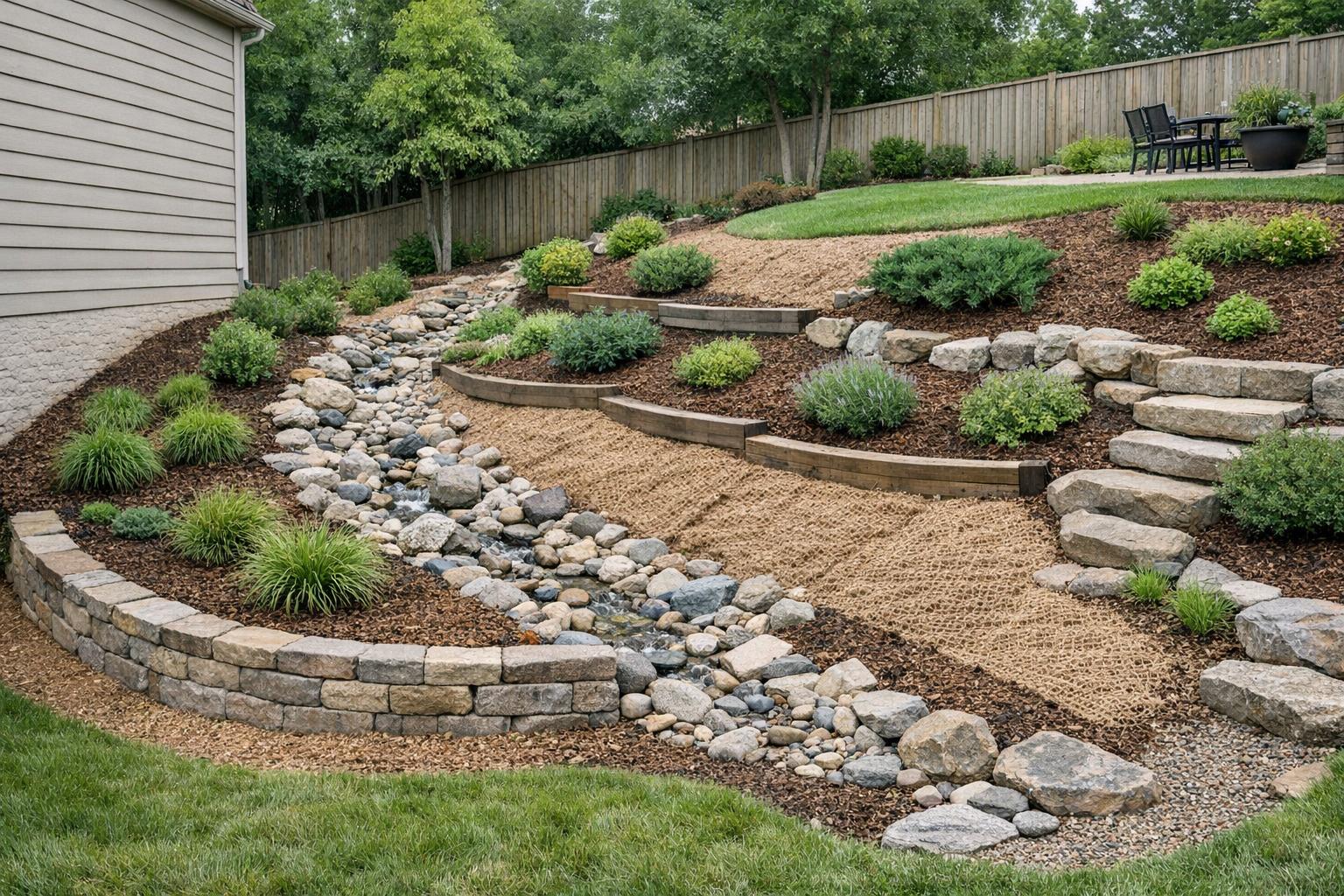
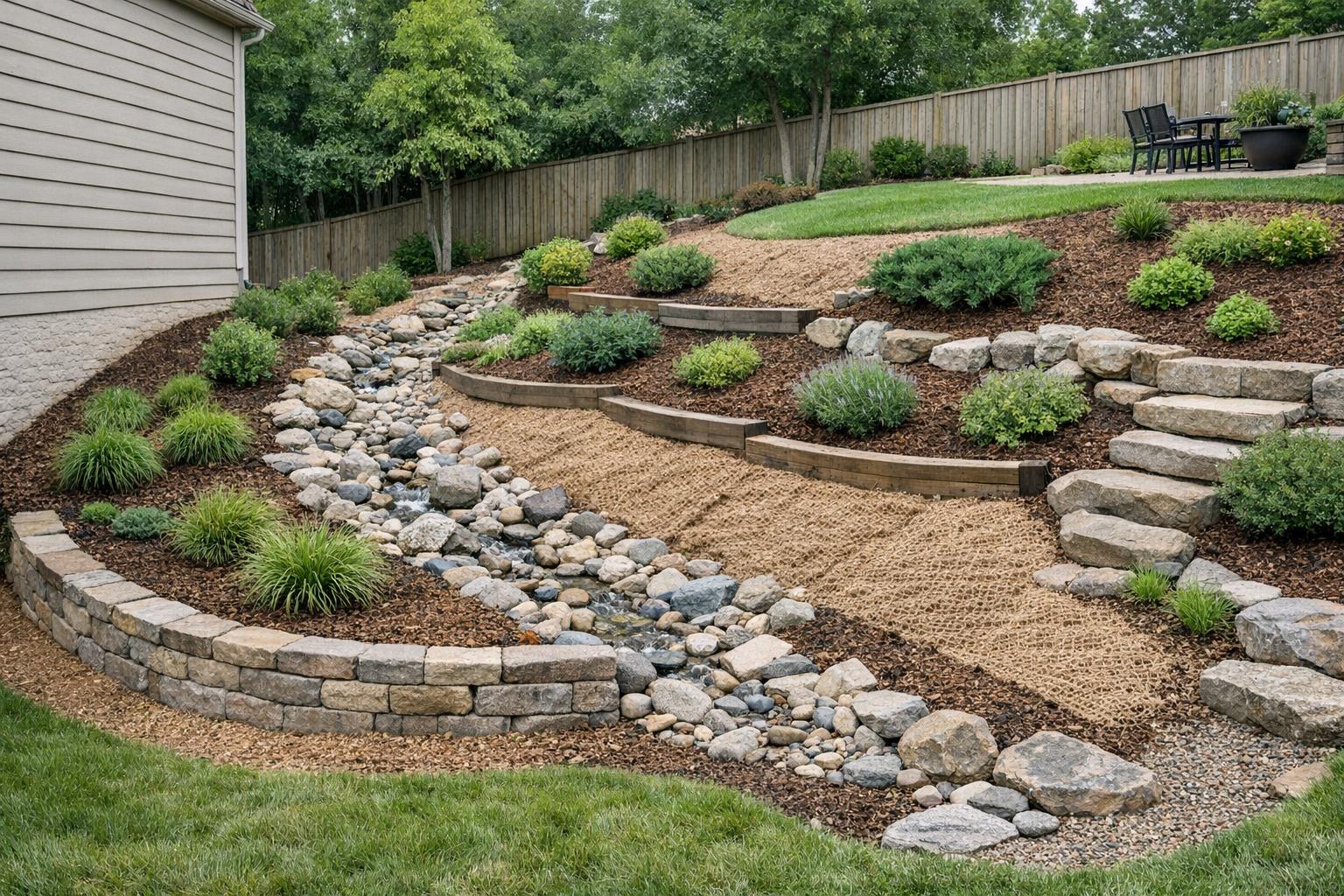
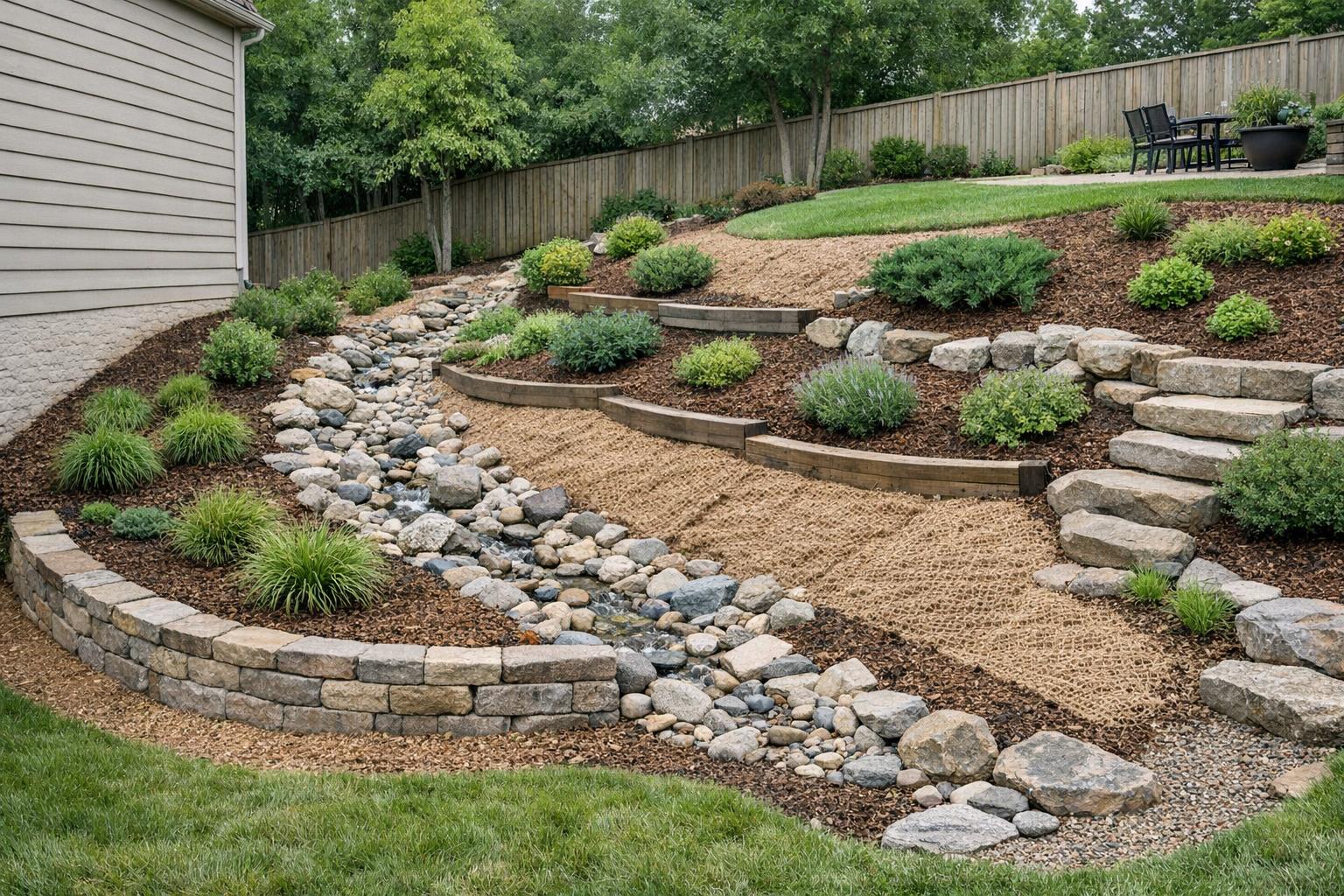
    Slope stabilization detail relevant to runoff changes, exposed soil, and warning signs for homeowners
    Erosion-control issues often reappear gradually through runoff patterns, exposed areas, movement, or planted sections that stop establishing the way they should.

    Water movement tells an important story

    New runoff paths, overflow, pooling, exposed soil, rock movement, and washed-out material can all indicate that the treatment is under stress or that conditions around it have changed since installation.

    Signs Your Erosion Control Work Needs Attention Guide related example showing Landscape beds and groundcover materials relevant to homeowner quantity planning for mulch, soil, and decorative rock
    This materials example gives homeowners a visual reference for comparing layout, materials, and maintenance tradeoffs before starting the project.

    Planting and stabilization elements should be watched together

    If planted areas fail, matting shifts, drainage outlets clog, or the slope begins to settle unevenly, the whole control plan may need review. The issue is often the interaction between several elements, not one product alone.

    Use monitoring and planning guides to judge urgency

    The erosion control maintenance guide, erosion control quote guide, and erosion control planning mistakes guide help homeowners decide whether the treatment needs small corrections or a deeper review.


  • Signs Your Privacy Landscaping Needs Attention Guide

    Signs Your Privacy Landscaping Needs Attention Guide

    Privacy landscaping usually changes slowly, which makes it easy for homeowners to miss early warning signs. A screen that once felt dense may start thinning, growing unevenly, or losing the look and function it was supposed to provide. Watering issues, plant stress, gaps, and layout problems often show up gradually before they feel urgent.

    Noticing those small changes early gives homeowners more options than waiting until large sections of the screen are struggling.

    Privacy planting detail relevant to thinning screens, plant stress, and warning signs for homeowners
    Many privacy-landscaping issues begin as subtle thinning, stressed plants, or uneven growth patterns that reduce screening quality over time.

    Growth patterns often reveal the problem first

    Uneven density, weak fill-in, visible gaps, and plants that are outgrowing their intended role can all signal that the screen needs pruning changes, irrigation help, replacement plants, or a broader upgrade.

    Health and function should be judged together

    Plants can be technically alive but no longer screening well, and a layout can still look planted without delivering the privacy the homeowner wants. That is why performance and plant health should be evaluated together.

    Signs Your Privacy Landscaping Needs Attention Guide related example showing Layered privacy landscaping with screening plants, mulch beds, and fence-line layout detail
    This privacy example gives homeowners a visual reference for comparing layout, materials, and maintenance tradeoffs before starting the project.

    Use maintenance and planning guides to decide next steps

    The privacy landscaping maintenance guide, privacy landscaping quote guide, and privacy landscaping planning mistakes guide help homeowners decide whether the screen needs better care, selective repair, or a broader reset.


  • Signs Your Artificial Turf Needs Attention Guide for Homeowners

    Signs Your Artificial Turf Needs Attention Guide for Homeowners

    Artificial turf usually gives homeowners warning signs before a bigger repair becomes necessary. Drainage changes, odor buildup, seam movement, flattened traffic patterns, and loose edges can all indicate that the surface needs more than routine cleaning. Some issues are minor. Others suggest the installation below the surface is starting to show itself.

    Spotting these changes early can make the difference between a small correction and a more expensive reset.

    Artificial turf detail relevant to seam, edge, and drainage warning signs for homeowners
    Turf problems often start subtly with flattening, odor, drainage changes, or small seam and edge issues before homeowners think of them as repairs.

    Surface changes often point to deeper issues

    Flattening, pooling water, shifting seams, loose edges, and uneven traffic areas may reflect problems with infill, base support, drainage, or how the turf is being used. These changes are easier to judge when they are still localized.

    Cleaning problems can become performance problems

    Persistent odor, debris buildup, pet-area issues, or a surface that no longer feels clean even after maintenance may indicate deeper wear or drainage trouble rather than just a missed cleaning cycle.

    Signs Your Artificial Turf Needs Attention Guide for Homeowners related example showing Lawn detail relevant to thinning, irrigation stress, and warning signs
    This lawn example gives homeowners a visual reference for comparing layout, materials, and maintenance tradeoffs before starting the project.

    Use maintenance and installation guides to judge severity

    The artificial turf maintenance guide, artificial turf quote guide, and artificial turf planning mistakes guide help homeowners decide whether the issue calls for maintenance, repair, or a more serious fix.


  • Signs Your Fire Pit Needs Repair or an Upgrade Guide

    Signs Your Fire Pit Needs Repair or an Upgrade Guide

    Fire pits do not always fail in dramatic ways. More often, homeowners start noticing small issues that make the feature less enjoyable or less dependable over time. Surface wear, burner problems, drainage trouble, loose caps, or an awkward seating layout can all be signs that the fire pit needs repair, adjustment, or a broader upgrade.

    Recognizing the difference between normal wear and a problem worth addressing helps homeowners spend money more wisely.

    Fire pit detail relevant to repair signs, wear, and upgrade decisions for homeowners
    Many fire pit problems show up as small cracks, loose pieces, poor flame performance, or a layout that no longer feels comfortable or complete.

    Surface and structural wear should not be ignored

    Cracks, loose caps, settling, staining, and movement in surrounding hardscape can all signal that the feature or the area around it needs attention. These issues are often easier to correct before they spread.

    Function and comfort problems matter too

    Poor flame performance, ignition issues, smoke frustration, awkward seating distances, and a space that no longer fits how the yard is used can all point to an upgrade rather than a simple repair.

    Use maintenance and planning guides to judge next steps

    The fire pit maintenance guide, fire pit quote guide, and fire pit planning mistakes guide help homeowners decide whether the feature needs repair, replacement, or a smarter redesign.

    Signs Your Fire Pit Needs Repair or an Upgrade Guide related example showing Landscape beds and groundcover materials relevant to homeowner quantity planning for mulch, soil, and decorative rock
    This materials example gives homeowners a visual reference for comparing layout, materials, and maintenance tradeoffs before starting the project.

  • Erosion Control Maintenance and Monitoring Guide for Homeowners

    Erosion Control Maintenance and Monitoring Guide for Homeowners

    Erosion control projects often need ongoing observation after installation because the first heavy rain, irrigation cycle, or seasonal shift can reveal how well the treatment is actually performing. That does not mean the project is failing. It means homeowners should expect to monitor runoff, planted material, slope condition, and drainage features for a while after the initial work is done.

    The best maintenance approach is usually steady observation and early correction, not waiting until visible damage becomes severe again.

    Slope stabilization detail relevant to runoff monitoring and maintenance for homeowners
    Good erosion-control maintenance usually means monitoring water movement, checking stabilization materials, watching planted areas, and addressing small changes early.

    Runoff patterns should be watched after storms and seasonal shifts

    Water flow, exposed soil, rock movement, settling, or drainage overflow can all signal that part of the treatment needs attention. These changes are easier to address while they are still small.

    Planting and stabilization materials need follow-up

    Mulch, matting, planted areas, drainage outlets, and other stabilization elements may shift or struggle if conditions change. Monitoring them helps homeowners understand whether the system is establishing properly.

    Erosion Control Maintenance and Monitoring Guide for Homeowners related example showing Groundcover and hardscape materials relevant to comparing real long-term maintenance demands
    This low maintenance example gives homeowners a visual reference for comparing layout, materials, and maintenance tradeoffs before starting the project.

    Good monitoring starts with a realistic treatment plan

    The erosion control expectations guide, erosion control planning mistakes guide, and erosion control guide help homeowners understand what they should be monitoring over time.


  • Privacy Landscaping Maintenance Guide for Homeowners

    Privacy Landscaping Maintenance Guide for Homeowners

    Privacy landscaping often looks easiest to maintain after the installation is finished, but long-term results depend on what happens in the seasons that follow. Watering consistency, pruning habits, plant health, gap management, and irrigation support all affect whether the screen becomes fuller or starts to thin out unevenly.

    Many privacy screens struggle not because the original plan was poor, but because early maintenance habits do not match how the plants are expected to establish and grow.

    Privacy planting detail relevant to watering, pruning, and maintenance for homeowners
    Privacy screens often need the most maintenance around watering consistency, early pruning decisions, gap management, and seasonal monitoring.

    Watering and growth management matter early

    Newly installed screening plants often need more consistent support than homeowners expect. Watering patterns, irrigation adjustments, and watching for early stress can make a major difference in how evenly the screen fills in.

    Pruning discipline and gap management matter later

    Over-pruning, neglect, or ignoring weak spots in the screen can create thin areas that take a long time to correct. Seasonal checks help homeowners catch those issues before the privacy line loses density.

    Maintenance works best when it follows the original strategy

    The privacy landscaping expectations guide, privacy landscaping planning mistakes guide, and privacy landscaping guide help homeowners understand how to maintain the screen they actually built.

    Privacy Landscaping Maintenance Guide for Homeowners related example showing Layered privacy landscaping with screening plants, mulch beds, and fence-line layout detail
    This privacy example gives homeowners a visual reference for comparing layout, materials, and maintenance tradeoffs before starting the project.