Landscaping Guru

  • Artificial Turf Maintenance Guide for Homeowners

    Artificial Turf Maintenance Guide for Homeowners

    Artificial turf can reduce mowing and watering, but it does not become maintenance-free after installation. Debris, pet use, traffic patterns, odor buildup, infill movement, and seam or edge wear still affect how the surface looks and performs. Homeowners who know what routine care actually involves usually stay happier with the investment.

    The goal is not constant upkeep. It is light, consistent maintenance that keeps the turf looking cleaner and performing more predictably over time.

    Artificial turf detail relevant to brushing, cleaning, and edge maintenance for homeowners
    Good turf maintenance usually includes debris removal, brushing traffic patterns, rinsing pet areas, and checking seams or edges before small issues grow.

    Routine cleaning and brushing go a long way

    Leaves, dirt, pet waste, and heavy-use areas can all change the way turf looks. Periodic rinsing, debris removal, and brushing traffic patterns help the surface stay more even and presentable.

    Seams, edges, and odor issues deserve early attention

    Small seam shifts, loose edges, drainage issues, or odor buildup are easier to address early than after they affect a larger section of the yard. Pet areas and shaded zones often need the most attention.

    Good maintenance starts with a realistic installation plan

    The artificial turf expectations guide, artificial turf planning mistakes guide, and artificial turf installation guide help homeowners understand why certain maintenance issues show up later.

    Artificial Turf Maintenance Guide for Homeowners related example showing Groundcover and hardscape materials relevant to comparing real long-term maintenance demands
    This low maintenance example gives homeowners a visual reference for comparing layout, materials, and maintenance tradeoffs before starting the project.

  • Fire Pit Maintenance Guide for Homeowners

    Fire Pit Maintenance Guide for Homeowners

    Fire pits usually stay attractive longer when homeowners treat them like part of the overall outdoor-living area instead of a feature that can be ignored between uses. The right maintenance depends on whether the pit burns gas or wood, what surface materials surround it, and how exposed the area is to moisture, ash, leaves, and seasonal weather.

    Most routine upkeep is straightforward, but small issues are easier to address early than after staining, cracking, or component wear builds up.

    Fire pit detail relevant to cleaning, surface checks, and seasonal maintenance for homeowners
    Routine fire pit maintenance usually includes cleaning, checking surrounding hardscape, managing ash or burner areas, and preparing the feature for seasonal use.

    Cleaning habits matter more than most homeowners expect

    Ash, soot, leaves, moisture, and food or drink residue from nearby seating areas can all affect how the feature looks and performs. Regular cleanup helps protect both the fire element and the surrounding patio or seating surfaces.

    Seasonal checks help prevent bigger repair bills

    Surface wear, loose caps, burner issues, drainage problems, and winter exposure are all worth monitoring. Gas features may also need periodic attention to ignition or burner components, while wood-burning pits often need more ash and moisture management.

    Use planning and process guides to protect the investment

    The fire pit expectations guide, fire pit planning mistakes guide, and fire pit installation guide help homeowners understand why certain maintenance issues show up over time.

    Fire Pit Maintenance Guide for Homeowners related example showing Groundcover and hardscape materials relevant to comparing real long-term maintenance demands
    This low maintenance example gives homeowners a visual reference for comparing layout, materials, and maintenance tradeoffs before starting the project.

  • Erosion Control Planning Mistakes Homeowners Should Avoid Guide

    Erosion Control Planning Mistakes Homeowners Should Avoid Guide

    Erosion control projects often go wrong when the visible symptom becomes the whole conversation. Homeowners may focus on exposed soil, washed-out mulch, or a bare slope while the real problem is runoff source, drainage concentration, or instability higher up the site. Choosing materials before understanding the cause can lock the project into a weak solution.

    The most common erosion-control mistakes come from treating symptoms without building a complete stabilization plan.

    Slope stabilization detail relevant to runoff diagnosis and planning mistakes for homeowners
    Many erosion-control problems get worse when the plan focuses on covering exposed soil without first addressing runoff source, slope behavior, and stabilization method.

    Runoff source and slope behavior are often underdiagnosed

    If the plan does not identify where water is coming from, how it is moving, and why the slope is failing, even expensive stabilization materials may underperform. Diagnosis matters before product choice.

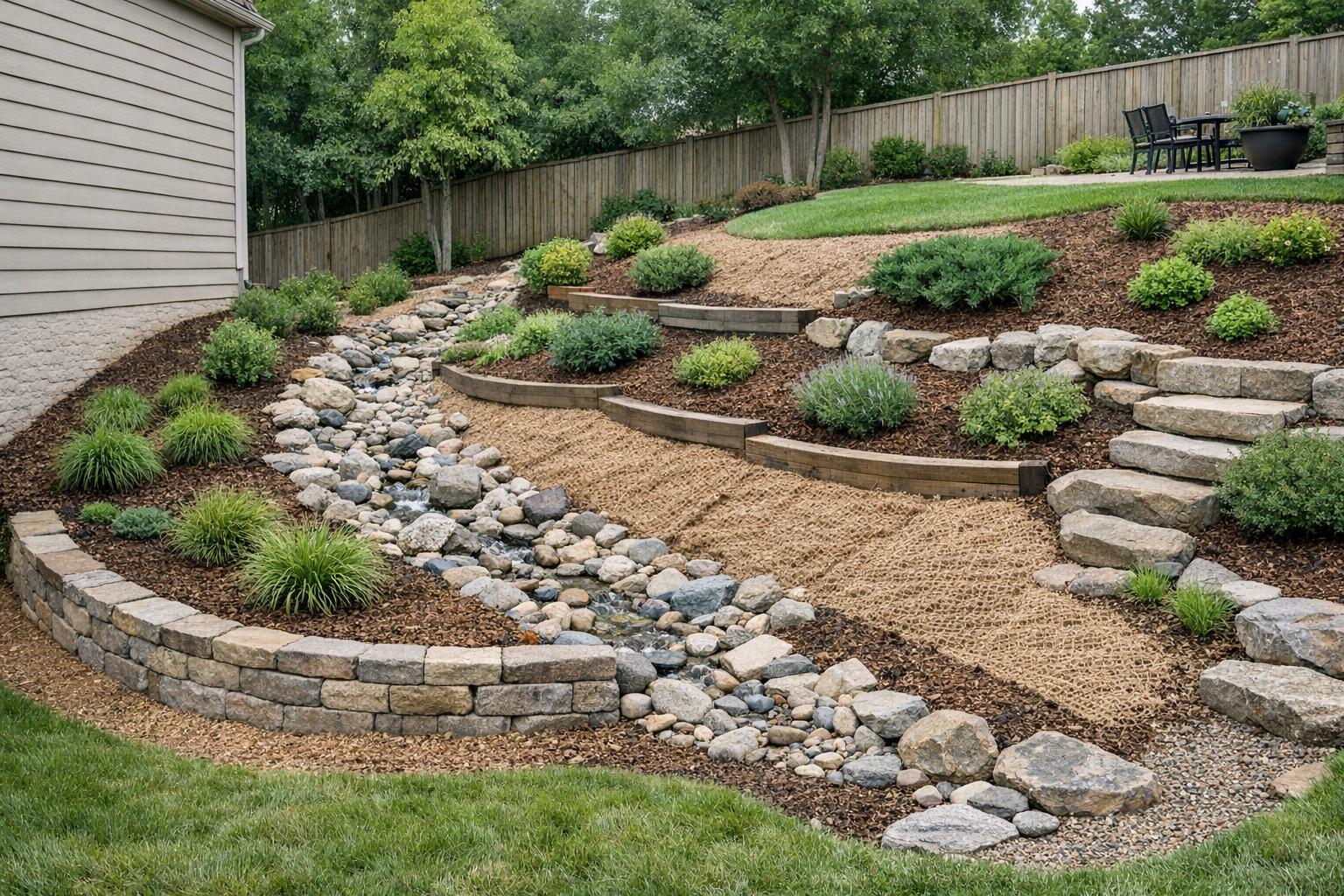
    Erosion Control Planning Mistakes Homeowners Should Avoid Guide related example showing Landscape beds and groundcover materials relevant to homeowner quantity planning for mulch, soil, and decorative rock
    This materials example gives homeowners a visual reference for comparing layout, materials, and maintenance tradeoffs before starting the project.

    Material choice without strategy leads to rework

    Rock, matting, planting, drainage, retaining elements, and regrading all have their place, but choosing them in isolation can leave the project incomplete. Homeowners benefit when the quote explains how each step fits the broader control plan.

    Use scope, timeline, and process guides to stress-test the plan

    The erosion control quote guide, erosion control timeline guide, and erosion control expectations guide help homeowners catch these planning mistakes before the crew starts.


  • Privacy Landscaping Planning Mistakes Homeowners Should Avoid Guide

    Privacy Landscaping Planning Mistakes Homeowners Should Avoid Guide

    Privacy landscaping projects often fall short because homeowners and contractors are not solving the same problem on paper. Some plans aim for quick visual screening, others for long-term layered privacy, and others for a softer border with partial screening. If the goal is vague, plant sizes, spacing, and budget decisions can drift in the wrong direction quickly.

    The biggest privacy-landscaping mistakes usually come from treating the plant list as the strategy instead of deciding what the screen is actually supposed to do.

    Privacy planting detail relevant to screening strategy, spacing, and planning mistakes for homeowners
    Many privacy-landscaping problems come from choosing plants or spacing for price alone instead of matching the screening goal, growth pattern, and site conditions.

    Weak screening strategy leads to disappointing results

    Choosing plants without deciding whether the goal is year-round privacy, seasonal softness, vertical screening, or a layered buffer can leave the yard feeling less private even after the job is complete.

    Spacing, irrigation, and growth assumptions matter

    Undersized plant material, overly wide spacing, missing irrigation support, and unrealistic expectations about how fast the screen will fill in all create frustration that could have been discussed earlier.

    Privacy Landscaping Planning Mistakes Homeowners Should Avoid Guide related example showing Layered privacy landscaping with screening plants, mulch beds, and fence-line layout detail
    This privacy example gives homeowners a visual reference for comparing layout, materials, and maintenance tradeoffs before starting the project.

    Pressure-test the plan with scope and timing guides

    The privacy landscaping quote guide, privacy landscaping timeline guide, and privacy landscaping expectations guide help homeowners catch these planning mistakes before installation starts.


  • Artificial Turf Planning Mistakes Homeowners Should Avoid Guide

    Artificial Turf Planning Mistakes Homeowners Should Avoid Guide

    Artificial turf projects often disappoint homeowners when the planning focuses too heavily on the finished green surface and not enough on what happens underneath. Drainage, grade correction, base depth, seam placement, infill, and edge detail all affect how the yard performs. Weak choices early in the project can create odor, drainage issues, movement, or a less convincing finished look.

    The most expensive mistakes usually come from oversimplifying the system instead of treating it like a real installation assembly.

    Artificial turf detail relevant to drainage, base depth, and planning mistakes for homeowners
    Many turf problems come from early choices about drainage, base preparation, seams, infill, and edge detail rather than the turf product alone.

    Drainage and base prep are often underestimated

    Homeowners sometimes compare turf options without asking enough about drainage, removal scope, compaction, and grade correction. Those elements often matter more than the visible product specification.

    Seams, edges, and maintenance expectations get glossed over

    Seam lines, transitions into patios or planting beds, pet use, heat expectations, and the actual maintenance routine should all be discussed before installation. Skipping those conversations leads to preventable frustration later.

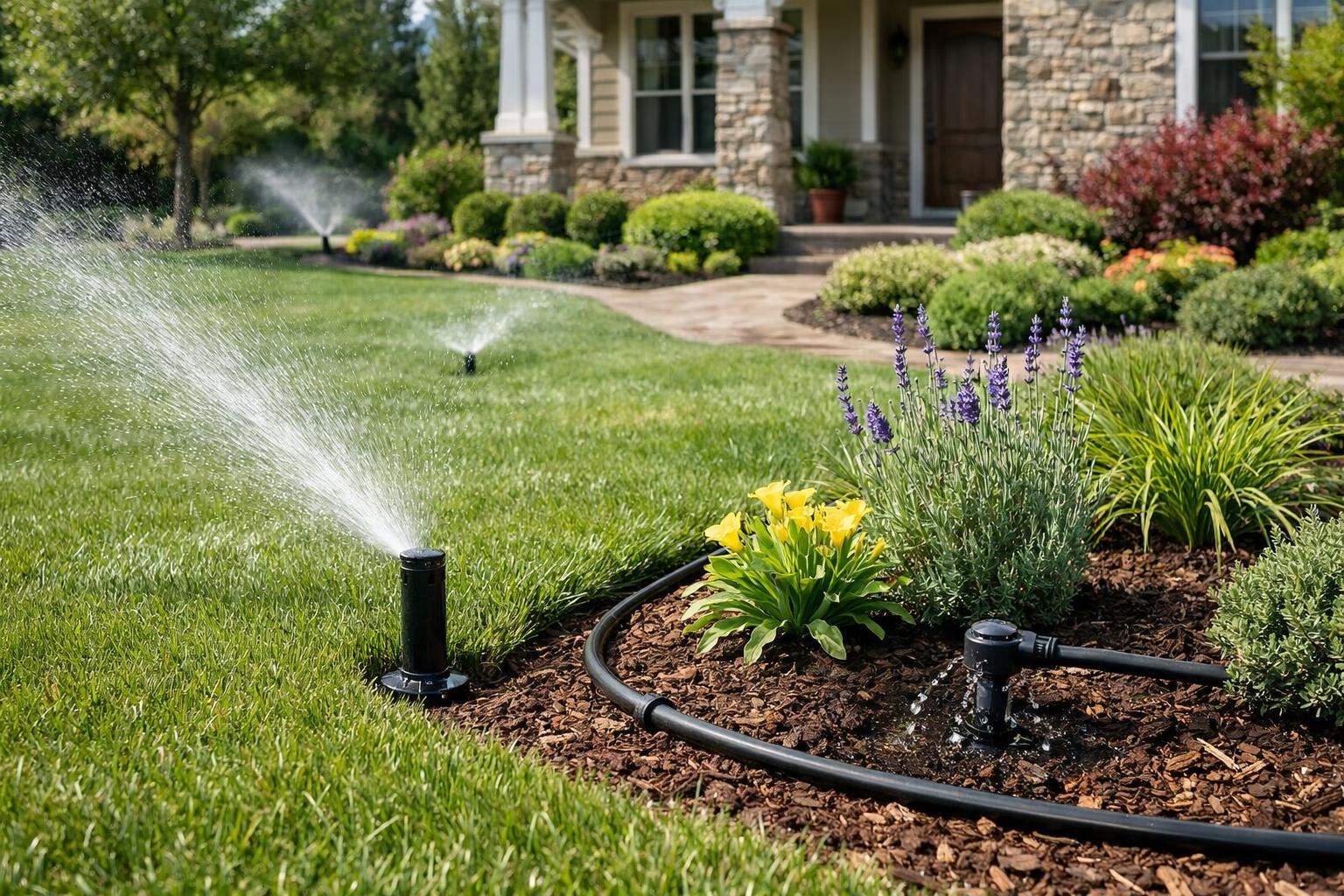
    Artificial Turf Planning Mistakes Homeowners Should Avoid Guide related example showing Lawn detail relevant to planning mistakes, prep, and irrigation decisions
    This lawn example gives homeowners a visual reference for comparing layout, materials, and maintenance tradeoffs before starting the project.

    Use scope and timeline guides to pressure-test the plan

    The artificial turf quote guide, artificial turf timeline guide, and artificial turf expectations guide help homeowners catch these mistakes before work begins.


  • Fire Pit Planning Mistakes Homeowners Should Avoid Guide

    Fire Pit Planning Mistakes Homeowners Should Avoid Guide

    Fire pit projects often run into trouble long before construction begins. Many homeowner mistakes come from treating the feature as a simple add-on instead of part of a larger outdoor-living layout. Placement, seating distance, fuel assumptions, utility planning, and surrounding hardscape all affect how the finished space actually feels to use.

    A fire pit that looks good in isolation can still function poorly if the planning decisions around it are weak.

    Fire pit layout detail relevant to placement, fuel choice, and planning mistakes for homeowners
    Many fire pit mistakes start with placement and layout decisions that look fine on paper but feel cramped, smoky, or disconnected once the feature is built.

    Poor placement creates long-term frustration

    Placing the fire pit too close to the house, too far from seating, or in a location that traps smoke or interrupts yard circulation can make the finished space much less comfortable. These issues are easier to prevent than to fix afterward.

    Utility and finish assumptions are often too loose

    Gas vs wood decisions, hardscape tie-ins, drainage, seating, lighting, and cleanup details often get glossed over early. That can lead to change orders, awkward layout compromises, or a feature that feels less complete than expected.

    Fire Pit Planning Mistakes Homeowners Should Avoid Guide related example showing Landscape beds and groundcover materials relevant to homeowner quantity planning for mulch, soil, and decorative rock
    This materials example gives homeowners a visual reference for comparing layout, materials, and maintenance tradeoffs before starting the project.

    Compare mistakes against scope and timeline

    The fire pit quote guide, fire pit timeline guide, and fire pit expectations guide help homeowners spot these issues before the project starts.


  • What to Expect During an Erosion Control Project Guide

    What to Expect During an Erosion Control Project Guide

    Erosion control projects can feel less visually satisfying at the start than homeowners expect because the crew is usually solving a slope or runoff problem before the site looks better. Access changes, soil movement, drainage work, stabilization materials, and planting may happen in separate phases. Some projects also need time after installation before the result looks fully settled.

    Homeowners usually feel more confident in the process when they understand that early site work may look rough even when the project is moving correctly.

    Slope stabilization detail relevant to project expectations, runoff control, and follow-up for homeowners
    Erosion-control projects often move through diagnosis, runoff management, stabilization work, planting, and a follow-up period before the results fully settle in.

    Diagnosis and setup often come before visible improvement

    Crews may begin by confirming runoff patterns, opening access, protecting nearby areas, and preparing the slope before any final stabilization materials or planting go in. That can make the early project phase feel more technical than cosmetic.

    What to Expect During an Erosion Control Project Guide related example showing Landscape beds and groundcover materials relevant to homeowner quantity planning for mulch, soil, and decorative rock
    This materials example gives homeowners a visual reference for comparing layout, materials, and maintenance tradeoffs before starting the project.

    Stabilization and follow-up may happen in stages

    Drainage features, slope treatment, planting, and cleanup may not all happen on the same day. Some projects also need a short follow-up window for water movement, planted material, or surface conditions to settle in.

    Compare what you see on-site to the treatment plan

    The erosion control quote guide, erosion control timeline guide, and erosion control guide help homeowners connect site disruption to the actual treatment strategy.


  • What to Expect During a Privacy Landscaping Project Guide

    What to Expect During a Privacy Landscaping Project Guide

    Privacy landscaping projects often feel less linear than homeowners expect because the work combines design decisions, plant delivery, bed preparation, installation, and finishing. Large screening plants may arrive in stages, beds may look temporarily bare or overworked before mulch goes down, and irrigation adjustments may happen alongside planting instead of after it.

    Homeowners usually have a better experience when they know the yard may look incomplete for part of the project while the crew works through sourcing and installation order.

    Privacy planting detail relevant to project expectations, plant staging, and bed finishing for homeowners
    Privacy-landscaping projects often move through sourcing, plant staging, bed preparation, installation, irrigation adjustments, mulch, and cleanup.

    Staging and preparation usually happen before the yard feels transformed

    Plant material may be staged on-site, beds may be reshaped, soil may be amended, and irrigation may be adjusted before the privacy screen looks close to finished. That can make the middle of the project feel messier than the homeowner expected.

    What to Expect During a Privacy Landscaping Project Guide related example showing Layered privacy landscaping with screening plants, mulch beds, and fence-line layout detail
    This privacy example gives homeowners a visual reference for comparing layout, materials, and maintenance tradeoffs before starting the project.

    Planting and finishing often overlap

    Plant placement, mulch, edging, cleanup, and watering setup may happen in overlapping phases rather than a simple step-by-step sequence. On larger properties, different screening areas may be at different stages at the same time.

    Compare the on-site process to the screening plan

    The privacy landscaping quote guide, privacy landscaping timeline guide, and privacy landscaping guide help homeowners connect project expectations to the bigger plan.


  • What to Expect During an Artificial Turf Project Guide

    What to Expect During an Artificial Turf Project Guide

    Artificial turf projects can look quick online because the final green surface goes down late in the job, but homeowners usually experience more disruption before that point. Removal of the old surface, grading, drainage adjustments, base compaction, and edge work often take longer and create more mess than the turf placement itself. That is normal for a quality installation.

    Homeowners usually feel more comfortable with the project when they know the dirtier preparation phase is often the most important part of the job.

    Artificial turf installation detail relevant to project expectations, base preparation, and finish work for homeowners
    Artificial turf projects usually involve the most disruption during removal, grading, drainage corrections, and base prep before the final green surface appears.

    Early work often looks rougher than the final result suggests

    Crews may remove existing lawn or surface material, reshape grades, move soil, bring in base material, and make drainage corrections before the turf is even visible. During that stage, the yard may feel less finished than expected, even though the project is moving correctly.

    What to Expect During an Artificial Turf Project Guide related example showing Sod installation detail relevant to soil preparation, grading, irrigation, and quote comparison for homeowners
    This lawn example gives homeowners a visual reference for comparing layout, materials, and maintenance tradeoffs before starting the project.

    Installation includes more than laying the turf

    Seams, edge detail, infill, transitions to patios or planting beds, cleanup, and final adjustments all happen after the surface starts going in. Those steps affect the finished quality just as much as the main roll-out.

    Compare disruption level with the promised finish quality

    The artificial turf quote guide, artificial turf timeline guide, and artificial turf installation guide help homeowners connect the on-site process to the final result.


  • What to Expect During a Fire Pit Project Guide

    What to Expect During a Fire Pit Project Guide

    Fire pit projects often feel more involved than homeowners expect because the visible feature is only part of the work. Depending on the design, the project may include demolition, utility planning, base work, hardscape tie-ins, seating, and finish details around the fire area. Even a relatively compact feature can create temporary noise, access changes, and disruption in the yard while the crew works through the phases.

    Knowing what the project usually looks like on-site helps homeowners plan better and avoid surprise expectations about pace or mess.

    Fire pit installation detail relevant to project expectations, site prep, and finish work for homeowners
    Fire pit projects often move through prep, utility decisions, feature installation, surrounding finish work, and final testing rather than one simple install day.

    Early work usually focuses on preparation

    Crews may start by protecting the site, opening access, confirming layout, and handling any demolition or excavation before the fire feature itself begins to take shape. Gas coordination or other utility decisions can slow the early phase if they are part of the project.

    What to Expect During a Fire Pit Project Guide related example showing Landscape beds and groundcover materials relevant to homeowner quantity planning for mulch, soil, and decorative rock
    This materials example gives homeowners a visual reference for comparing layout, materials, and maintenance tradeoffs before starting the project.

    Installation usually overlaps with surrounding finish work

    The fire pit structure, caps, surrounding patio or seating, and cleanup often overlap instead of happening one clean step at a time. If the feature ties into a broader outdoor-living area, nearby work may continue alongside the fire pit itself.

    Compare the on-site process to the quoted scope

    The fire pit quote guide, fire pit timeline guide, and fire pit installation guide help homeowners connect expectations to scope and schedule.