Landscaping Guru

Start with the service type

Landscaping Services Guideposts

Use these guides to understand what each service includes before comparing providers or requesting quotes.

Core service explainers

Start here when you are still deciding what kind of landscaper or outdoor contractor you need.

Compare before you hire

Use these pages when two services or surface choices sound similar but lead to different scopes.

Hire smarter

Planning And Contractor Comparison

Use this hub when you are moving from ideas into estimates, bids, and contractor conversations.

Before requesting estimates

These guides help define scope and compare companies before the first site visit.

Budget with better assumptions

Cost Guides And Calculators

Use this hub to move from rough budget ranges into the details that usually change quotes.

Calculator starting points

Open the calculator hub or a cost guide when you need a quick planning range.

High-impact cost decisions

These pages help compare choices where price, lifespan, and maintenance tradeoffs matter.

Understand the build

Installation And Site-Work Pathways

Use these guides to understand sequencing, site prep, access, and the details that affect long-term performance.

Hardscape and site prep

These projects often depend on base prep, demolition, grading, drainage, and access.

Drainage and retaining work

Use these when water, grade, or slope stability is part of the project.

Choose materials with ownership in mind

Material And Finish Decision Paths

Use these guides when appearance, maintenance, replacement, and budget all affect the right material choice.

Surface and finish comparisons

Compare outdoor surfaces before committing to a driveway, patio, or lawn direction.

Landscape material planning

Use these pages when quantity, delivery, or long-term maintenance are the main concern.

Protect the investment

Maintenance And Ownership Next Steps

Use these guides to understand ongoing care, seasonal refreshes, and when maintenance points to a bigger fix.

Maintenance planning

These guides help compare recurring service, seasonal work, and refresh projects.

When upkeep becomes repair

Use these when repeated maintenance problems suggest drainage, surface, or material issues.

  • Walkway and Pathway Planning Mistakes Homeowners Should Avoid Guide

    Walkway and Pathway Planning Mistakes Homeowners Should Avoid Guide

    Walkways often seem simple when homeowners first sketch them out, but small planning choices can create lasting frustration. A path that is too narrow, awkwardly placed, poorly drained, or weakly tied into surrounding spaces may look acceptable at first and still function poorly over time.

    The biggest walkway mistakes usually start before materials are even chosen.

    Walkway detail relevant to planning mistakes, layout, and edge decisions
    Many walkway problems start with path width, awkward circulation, weak edge planning, or drainage decisions that do not get enough attention early.

    Layout and width matter more than homeowners expect

    Paths that feel cramped, awkward, or disconnected from how people actually move through the yard often create more regret than surface-material decisions. Good circulation should shape the layout from the start.

    Edges, drainage, and transitions are often underestimated

    Weak edge detail, poor transitions to patios or lawn, and drainage decisions that get treated as afterthoughts can all shorten the life of the path and make the finish feel less polished.

    Walkway and Pathway Planning Mistakes Homeowners Should Avoid Guide related example showing Front entry walkway with edging, planting beds, and material detail relevant to pathway cost planning
    This walkway example gives homeowners a visual reference for comparing layout, materials, and maintenance tradeoffs before starting the project.

    Use quote and expectations guides to catch these issues

    The walkway quote guide, walkway expectations guide, and walkway service guide help homeowners spot these planning mistakes early.


  • Landscape Lighting Planning Mistakes Homeowners Should Avoid Guide

    Landscape Lighting Planning Mistakes Homeowners Should Avoid Guide

    Landscape lighting can look dramatic in inspiration photos, but real homeowner mistakes usually start before the first fixture is installed. Weak layering, poor placement, over-lighting, and skipping nighttime adjustment can leave the yard feeling flat, harsh, or uneven after dark. A good lighting plan is more about balance than brightness.

    The most common disappointments usually come from treating the fixture list as the design.

    Lighting detail relevant to planning mistakes, placement, and brightness decisions
    Many lighting mistakes come from treating fixture count as the whole design instead of thinking about placement, balance, focal points, and how the yard feels after dark.

    Placement matters more than homeowners expect

    Too many lights in one area, not enough depth, weak path-light spacing, or trying to light every feature equally can all make the yard look less intentional. Good lighting usually depends on emphasis and restraint.

    Landscape Lighting Planning Mistakes Homeowners Should Avoid Guide related example showing Landscape lighting detail relevant to fixture placement, wiring scope, and quote comparison for homeowners
    This lighting example gives homeowners a visual reference for comparing layout, materials, and maintenance tradeoffs before starting the project.

    Skipping nighttime adjustment is a common mistake

    What looks correct during the day can feel totally different after dark. Final aiming and rebalancing are often what make the system feel professional.

    Use quote and expectations guides to stress-test the plan

    The lighting quote guide, lighting expectations guide, and lighting service guide help homeowners catch these mistakes before the project starts.


  • Planting and Garden Bed Maintenance Guide for Homeowners

    Planting and Garden Bed Maintenance Guide for Homeowners

    New planting beds often look finished when the installation crew leaves, but the real success of the project depends on what happens afterward. Watering, mulch management, pruning discipline, seasonal observation, and plant health follow-up all affect whether the bed matures into the design the homeowner paid for.

    Most planting problems are easier to prevent with steady maintenance than to reverse once the bed has been neglected for a season or two.

    Garden bed detail relevant to watering, pruning, and maintenance
    Good planting maintenance often comes down to steady watering, mulch care, light pruning, and noticing stress or imbalance before it spreads through the bed.

    Watering and mulch management matter early

    New plantings usually need more consistent support than homeowners expect. Watering patterns, mulch condition, and watching for early stress often determine whether the bed establishes evenly.

    Pruning and seasonal observation shape the long-term look

    Over-pruning, under-pruning, or ignoring weak plants can shift the balance of the bed over time. Seasonal checks help homeowners catch those problems while the fixes are still relatively light.

    Maintenance works best when it follows the original plan

    The planting expectations guide, planting timeline guide, and planting service guide help homeowners understand what ongoing care the design really needs.

    Planting and Garden Bed Maintenance Guide for Homeowners related example showing Attractive residential front yard with walkway, planting beds, lawn, and curb appeal landscaping
    This front yard example gives homeowners a visual reference for comparing layout, materials, and maintenance tradeoffs before starting the project.

  • Sod and Lawn Maintenance Guide for Homeowners

    Sod and Lawn Maintenance Guide for Homeowners

    Sod can make a yard look finished quickly, but long-term success depends on what happens after installation day. Watering, mowing timing, traffic management, seasonal care, and early stress monitoring all affect whether the lawn fills in cleanly or starts thinning out faster than expected.

    Many lawn frustrations come from assuming the hard part ended when the sod went down, when the real establishment period was just starting.

    Lawn detail relevant to watering, mowing, and maintenance
    Good lawn maintenance usually starts with early watering discipline and then shifts into mowing, seasonal care, and noticing stress before the lawn thins out.

    Early watering discipline matters

    New sod usually needs consistent moisture and a realistic establishment routine before it can be treated like a mature lawn. Skipping that early discipline often shows up later as weak rooting or uneven health.

    Seasonal habits shape long-term results

    Mowing timing, traffic, irrigation adjustments, and how the lawn is handled during heat or seasonal stress all affect how well it holds up over time. Homeowners usually benefit from treating the lawn like a living system, not a one-time install.

    Maintenance makes more sense when you understand the install

    The sod expectations guide, sod timeline guide, and sod service guide help homeowners understand how early installation choices affect ongoing care.

    Sod and Lawn Maintenance Guide for Homeowners related example showing Lawn detail relevant to thinning, irrigation stress, and warning signs
    This lawn example gives homeowners a visual reference for comparing layout, materials, and maintenance tradeoffs before starting the project.

  • Walkway and Pathway Maintenance Guide for Homeowners

    Walkway and Pathway Maintenance Guide for Homeowners

    Walkways and pathways usually hold up better when homeowners give them occasional attention instead of waiting until the surface feels loose, uneven, or neglected. Leaves, weeds, staining, joint loss, edge movement, and small settling issues can all change the look and safety of a path over time.

    Routine upkeep is usually simpler than a later repair, especially when the first signs of movement are still small.

    Walkway detail relevant to cleaning, settling checks, and maintenance
    Walkway maintenance often means cleaning the surface, watching joints and edges, and noticing small shifts before they affect safety or appearance.

    Surface cleaning and joint care help preserve the path

    Debris, joint washout, weeds, and moisture exposure can all affect how clean and stable the walkway feels. Light maintenance often helps the surface look better and perform more predictably.

    Walkway and Pathway Maintenance Guide for Homeowners related example showing Front entry walkway with edging, planting beds, and material detail relevant to pathway cost planning
    This walkway example gives homeowners a visual reference for comparing layout, materials, and maintenance tradeoffs before starting the project.

    Edges and settling deserve attention early

    If edges shift, transitions dip, or a section starts settling, the problem is easier to address while it is still minor. These issues often show up before homeowners think of the walkway as needing repair.

    Maintenance works best when you understand the original build

    The walkway expectations guide, walkway timeline guide, and walkway service guide help homeowners understand which changes are normal and which need more attention.


  • Landscape Lighting Maintenance Guide for Homeowners

    Landscape Lighting Maintenance Guide for Homeowners

    Landscape lighting usually asks for less maintenance than homeowners expect, but the system still benefits from routine attention. Dirt, mulch splash, plant growth, shifting fixtures, and seasonal changes can all affect how the lighting looks and performs. Small adjustments usually matter much more than large repairs.

    The goal is not constant tinkering. It is occasional attention that keeps the system looking intentional and balanced over time.

    Landscape lighting detail relevant to cleaning, alignment, and maintenance
    Lighting maintenance often comes down to fixture cleaning, trimming nearby growth, checking alignment, and making small seasonal adjustments before the system starts feeling dim or uneven.

    Cleaning and trimming help preserve the design

    Fixtures can lose impact when lenses get dirty or planting grows in front of them. Simple cleaning and light trimming often do more for the nighttime effect than homeowners expect.

    Alignment and performance changes are worth watching

    Aiming issues, dim areas, timers, controls, and shifting fixtures can all change the way the yard looks after dark. Catching those changes early usually keeps the system feeling polished.

    Good maintenance starts with a realistic lighting plan

    The lighting expectations guide, lighting timeline guide, and lighting service guide help homeowners understand what parts of the system need attention over time.

    Landscape Lighting Maintenance Guide for Homeowners related example showing Lighting detail relevant to dim areas, fixture shifts, and warning signs
    This lighting example gives homeowners a visual reference for comparing layout, materials, and maintenance tradeoffs before starting the project.

  • What to Expect During a Planting and Garden Bed Project Guide

    What to Expect During a Planting and Garden Bed Project Guide

    Planting and garden bed projects often feel less linear than homeowners expect because the work includes preparation, delivery, placement, and finishing across several moving parts. Beds may look bare or overworked in the middle of the project, plant material may be staged on-site before installation, and mulch or cleanup may happen later than the homeowner assumed.

    That temporary mess is often part of a normal installation sequence, not a sign that the project is going badly.

    Planting detail relevant to project expectations, bed preparation, and finish work
    Planting projects often move from clearing and bed prep into plant staging, installation, mulch, irrigation tweaks, and final cleanup.

    Bed preparation can look rough before it looks better

    Clearing, reshaping, edging, soil improvement, and irrigation adjustments often happen before the plants go in. During that stage, the space may look less finished than it did when the project started.

    What to Expect During a Planting and Garden Bed Project Guide related example showing Attractive residential front yard with walkway, planting beds, lawn, and curb appeal landscaping
    This front yard example gives homeowners a visual reference for comparing layout, materials, and maintenance tradeoffs before starting the project.

    Delivery and finishing phases often overlap

    Plant staging, placement, mulch, cleanup, and fine adjustments may happen in overlapping waves instead of a clean step-by-step order. On larger jobs, one section of the yard may be finishing while another is still being prepared.

    Use quote and timeline guides to frame expectations

    The planting quote guide, planting timeline guide, and planting service guide help homeowners understand the on-site process more clearly.


  • What to Expect During a Sod Installation Project Guide

    What to Expect During a Sod Installation Project Guide

    Sod projects often transform the yard quickly at the end, but the early part of the job can look rougher than homeowners expect. Old lawn removal, grading, soil preparation, irrigation checks, and access for material delivery all happen before the finished lawn appears. That does not mean the project is off track. It usually means the crew is building the foundation for better results.

    Homeowners usually feel better about the process when they know the yard may look less finished before it starts looking dramatically better.

    Sod installation detail relevant to project expectations, soil preparation, and early care
    Sod projects often move from removal and grading into soil prep, irrigation checks, sod placement, rolling, and early care guidance for the homeowner.

    Preparation often creates the most disruption

    Crews may remove old turf, reshape the area, bring in soil, adjust sprinklers, and prepare the surface before the sod arrives. This stage can feel messy, but it is often the most important part of the job.

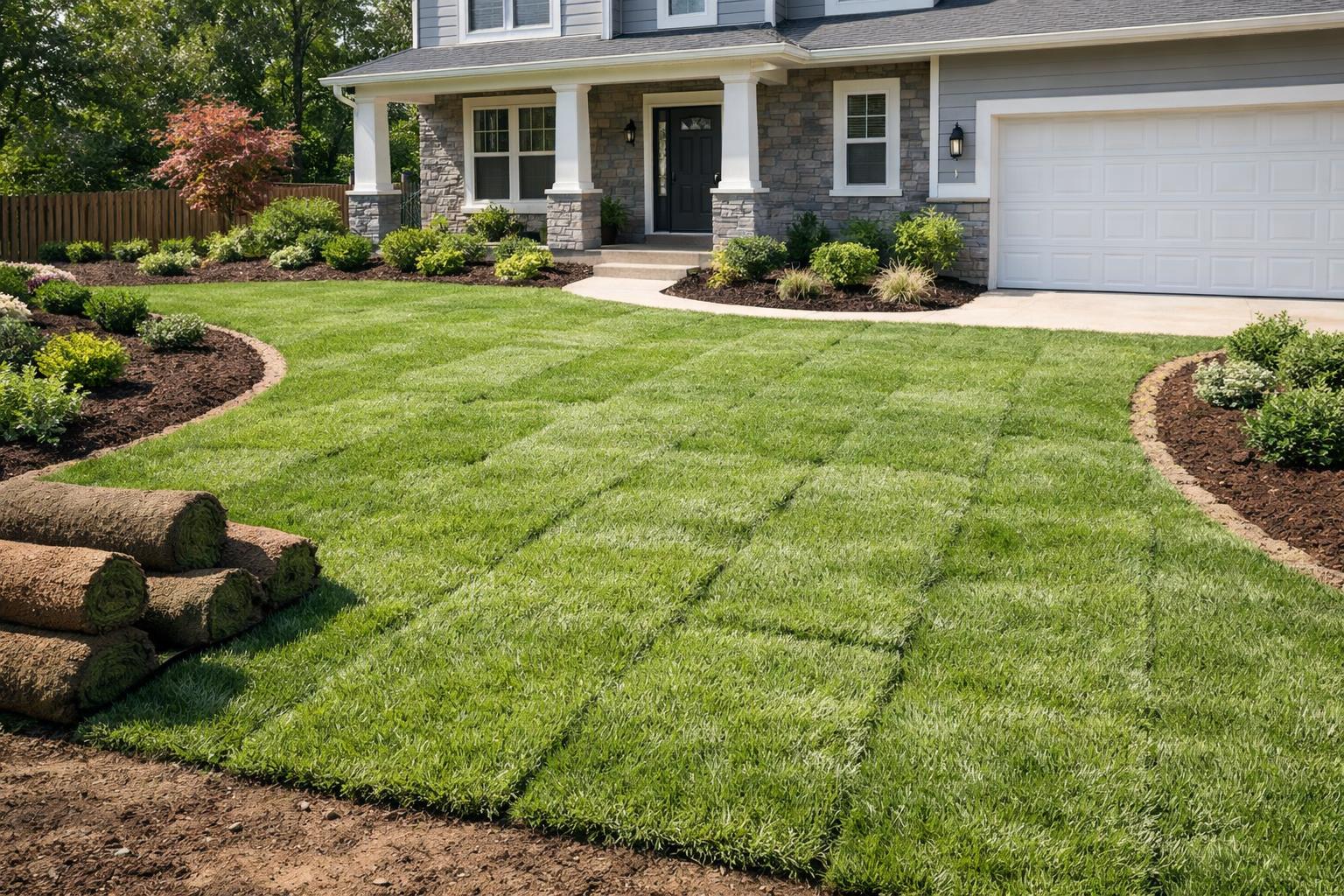
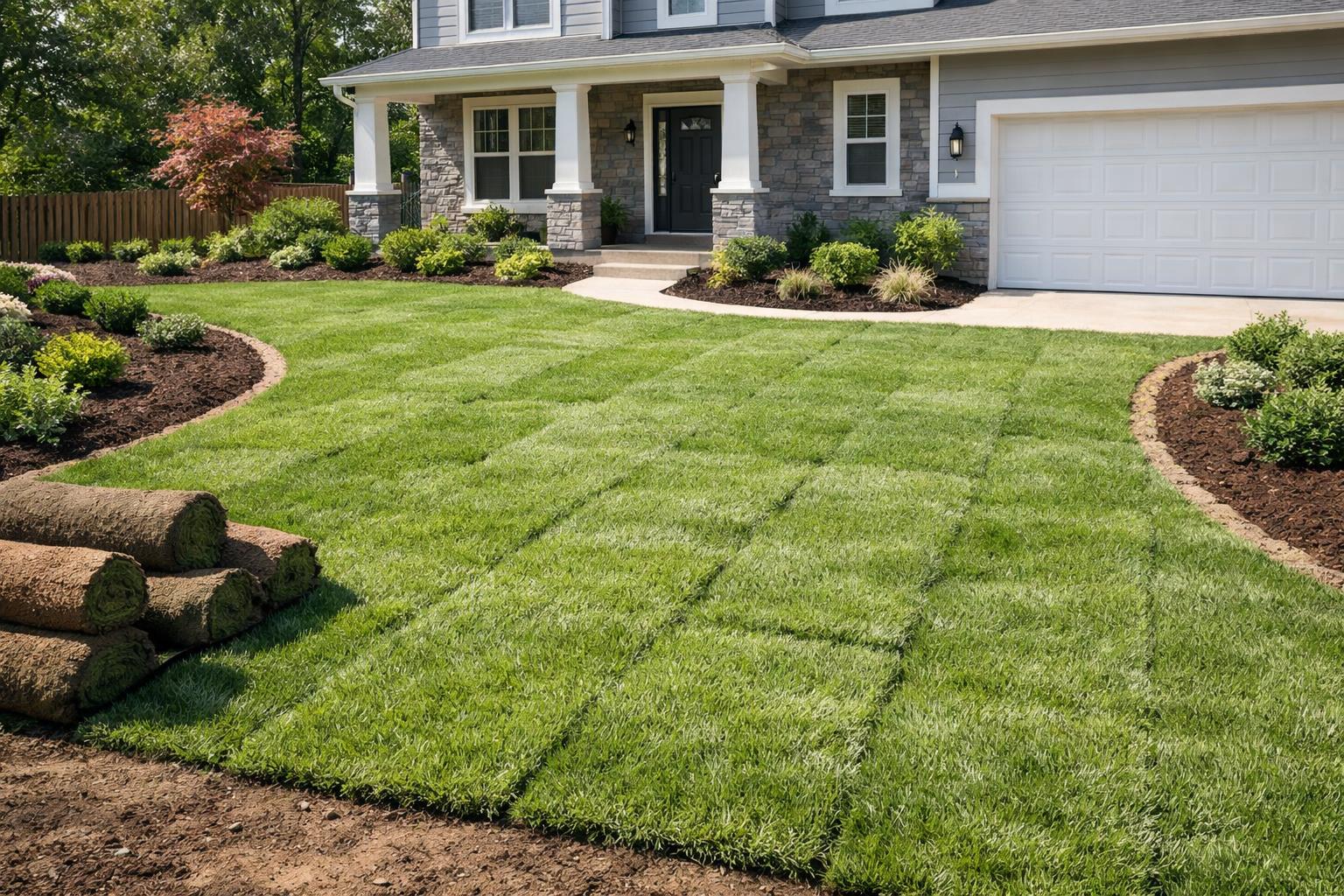
    What to Expect During a Sod Installation Project Guide related example showing Sod installation detail relevant to soil preparation, grading, irrigation, and quote comparison for homeowners
    This lawn example gives homeowners a visual reference for comparing layout, materials, and maintenance tradeoffs before starting the project.

    Installation is fast, but follow-through still matters

    Once the sod is down, the project can look nearly complete, but watering guidance, seam checks, rolling, and early establishment habits still matter. Homeowners should expect a handoff period rather than a simple instant finish.

    Use quote and timeline guides to judge the process

    The sod quote guide, sod timeline guide, and sod service guide help homeowners connect what they see on-site to the promised scope.


  • What to Expect During a Walkway and Pathway Project Guide

    What to Expect During a Walkway and Pathway Project Guide

    Walkway and pathway projects often affect how homeowners move through the yard while the work is happening. Demolition, excavation, base preparation, paving, and edge detail can all temporarily change access and make the site feel rougher than the finished result suggests. That is normal for a good installation.

    Homeowners usually feel more comfortable with the project when they know the messy preparation phase is often where long-term performance gets decided.

    Walkway construction detail relevant to project expectations, excavation, and finish work
    Walkway projects often move through demolition, excavation, base compaction, paving, edge detail, and restoration around the finished path.

    Preparation often feels bigger than the finished path

    Crews may remove old surfaces, reshape grades, haul material, and compact base layers before the new path looks close to finished. The site may feel more disrupted during this phase than homeowners expected.

    Finish detail matters at the end

    Edge restraint, cuts, transitions, cleanup, and restoration around the walkway usually come after the main surface is placed. Those final steps are often what make the project feel complete.

    What to Expect During a Walkway and Pathway Project Guide related example showing Front entry walkway with edging, planting beds, and material detail relevant to pathway cost planning
    This walkway example gives homeowners a visual reference for comparing layout, materials, and maintenance tradeoffs before starting the project.

    Use quote and timeline guides to frame expectations

    The walkway quote guide, walkway timeline guide, and walkway service guide help homeowners understand what they are seeing during the project.


  • What to Expect During a Landscape Lighting Project Guide

    What to Expect During a Landscape Lighting Project Guide

    Landscape lighting projects often feel cleaner and less disruptive than major hardscape jobs, but homeowners should still expect layout decisions, buried wire paths, fixture staging, and nighttime adjustment to shape the process. The project may move quickly, yet the final look usually depends on more than a simple one-day install.

    Knowing what happens on-site helps homeowners judge progress more realistically and avoid assuming the job is “done” before final aiming happens.

    Landscape lighting detail relevant to project expectations, wire routing, and nighttime adjustment
    Lighting projects often move from layout and fixture placement into wire work, installation, testing, and evening adjustment before the final effect is dialed in.

    Daytime work usually focuses on layout and installation

    Crews may walk the property, confirm fixture locations, route wire, install transformers, and set fixtures before the final look becomes obvious. During this phase, the property can feel unfinished even though the project is moving correctly.

    What to Expect During a Landscape Lighting Project Guide related example showing Landscape lighting detail relevant to fixture placement, wiring scope, and quote comparison for homeowners
    This lighting example gives homeowners a visual reference for comparing layout, materials, and maintenance tradeoffs before starting the project.

    Final aiming often happens later than expected

    Many homeowners do not realize that nighttime adjustment is a normal part of landscape lighting. Fine-tuning brightness, direction, and balance may happen after the main hardware is already in place.

    Use quote and timeline guides to judge the process

    The lighting quote guide, lighting timeline guide, and lighting service guide help homeowners compare the on-site process to the promised scope.