Landscaping Guru

  • What a Retaining Wall Quote Should Include Guide for Homeowners

    What a Retaining Wall Quote Should Include Guide for Homeowners

    Retaining wall quotes are often hard for homeowners to compare because the visible wall face is only part of the project. Much of the real value sits in excavation, drainage handling, reinforcement, backfill, site access planning, and how the contractor is thinking about wall pressure over time. If those details are vague, the quote can be hard to trust even when the price looks attractive.

    A useful quote should explain what the wall is supposed to do, not just what material will be stacked at the front.

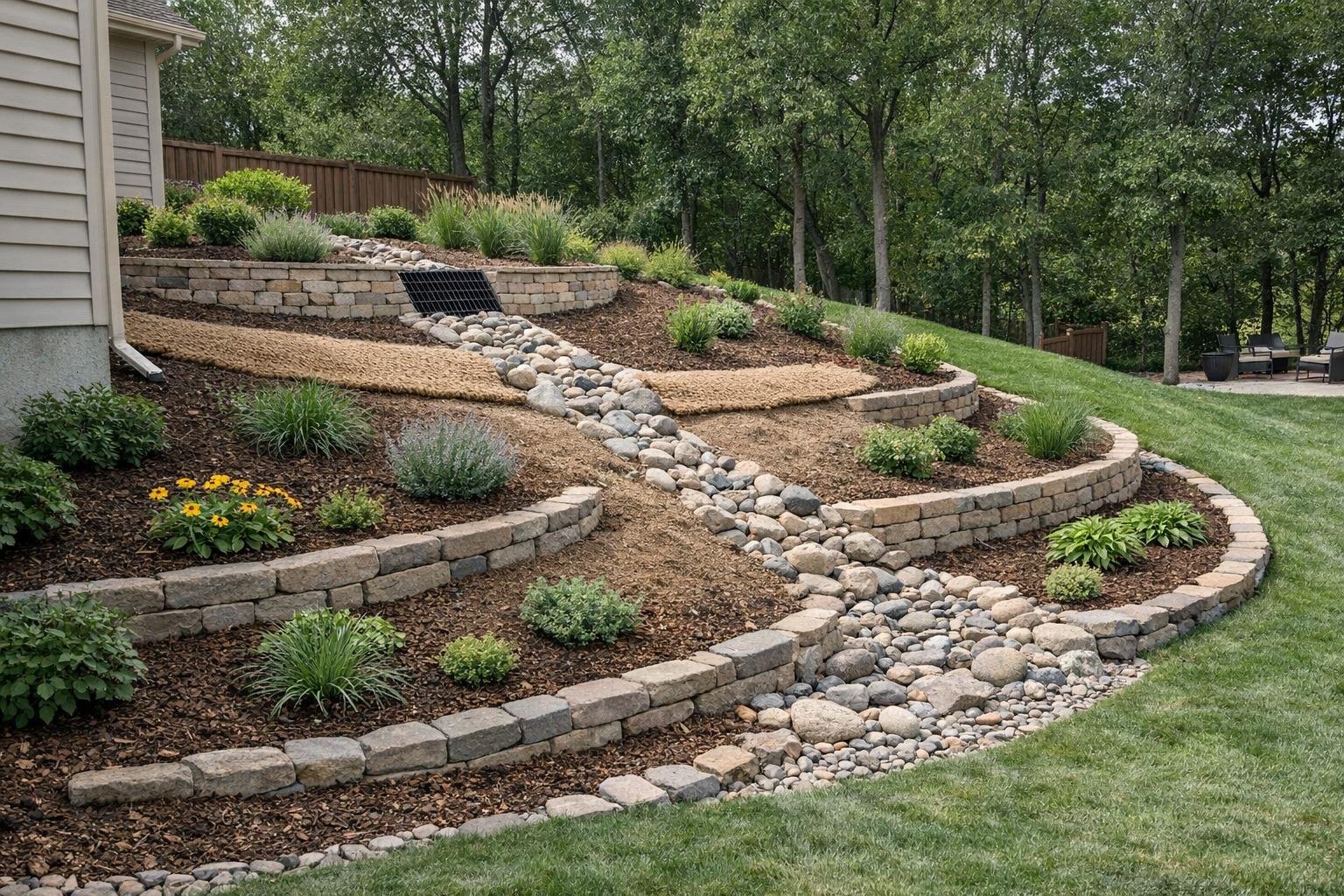
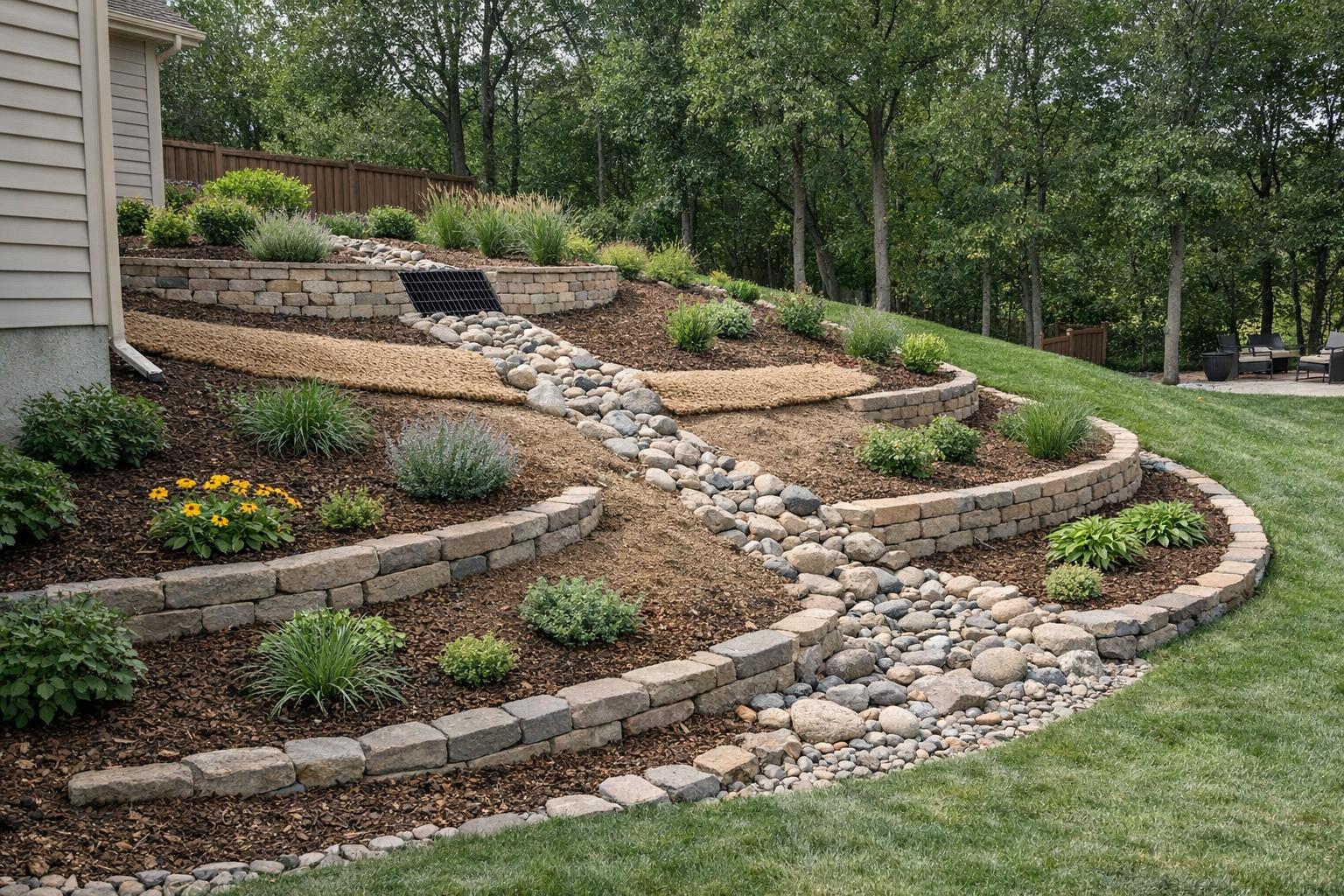
    Retaining wall construction detail relevant to drainage, reinforcement, and quote scope for homeowners
    Retaining wall quotes usually deserve the closest attention around excavation, drainage, reinforcement, wall height assumptions, and what site restoration is included afterward.

    Excavation and drainage should not be fuzzy

    Homeowners should be able to see whether the quote addresses excavation, base prep, drainage stone, wall-drain handling, and what happens behind the face of the wall. Those hidden details often matter more than the exposed block style.

    Scope should reflect height, access, and reinforcement

    Wall height assumptions, whether engineering is needed, how access affects equipment or labor, and whether cleanup or restoration is included all influence value. If one quote looks much lower, missing scope is often the first thing to check.

    Compare quote quality, not just final price

    The retaining wall guide, retaining wall cost guide, and quote comparison guide all help homeowners evaluate these bids more confidently.

    What a Retaining Wall Quote Should Include Guide for Homeowners related example showing Retaining wall detail relevant to planning mistakes, drainage, and grade behavior
    This retaining wall example gives homeowners a visual reference for comparing layout, materials, and maintenance tradeoffs before starting the project.

  • Best Landscape Lighting Fixtures for Homeowners Guide

    Best Landscape Lighting Fixtures for Homeowners Guide

    Landscape lighting works best when homeowners think in terms of lighting jobs rather than shopping for fixtures by appearance alone. A path light, a step light, and an accent fixture all serve different purposes, and the yard usually feels better when those purposes stay clear. Over-lighting often comes from using the wrong fixture in too many places rather than from wanting too much light.

    The best fixture choice usually depends on what needs to be seen, what should be highlighted, and how the yard is used after dark.

    Path and accent lighting fixtures relevant to residential outdoor lighting design decisions
    Homeowners usually get better lighting results when they choose fixtures by job type, like path visibility, steps, accent lighting, and outdoor-living comfort, instead of choosing one fixture style for everything.

    Choose fixtures by role first

    Path lights improve circulation, step lights improve safety, accent fixtures highlight planting or architectural features, and entertaining-area lighting shapes comfort. Once homeowners know the role, fixture style becomes easier to compare.

    Maintenance and replacement matter too

    Fixture durability, accessibility, finish quality, and how easy it is to replace or adjust parts can all affect long-term satisfaction. A beautiful fixture is less helpful if it is hard to service or poorly suited to the environment.

    Best Landscape Lighting Fixtures for Homeowners Guide related example showing Lighting detail relevant to dim areas, fixture shifts, and warning signs
    This lighting example gives homeowners a visual reference for comparing layout, materials, and maintenance tradeoffs before starting the project.

    Fixture choice should support a lighting plan

    The landscape lighting guide, lighting cost guide, and project expectations guide all help put fixture decisions in context.


  • What Affects Planting and Garden Bed Cost Guide for Homeowners

    What Affects Planting and Garden Bed Cost Guide for Homeowners

    Planting and garden bed projects can look simple from the street, but the final cost often reflects much more than the plants themselves. Soil prep, irrigation adjustments, edging, mulch, plant size, bed layout, and cleanup all shape the budget. That is why two planting quotes with the same square footage can still land in very different price ranges.

    Homeowners usually get better comparisons when they ask what is included under the planting surface, not just what is visible above it.

    Layered planting bed and screening shrubs relevant to comparing garden bed scope and plant-size costs
    Garden bed budgets usually rise with larger plant material, more detailed bed shaping, irrigation work, and stronger screening or curb-appeal goals.

    Plant size and quantity matter quickly

    Smaller starter plants and larger screening material solve different problems and carry very different costs. A bed designed for immediate privacy or a more finished first impression usually costs more than one that is built around growth over time.

    Preparation and finish details affect the total

    Soil work, old-bed cleanup, weed removal, edging, irrigation updates, mulch, compost, and layout refinement all add labor and material cost. Those are often the details that make a bed feel clean and intentional instead of temporary.

    What Affects Planting and Garden Bed Cost Guide for Homeowners related example showing Front entry walkway with edging, planting beds, and material detail relevant to pathway cost planning
    This front yard example gives homeowners a visual reference for comparing layout, materials, and maintenance tradeoffs before starting the project.

    Compare cost to function, not just appearance

    The garden bed guide, plant material comparison guide, and low-maintenance plant guide all help connect bed cost to longer-term results.


  • What to Bring When Shopping for Landscaping Materials Guide

    What to Bring When Shopping for Landscaping Materials Guide

    Shopping for landscaping materials is much easier when homeowners bring the right information with them. Without measurements, photos, or a rough sense of the project scope, supplier conversations often stay generic. With even a small amount of prep, the advice gets more specific and the product comparison becomes more useful.

    You do not need a full design plan to shop well, but you do need enough information to describe the space clearly.

    Outdoor material sample context relevant to paver, stone, and finish comparison for homeowners
    Homeowners usually get better guidance from suppliers when they bring dimensions, reference photos, rough quantities, and nearby material samples instead of relying on memory alone.

    Measurements and photos matter most

    Dimensions, wide photos, close-up site details, and notes about slope, sun, access, or existing materials can help suppliers point homeowners toward more realistic options. Even rough numbers are better than a guess based only on memory.

    What to Bring When Shopping for Landscaping Materials Guide related example showing Landscape beds and groundcover materials relevant to homeowner quantity planning for mulch, soil, and decorative rock
    This materials example gives homeowners a visual reference for comparing layout, materials, and maintenance tradeoffs before starting the project.

    Samples and reference materials can save time

    If the project needs to match an existing surface or complement the house, bringing a sample, finish photo, or clear reference can make a big difference. It gives the supplier something concrete to work from.

    Know what problem you are trying to solve

    It helps to be able to explain whether the priority is drainage, durability, lower maintenance, pet use, low-water landscaping, or front-yard curb appeal. The where-to-buy guide, quote comparison guide, and bulk-order questions guide all help round out that prep.


  • Best Landscape Materials for Small Front Yards Guide

    Best Landscape Materials for Small Front Yards Guide

    Small front yards often have less room for material mistakes because every surface is more visible. A material mix that feels layered and interesting in a larger yard can feel crowded or visually noisy in a smaller entry zone. That is why front-yard material choices often work best when they simplify circulation, support curb appeal, and avoid competing with the architecture of the house.

    In a small front yard, restraint is often more effective than trying to showcase too many finishes at once.

    Front entry landscape materials relevant to choosing surfaces and finishes for a smaller yard
    Smaller front yards often benefit when homeowners choose materials that simplify the entry path, keep scale consistent, and avoid overloading the space with too many finishes.

    Scale and repetition matter

    Repeating a small number of compatible materials often makes a compact front yard feel more finished. Too many textures, colors, and edge styles can make the space feel busy even when each individual product is attractive.

    Think about entry flow first

    Walkway material, planting-bed definition, edging, and any accent surfaces should all support the way someone approaches the front door. Materials that interrupt that flow or create unnecessary visual breaks can make a small yard feel less coherent.

    Best Landscape Materials for Small Front Yards Guide related example showing Low-water landscape bed materials including rock and mulch relevant to drought-conscious groundcover selection
    This materials example gives homeowners a visual reference for comparing layout, materials, and maintenance tradeoffs before starting the project.

    Use materials to support curb appeal, not compete with it

    The front-yard landscaping guide, patio and walkway materials guide, and hardscape matching guide all help clarify these smaller-space decisions.


  • Best Landscape Materials for Sloped Yards Guide

    Best Landscape Materials for Sloped Yards Guide

    Sloped yards need materials that do more than provide a finished look. The wrong product can wash, migrate, collect runoff, or create awkward footing. The right choice usually depends on how steep the grade is, how water moves through the property, and whether the area is meant for circulation, planting, seating, or simple visual coverage.

    That means slope-friendly materials should be chosen with drainage and erosion behavior in mind from the start.

    Landscape slope and runoff context relevant to choosing materials for grade and erosion control
    Sloped-yard materials usually work better when homeowners compare runoff control, stability, maintenance, and how well the product stays where it belongs after storms.

    Stability matters as much as appearance

    Loose material may look attractive on a slope but still perform poorly if it shifts, erodes, or requires constant reworking. Edging, drainage detail, retaining structures, and planting density all influence whether a product feels stable over time.

    Best Landscape Materials for Sloped Yards Guide related example showing Low-water landscape bed materials including rock and mulch relevant to drought-conscious groundcover selection
    This materials example gives homeowners a visual reference for comparing layout, materials, and maintenance tradeoffs before starting the project.

    Some slopes need more than a surface material

    In many yards, the material choice is only part of the answer. The slope may also need regrading, drainage work, steps, walls, or planting reinforcement so the surface can hold up.

    Choose with runoff in mind

    The drainage solutions guide, erosion control guide, and regrading signs guide help homeowners think through those site conditions before material selection.


  • What Makes a Landscape Material Low Maintenance Guide

    What Makes a Landscape Material Low Maintenance Guide

    Homeowners often hear a material described as low maintenance without getting a clear explanation of what that actually means. Some products reduce watering but still need cleanup. Others hold their look well but are harder to refresh or repair. A truly low-maintenance choice usually depends on how the homeowner defines the work they most want to avoid.

    That is why low maintenance should be treated as a set of tradeoffs, not a universal label.

    Groundcover and hardscape materials relevant to comparing real long-term maintenance demands
    Homeowners usually judge maintenance more accurately when they compare cleanup, edge control, weed pressure, repair effort, and refresh timing instead of focusing on appearance alone.

    Think beyond the first season

    Some materials look very neat right after installation but become labor-heavy once weeds, settling, stain exposure, or edge drift appear. Others need occasional topping off but are simple to refresh. Long-term behavior matters more than first-impression neatness.

    What Makes a Landscape Material Low Maintenance Guide related example showing Low-water landscape bed materials including rock and mulch relevant to drought-conscious groundcover selection
    This low maintenance example gives homeowners a visual reference for comparing layout, materials, and maintenance tradeoffs before starting the project.

    Compare cleanup, repairability, and refresh cycles

    Homeowners should ask how the material handles debris, runoff, pet use, staining, fading, and small repairs. A material that is easy to touch up may feel lower-maintenance than one that lasts longer on paper but is frustrating to correct once it looks tired.

    Maintenance depends on context

    The low-maintenance landscaping guide, ground-cover lifespan guide, and low-water materials guide help connect those tradeoffs to real project choices.


  • Best Landscape Materials for Low-Water Yards Guide

    Best Landscape Materials for Low-Water Yards Guide

    Low-water yards are often misunderstood as a simple swap from lawn to rock, but the most successful projects usually use a more balanced material strategy. Mulch, decorative stone, hardscape, planting density, and irrigation layout all work together to determine how water-efficient and comfortable the space actually feels.

    A yard can use less water and still feel intentional, layered, and livable if the materials are chosen as part of one plan.

    Low-water landscape bed materials including rock and mulch relevant to drought-conscious groundcover selection
    Low-water material decisions usually work best when homeowners compare evaporation control, heat, runoff, maintenance, and how the materials interact with planting zones.

    Ground-cover choices affect water use and heat

    Mulch, decorative rock, and mixed ground-cover approaches each have different strengths. Some help moderate soil temperature better. Some create a cleaner, more structural look. Some may increase reflected heat or require different maintenance approaches.

    Best Landscape Materials for Low-Water Yards Guide related example showing Landscape beds and groundcover materials relevant to homeowner quantity planning for mulch, soil, and decorative rock
    This materials example gives homeowners a visual reference for comparing layout, materials, and maintenance tradeoffs before starting the project.

    Hardscape can reduce water use but still needs balance

    Patios, walkways, and other hardscape surfaces can reduce irrigated square footage, but too much surface without shade, planting, or comfortable transitions can make a yard feel harsh. The overall composition matters.

    Material choice should follow the irrigation plan

    The low-water landscaping guide, materials cost guide, and low-maintenance plant guide all help connect product selection to the bigger yard strategy.


  • Best Landscape Materials for Pet-Friendly Yards Guide

    Best Landscape Materials for Pet-Friendly Yards Guide

    Pet-friendly yards are not only about choosing grass versus turf. The full material mix matters: ground cover, bed edging, cleanup surfaces, drainage behavior, and how the yard feels underfoot all shape whether the space works well for both pets and people. Some materials are easier to clean, some are softer or cooler, and some hold up better under repeated wear.

    The right choice usually depends on how the pet uses the yard and how much maintenance the household wants to take on.

    Backyard surface choices relevant to pet-friendly yard design and material selection
    Pet-friendly material choices usually improve when homeowners compare surface temperature, drainage behavior, cleanup effort, and how paws move across the yard every day.

    Surface comfort and cleanup both matter

    Some pet owners prioritize easy cleanup and drainage. Others care more about comfort, shade, and natural feel. Patios, turf, mulch types, rock surfaces, and lawn areas all behave differently once daily pet use enters the picture.

    Drainage and odor control should not be afterthoughts

    Materials that trap moisture, stay muddy, or hold organic mess can create frustration quickly. Homeowners usually get better long-term results when drainage and cleanup are part of the surface decision from the start.

    Best Landscape Materials for Pet-Friendly Yards Guide related example showing Low-water landscape bed materials including rock and mulch relevant to drought-conscious groundcover selection
    This materials example gives homeowners a visual reference for comparing layout, materials, and maintenance tradeoffs before starting the project.

    Choose materials as a yard system

    The pet-friendly backyard guide, turf vs natural grass guide, and low-maintenance landscaping guide all help homeowners build a more complete plan.


  • Do Pavers Need Sealing Guide for Homeowners

    Do Pavers Need Sealing Guide for Homeowners

    Many homeowners hear conflicting advice about paver sealing. Some are told it is essential. Others are told it is unnecessary. In practice, sealing is usually a choice about appearance, stain resistance, maintenance style, and how the space is used rather than a simple yes-or-no rule for every project.

    The best answer often depends on where the pavers are installed, what kind of wear they get, and what look the homeowner wants long term.

    Paver surface detail relevant to sealing, stain resistance, and long-term hardscape care
    Paver sealing decisions usually make more sense when homeowners compare surface look, stain exposure, traction, and how much maintenance they actually want over time.

    Why some homeowners choose to seal pavers

    Sealing can deepen color, reduce some surface staining, and change the way the hardscape looks after cleaning. It may also help some owners feel the surface stays cleaner-looking between maintenance cycles.

    Why sealing is not always the right choice

    Not every paver area needs that extra finish treatment. Some homeowners prefer a more natural-weathered look, and some surfaces need careful consideration around traction, sheen, or future maintenance expectations.

    Think about use and upkeep together

    A patio near outdoor dining may raise different maintenance questions than a walkway or driveway. The paver colors and finishes guide, hardscape matching guide, and patio and walkway materials guide all help provide context before sealing becomes part of the maintenance plan.

    Do Pavers Need Sealing Guide for Homeowners related example showing Landscape beds and groundcover materials relevant to homeowner quantity planning for mulch, soil, and decorative rock
    This materials example gives homeowners a visual reference for comparing layout, materials, and maintenance tradeoffs before starting the project.