Landscaping Guru

  • How Long Mulch, Decorative Rock, and Ground Cover Usually Last Guide

    How Long Mulch, Decorative Rock, and Ground Cover Usually Last Guide

    Ground-cover materials rarely stay exactly the same year after year. Organic mulches break down, decorative rock can migrate or sink, and some bed materials lose their clean look faster than homeowners expect. That does not mean the original choice was wrong. It usually means the material has a normal refresh cycle that should be part of the long-term maintenance plan.

    The more sun, runoff, foot traffic, and weed pressure a bed receives, the more quickly that refresh cycle may show up.

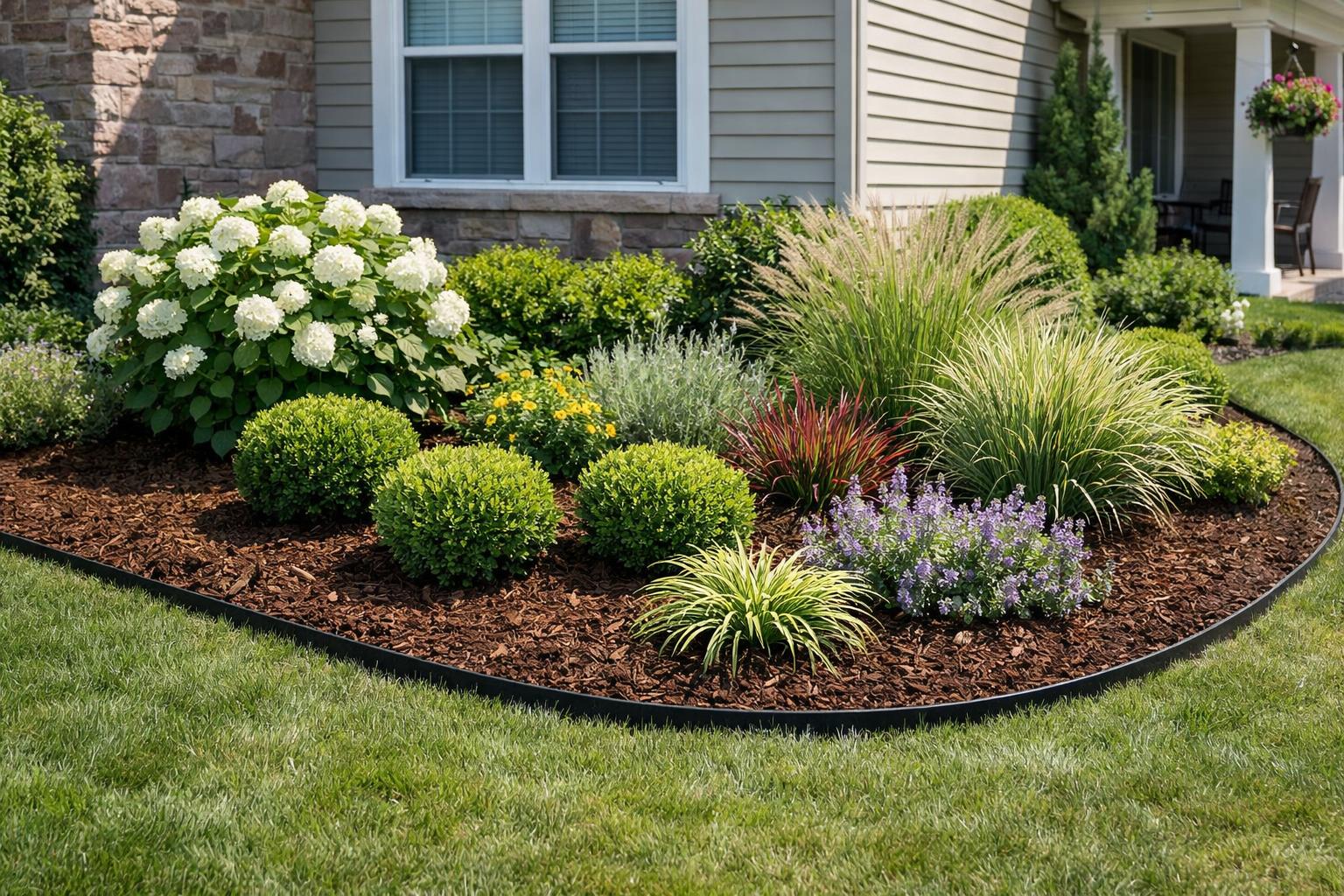
    Landscape bed showing mulch and planted edges relevant to ground-cover lifespan and maintenance planning
    Mulch, decorative rock, and other ground covers usually last longer when bed edges are controlled, runoff is managed, and refresh timing matches how the space actually wears.

    Organic mulch usually changes the fastest

    Mulch often fades, settles, or decomposes over time, especially in sunnier or wetter beds. That is part of how organic material works. Some homeowners like the soil-building benefits, while others prefer a ground cover that keeps a more stable appearance.

    Decorative rock can last longer but still needs attention

    Rock and stone ground covers usually break down far more slowly, but they can still shift, collect debris, mix with soil, or look uneven over time. Edging, weed control, and occasional redistribution often matter more than homeowners expect.

    Longevity depends on the site, not just the product

    The mulch vs rock guide, bulk mulch guide, and maintenance plans guide all help homeowners connect lifespan expectations to real upkeep.

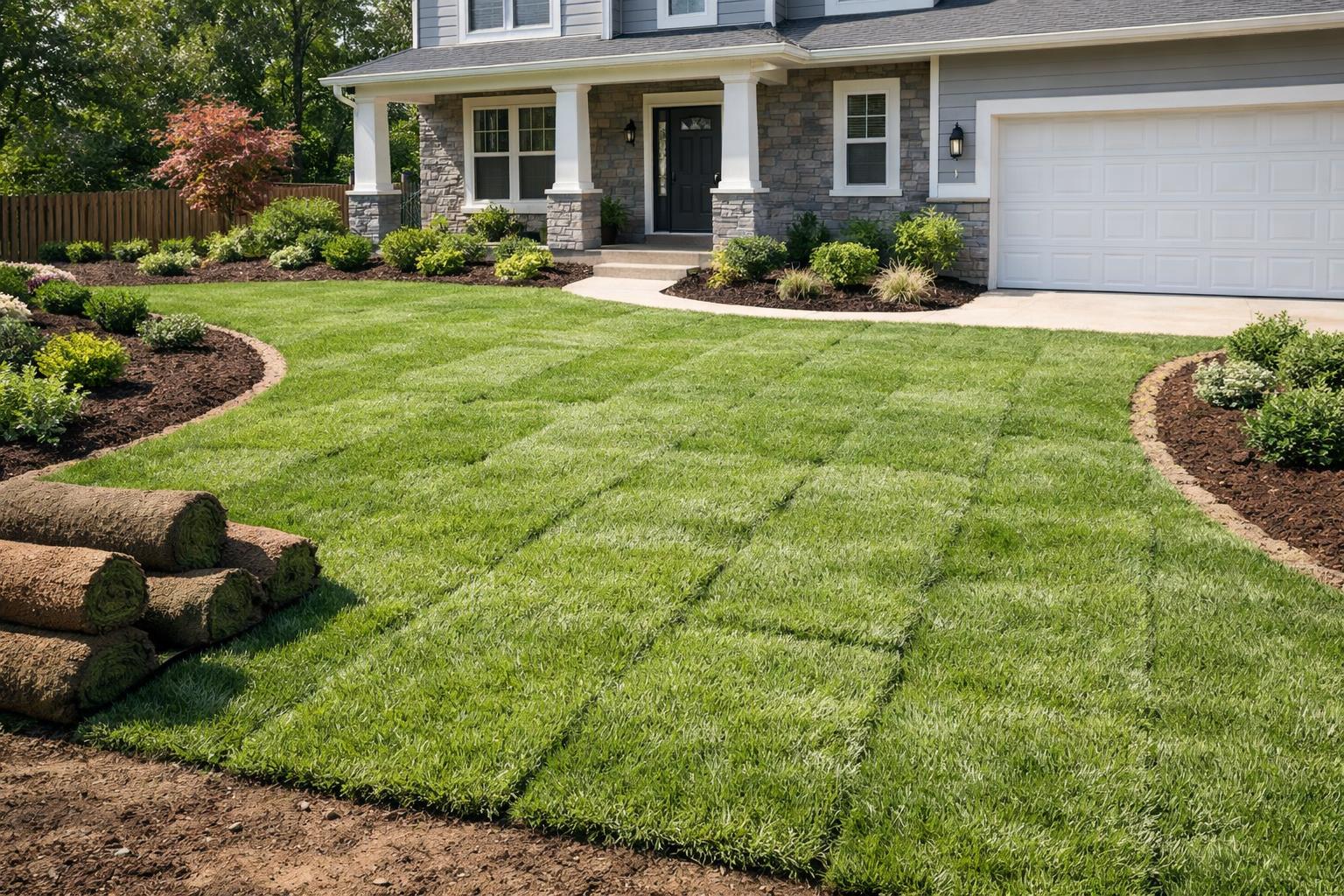
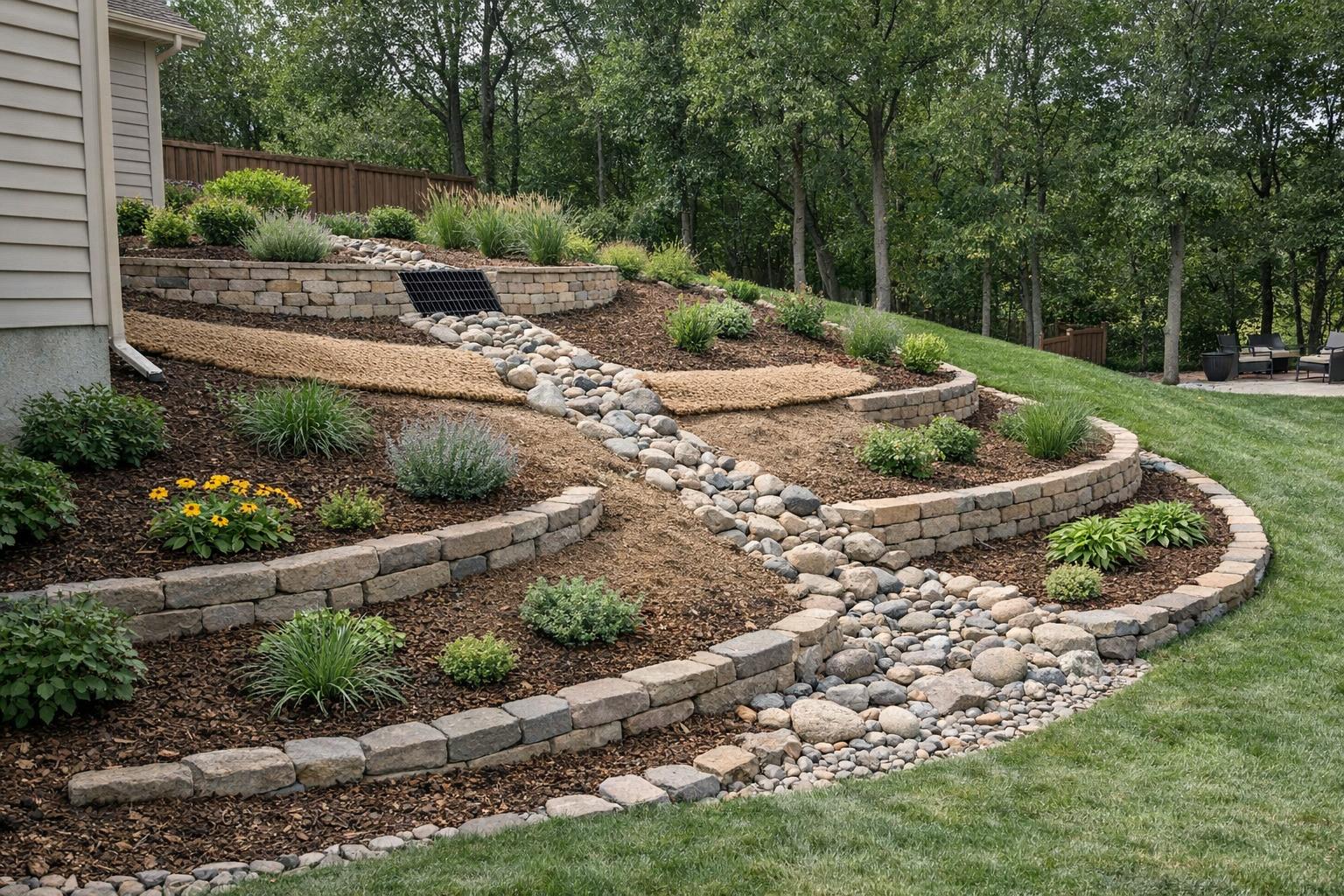
    How Long Mulch, Decorative Rock, and Ground Cover Usually Last Guide related example showing Landscape beds and groundcover materials relevant to homeowner quantity planning for mulch, soil, and decorative rock
    This materials example gives homeowners a visual reference for comparing layout, materials, and maintenance tradeoffs before starting the project.

  • How to Choose Low-Maintenance Plants for Your Yard Guide

    How to Choose Low-Maintenance Plants for Your Yard Guide

    Many homeowners want low-maintenance plants, but that phrase means different things depending on the household. Some want plants that need less water. Others want fewer pruning chores, slower growth, or cleaner year-round structure. The best plant choices usually come from matching the plant to the site and the homeowner’s actual care habits instead of looking for one magic category of easy plants.

    A beautiful plant can still feel high-maintenance if it is wrong for the soil, sun, water schedule, or amount of space available.

    Residential planting bed relevant to choosing easier-care shrubs and perennials for a lower-maintenance yard
    Homeowners usually get lower-maintenance planting plans when they compare water needs, growth habit, pruning demands, and sun exposure before they fall in love with a single plant look.

    Start with site conditions and care habits

    Sun exposure, heat, wind, irrigation type, and local climate should all shape plant selection. So should the homeowner’s real maintenance routine. A plant that needs regular shaping may be fine for one property and frustrating on another.

    Think about growth habit, not just current size

    Plants that outgrow the space quickly often become maintenance problems even if they are healthy. Homeowners should compare mature width, pruning needs, leaf drop, and how the plant behaves through different seasons.

    How to Choose Low-Maintenance Plants for Your Yard Guide related example showing Groundcover and hardscape materials relevant to comparing real long-term maintenance demands
    This low maintenance example gives homeowners a visual reference for comparing layout, materials, and maintenance tradeoffs before starting the project.

    Use maintenance goals to narrow the palette

    It often helps to connect plant choices to broader goals like privacy, low-water use, pollinator support, or cleaner front-yard curb appeal. The low-maintenance landscaping guide, plant material comparison guide, and low-water landscaping guide all support that process.


  • How to Match New Pavers or Stone to Existing Hardscape Guide

    How to Match New Pavers or Stone to Existing Hardscape Guide

    Adding new hardscape to an existing yard often creates a common homeowner question: should the new surface match the old one exactly, or should it coordinate without pretending to be the same? In most cases, the better result comes from aiming for visual harmony rather than a forced near-match that ends up drawing more attention to the difference.

    That is especially true when the older surface has weathered, faded, or is no longer available in the same product line.

    Paver and stone surface detail relevant to matching new hardscape to existing outdoor materials
    New pavers and stone usually blend better with older hardscape when homeowners compare surrounding tones, texture, weathering, and border transitions instead of chasing an exact showroom match.

    Look at tone, texture, and scale first

    Before comparing brand names or color labels, homeowners should compare the dominant tone of the existing surface, the texture, the size of the units, and how much variation shows across the area. Those features often matter more than a product name.

    Transitions matter more than exact duplication

    Border courses, edge detail, steps, and transition bands can make a mixed-material project feel intentional. In many cases, that works better than trying to disguise a newer surface as if it were installed at the same time as the original one.

    Use larger references whenever possible

    Sample boards are useful, but they rarely show how a material will read across a larger area. The paver colors and finishes guide and patio and walkway materials guide help homeowners think through those broader design decisions.

    How to Match New Pavers or Stone to Existing Hardscape Guide related example showing Landscape beds and groundcover materials relevant to homeowner quantity planning for mulch, soil, and decorative rock
    This materials example gives homeowners a visual reference for comparing layout, materials, and maintenance tradeoffs before starting the project.

  • Questions to Ask Before Ordering Bulk Landscape Material Guide

    Questions to Ask Before Ordering Bulk Landscape Material Guide

    Bulk landscape material orders can save money and simplify bigger projects, but they can also create headaches if the homeowner orders before asking the right practical questions. Delivery access, quantity format, staging location, moisture level, and product consistency all affect whether the material is actually useful when it arrives.

    That is why a quick supplier conversation before ordering can be more valuable than chasing a slightly lower unit price.

    Landscape material coverage and delivery context relevant to asking practical bulk-order questions
    Bulk material orders often work better when homeowners confirm drop location, quantity format, cleanup expectations, and how much real coverage the material should provide.

    Confirm what unit the material is sold in

    Some products are quoted by the cubic yard, some by the ton, and some by truckload minimums. Homeowners should make sure they understand what those units mean for their actual project before comparing prices.

    Ask where and how the material will be dropped

    Driveway placement, curb drop, access width, HOA restrictions, and whether the truck can back into the property all matter. A delivery that cannot be placed where the crew or homeowner actually needs it can turn into extra labor very quickly.

    Questions to Ask Before Ordering Bulk Landscape Material Guide related example showing Landscape beds and groundcover materials relevant to homeowner quantity planning for mulch, soil, and decorative rock
    This materials example gives homeowners a visual reference for comparing layout, materials, and maintenance tradeoffs before starting the project.

    Get clear on consistency and cleanup

    Some products vary more than homeowners expect in moisture, color, and piece size. It also helps to ask what happens if the order is short, if there is excess, or if cleanup around the drop zone becomes part of the project. The quantity guide and bulk-vs-bagged guide are natural next steps.


  • Should You Buy Landscaping Materials Yourself or Let the Contractor Supply Them Guide

    Should You Buy Landscaping Materials Yourself or Let the Contractor Supply Them Guide

    Many homeowners assume buying landscaping materials themselves will automatically save money, but the better choice often depends on the project. Some jobs are simple enough that homeowner-supplied products can work smoothly. Others move much better when the contractor controls quantities, deliveries, substitutions, and product consistency.

    The key question is not just who pays for the material. It is who is managing the timing, coordination, and responsibility if something shows up wrong.

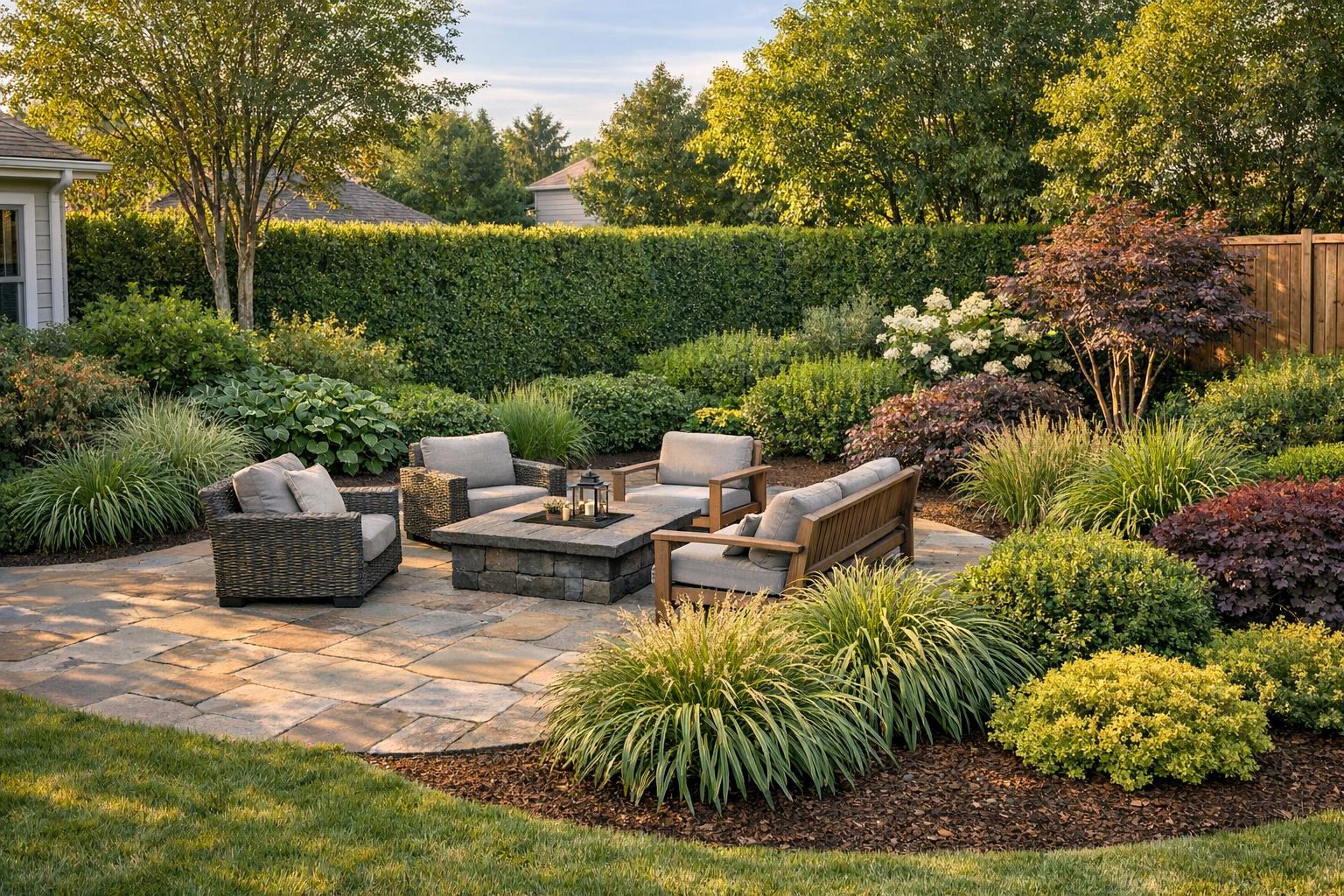
    Residential landscape setup showing plant and hardscape material choices relevant to contractor-supplied versus homeowner-supplied products
    Homeowner-supplied materials can work on some projects, but contractor-managed sourcing often reduces errors around quantity, substitutions, delivery timing, and accountability.

    When homeowner-supplied materials can make sense

    Smaller refreshes, plant purchases, and straightforward decorative materials may be easier for homeowners to handle themselves, especially when they want direct control over a specific look or supplier. It can also make sense when the project is phased slowly and the household wants to spread costs out over time.

    When contractor-managed sourcing is usually easier

    Projects involving bulk delivery, pavers, retaining-wall products, drainage stone, irrigation components, or tightly scheduled installs often benefit from contractor-managed sourcing. It reduces the risk of ordering the wrong amount, getting the wrong product tier, or creating a schedule gap that leaves the crew waiting.

    Compare control against accountability

    Homeowners should ask who is responsible if the product is damaged, delayed, short, or inconsistent. The where-to-buy guide, quote comparison guide, and questions-to-ask guide all help frame that conversation more clearly.

    More specific homeowner planning guides

    Use these deeper guides when the broad project direction is clear and the next decision is about layout, materials, maintenance, or cost tradeoffs.

    Should You Buy Landscaping Materials Yourself or Let the Contractor Supply Them Guide related example showing Landscape beds and groundcover materials relevant to homeowner quantity planning for mulch, soil, and decorative rock
    This materials example gives homeowners a visual reference for comparing layout, materials, and maintenance tradeoffs before starting the project.

  • How to Choose Paver Colors and Finishes Guide for Homeowners

    How to Choose Paver Colors and Finishes Guide for Homeowners

    Choosing paver colors and finishes can feel surprisingly difficult because the surface covers a large part of the yard once installed. A color that looks subtle on a sample board can feel much stronger across a whole patio or walkway. Finish texture, color blend, border contrast, and surrounding materials all influence the final impression.

    That is why homeowners usually get better results when they compare paver choices against the house, trim, planting palette, and intended use of the space instead of treating the surface as an isolated decision.

    Paver surface pattern and tone variation relevant to selecting outdoor hardscape colors and finishes
    Paver selections usually feel more intentional when homeowners compare color range, pattern variation, and surrounding materials instead of choosing from swatches in isolation.

    Start with the house and the wider yard palette

    Pavers should relate to siding, brick, roof tones, fence color, and the other permanent materials already on the property. A choice that clashes with those elements can make the whole space feel off even if the paver itself is attractive.

    Think about finish, wear, and maintenance visibility

    Lighter and darker colors behave differently in sun, show debris differently, and create different amounts of visual contrast. Textured finishes, blended tones, and border details can all change how forgiving the surface feels day to day.

    Use full-surface thinking, not small-sample thinking

    Homeowners should ask to see larger examples, installed photos, or nearby reference projects whenever possible. The paver patio vs stamped concrete guide, patio and walkway materials guide, and quote comparison guide are all useful for that selection stage.

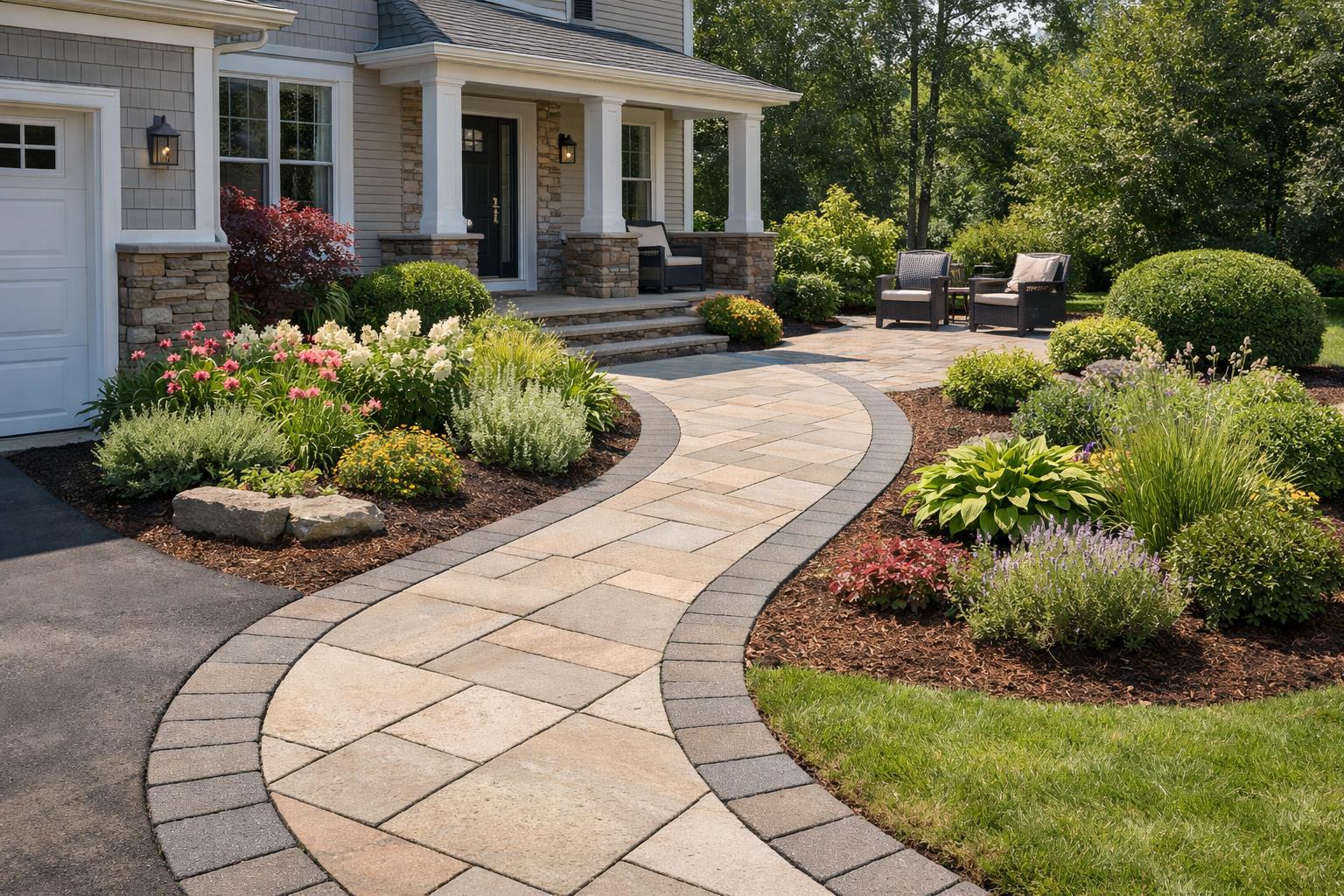
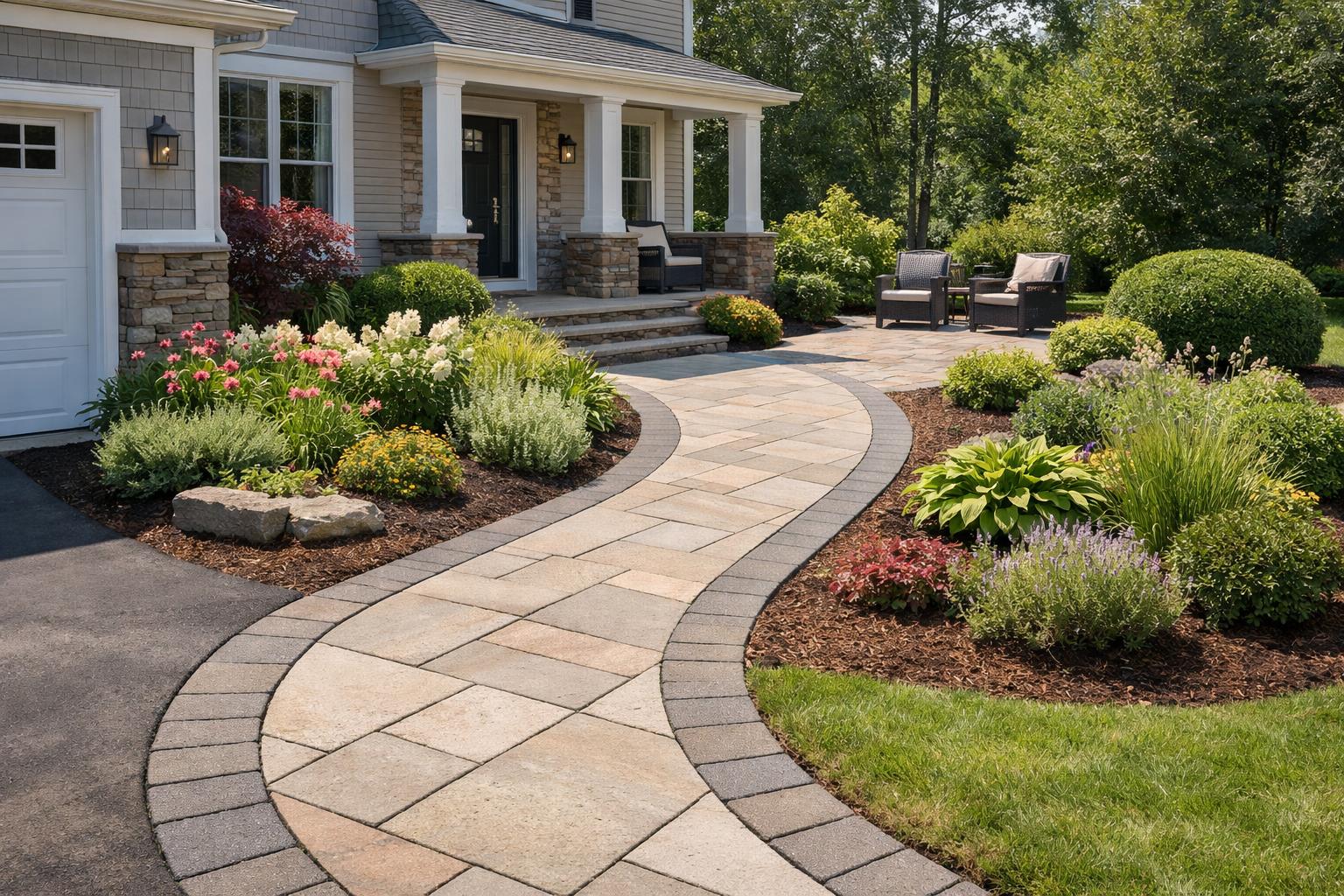
    How to Choose Paver Colors and Finishes Guide for Homeowners related example showing Front entry walkway with edging, planting beds, and material detail relevant to pathway cost planning
    This walkway example gives homeowners a visual reference for comparing layout, materials, and maintenance tradeoffs before starting the project.

    Matching guide: If the project connects to older hardscape, the hardscape matching guide can help avoid disconnected-looking surface choices.

    Sealing guide: Before adding finish treatments, the paver sealing guide helps clarify when sealing actually makes sense.


  • How to Compare Plant Material at a Nursery Guide for Homeowners

    How to Compare Plant Material at a Nursery Guide for Homeowners

    Plant shopping is one of the easiest places for homeowners to oversimplify a landscaping decision. Two plants may carry the same label but look very different in health, shape, size, or long-term suitability. That is why comparing nursery material should involve more than reading a species tag and checking the price.

    The goal is to choose material that is healthy, appropriately sized, and genuinely suited to the site instead of simply choosing the largest plant on the lot.

    Healthy landscape shrubs and screening plants relevant to nursery buying quality comparisons
    Homeowners usually make better nursery decisions when they compare plant structure, visible health, root condition, and site fit instead of choosing only by height or price tag.

    Look at structure and visible health

    Homeowners should pay attention to overall shape, signs of stress, foliage quality, broken branching, obvious dieback, and whether the plant looks balanced. For screening material, spacing and future growth habits matter as much as current height.

    Ask about size, age, and care needs

    Container size, maturity expectations, water needs, and transplant tolerance can all affect how the plant performs after installation. A bigger plant is not always better if the root system or site match is poor.

    Compare nursery quality to project goals

    Plant-buying decisions should still connect back to privacy, maintenance, shade, pollinator support, and visual style. The privacy landscaping guide, garden bed guide, and where-to-buy materials guide all help put nursery choices into context.

    How to Compare Plant Material at a Nursery Guide for Homeowners related example showing Landscape beds and groundcover materials relevant to homeowner quantity planning for mulch, soil, and decorative rock
    This materials example gives homeowners a visual reference for comparing layout, materials, and maintenance tradeoffs before starting the project.

  • How Much Mulch, Soil, and Rock Do You Need Guide for Homeowners

    How Much Mulch, Soil, and Rock Do You Need Guide for Homeowners

    Estimating landscaping materials can feel trickier than it should because products are sold in several different units. Mulch and soil may be discussed by the cubic yard. Decorative rock may be sold by the ton or yard. Bagged materials are sold by volume. The result is that homeowners often know roughly what area they want to cover but are not sure how that converts into an order.

    The most practical way to think about it is area plus depth, not just the footprint of the bed or path.

    Landscape material coverage example showing why depth and surface area matter when estimating mulch, soil, and rock
    Homeowners usually get cleaner orders when they estimate by coverage area, desired depth, and a little waste factor instead of guessing by eye.

    Depth matters as much as square footage

    A bed that needs a thin refresh and a bed that needs full build-back may cover the same footprint but require very different amounts of material. That is why homeowners should think about how deep the product actually needs to be, whether old material remains in place, and whether the project includes grading or bed reshaping.

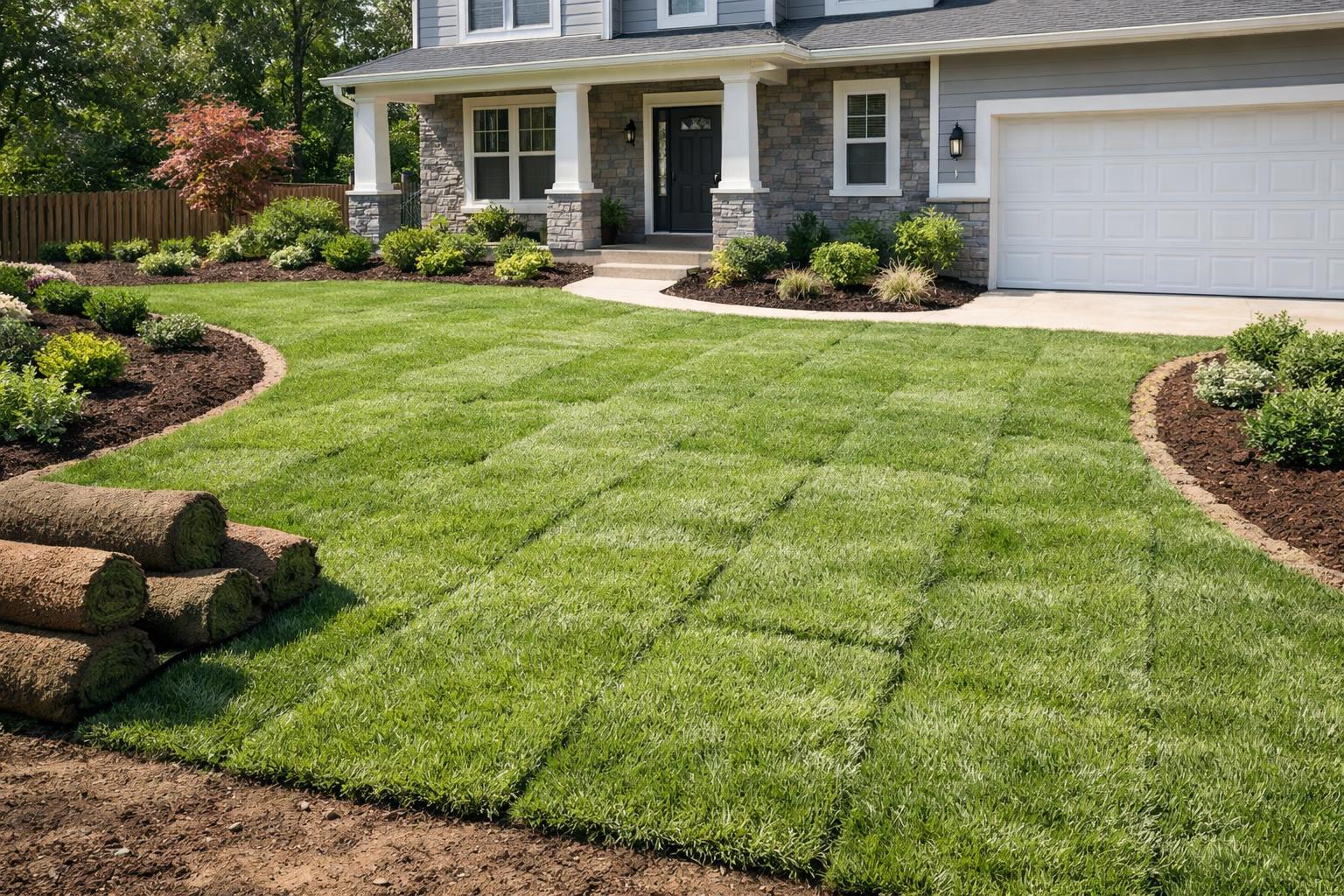
    How Much Mulch, Soil, and Rock Do You Need Guide for Homeowners related example showing Landscape beds and groundcover materials relevant to homeowner quantity planning for mulch, soil, and decorative rock
    This materials example gives homeowners a visual reference for comparing layout, materials, and maintenance tradeoffs before starting the project.

    Leave room for waste and settling

    Orders that are exactly on paper often end up short in practice. Material can settle, coverage may be uneven, and shaped beds usually do not behave like perfect rectangles. A reasonable buffer can save a second order or trip.

    Estimate before comparing suppliers

    It is much easier to compare bulk delivery, bagged pricing, and contractor-supplied material once homeowners know roughly how much product the job needs. The bulk mulch vs bagged mulch guide and where-to-buy guide are natural next reads.


  • Bulk Mulch vs Bagged Mulch Guide for Homeowners

    Bulk Mulch vs Bagged Mulch Guide for Homeowners

    Homeowners often compare bulk mulch and bagged mulch as if they are the same product in two different packages, but the buying experience can feel very different. The right choice usually depends on project size, delivery options, labor tolerance, access, cleanup expectations, and how much flexibility the homeowner wants during installation.

    For smaller refreshes, bagged mulch may be easier to manage. For bigger bed areas, bulk mulch often makes more financial and practical sense.

    Mulched planting bed showing practical landscape application relevant to mulch quantity and delivery decisions
    Mulch buying decisions usually come down to project size, delivery logistics, cleanup tolerance, and whether homeowners need convenience or lower per-yard cost.

    When bulk mulch usually works better

    Bulk mulch often becomes the stronger value when the project covers a meaningful amount of square footage. Delivery can save trips, the per-unit cost is usually lower, and the material is easier to spread efficiently once it is on-site. But it also requires a delivery location, staging space, and a plan for cleanup if too much arrives.

    When bagged mulch may make more sense

    Bagged mulch can be useful for smaller projects, touch-up work, and homes where delivery access is awkward. It may also feel simpler for homeowners doing the work themselves because quantities are easier to control in small increments.

    Compare the whole job, not just sticker price

    Homeowners should compare travel time, delivery fees, leftover material, and labor effort along with unit price. The where-to-buy guide and materials cost guide help make that comparison more realistic.

    Bulk Mulch vs Bagged Mulch Guide for Homeowners related example showing Landscape beds and groundcover materials relevant to homeowner quantity planning for mulch, soil, and decorative rock
    This materials example gives homeowners a visual reference for comparing layout, materials, and maintenance tradeoffs before starting the project.

  • Patio and Walkway Materials Guide for Homeowners

    Patio and Walkway Materials Guide for Homeowners

    Patios and walkways can be built from several different materials that may look similar at first glance but behave very differently over time. Some are easier to repair. Some are more forgiving around movement or settlement. Some feel more formal, while others fit looser, more natural-looking landscape styles. That is why homeowners should compare patio and walkway materials with day-to-day use in mind, not just curb appeal.

    A material that looks great in a photo may not be the best fit for your climate, maintenance preferences, or the way the space will actually be used.

    Concrete, paver, and stone outdoor surfaces showing common patio and walkway material choices for homeowners
    Patio and walkway material decisions are usually strongest when homeowners compare comfort, repairability, drainage response, and appearance together instead of focusing on one feature alone.

    Pavers and manufactured concrete products

    Pavers are popular because they offer a wide range of styles and can often be repaired in sections if a problem develops. They also work well in many design styles. But they depend heavily on good base preparation, edge restraint, and thoughtful layout planning.

    Poured concrete and decorative flatwork

    Poured concrete can be simpler and more economical in some projects, especially when the design is straightforward. Decorative finishes like stamped or colored concrete can change the look significantly, but they also add finish detail and maintenance considerations.

    Natural stone, gravel, and looser-surface options

    Natural stone can create a more custom or higher-end feel, but material and labor requirements may increase. Gravel or decomposed-granite style surfaces may suit some paths well, but they behave differently under foot traffic, furniture, edging, and runoff.

    Patio and Walkway Materials Guide for Homeowners related example showing Front entry walkway with edging, planting beds, and material detail relevant to pathway cost planning
    This walkway example gives homeowners a visual reference for comparing layout, materials, and maintenance tradeoffs before starting the project.

    The paver patio vs stamped concrete guide, concrete vs paver guide, and walkway cost guide all help homeowners compare these decisions more closely.

    Finish guide: Homeowners comparing hardscape appearance can also review the Paver Colors and Finishes Guide before making final selections.