Landscaping Guru

  • What Landscaping Materials Cost Guide for Homeowners

    What Landscaping Materials Cost Guide for Homeowners

    Landscaping material pricing is one of the most confusing parts of outdoor projects because homeowners are often seeing several types of pricing at once. Some materials are sold by the bag, some by the pallet, some by the square foot, and others by the cubic yard or ton. Delivery charges, waste factor, color or style upgrades, and local availability can all shift the final number.

    That is why it helps to think of material cost in terms of both the product itself and the quantity format it is usually sold in.

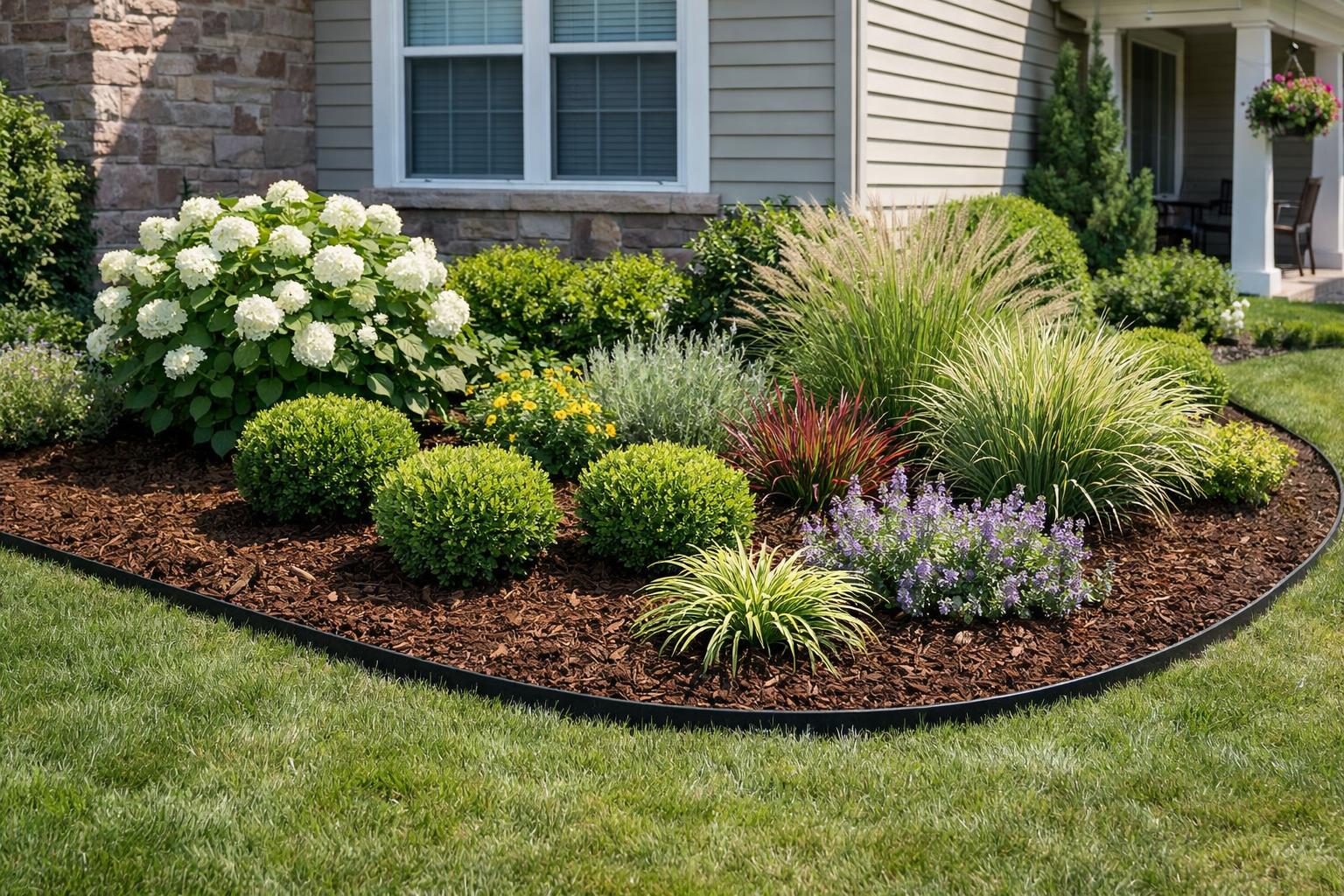
    Landscape surface materials and groundcover choices relevant to homeowner pricing comparisons
    Material pricing often changes quickly once homeowners compare bulk delivery, installation waste, edge detail, and the amount of preparation needed underneath the visible finish.

    Bulk materials versus packaged materials

    Mulch, soil, compost, gravel, and decorative rock are often far more economical in bulk for larger projects, while bagged material may make sense for small refreshes or touch-up work. Homeowners should compare not just the sticker price, but also how much material is actually needed and whether delivery or pickup costs erase the apparent savings.

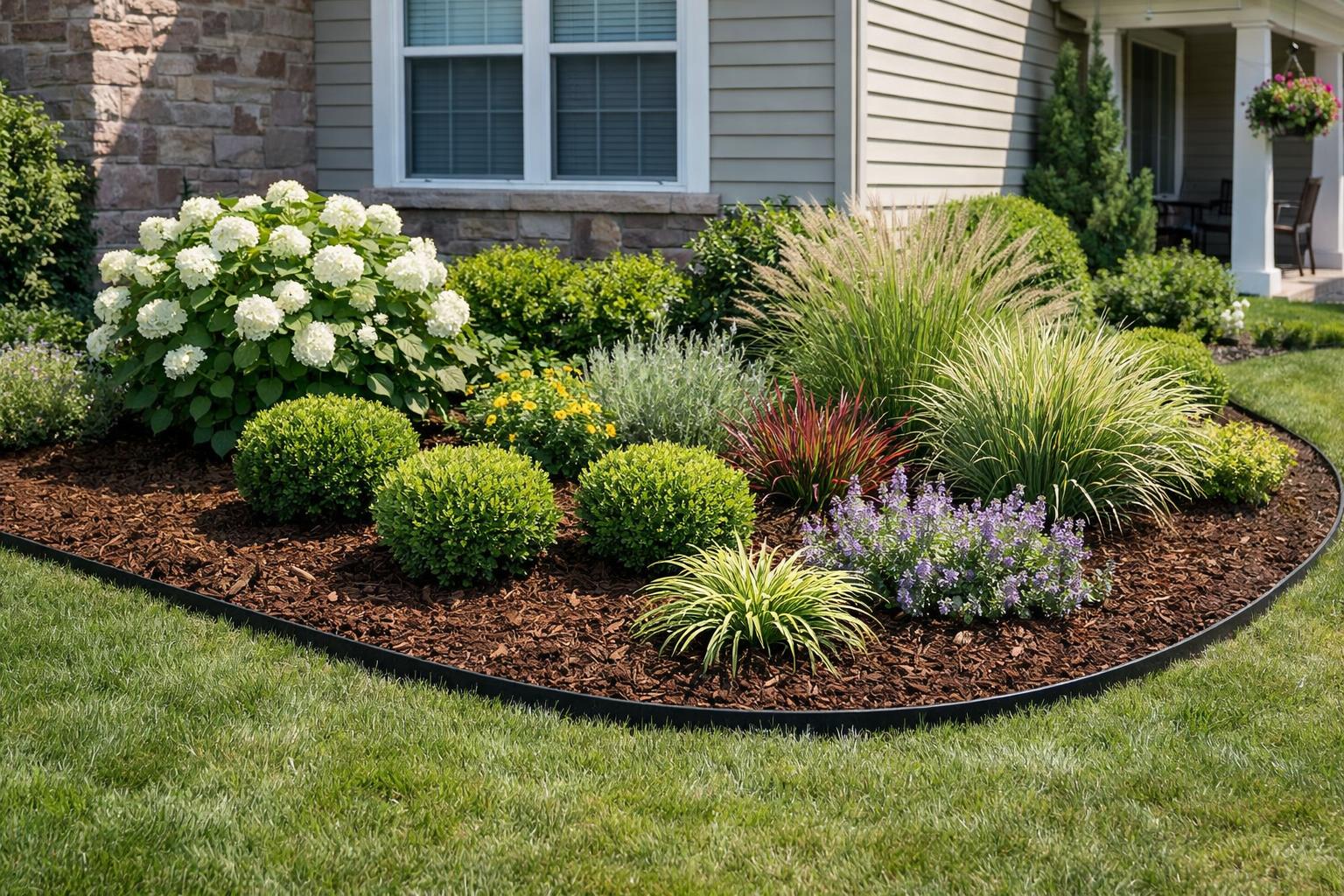
    What Landscaping Materials Cost Guide for Homeowners related example showing Landscape beds and groundcover materials relevant to homeowner quantity planning for mulch, soil, and decorative rock
    This materials example gives homeowners a visual reference for comparing layout, materials, and maintenance tradeoffs before starting the project.

    Hardscape material price differences can be substantial

    Pavers, natural stone, concrete products, wall block, and specialty finishes often sit in very different pricing tiers. Pallet counts, special-order colors, pattern complexity, and regional availability all affect budget. A material that looks similar in a photo can land in a very different installed-price range once labor and waste are included.

    Plants and specialty materials vary by size and season

    Plant pricing often changes with size, container volume, species, and seasonal availability. The same is true for turf, seed blends, lighting fixtures, and irrigation components. Homeowners comparing prices should always ask what size, grade, or product level the quote actually assumes.

    The materials overview guide, where-to-buy guide, and patio and walkway materials guide are useful companion reads when homeowners want a more practical buying plan.

    Estimating guide: The quantity-estimating guide helps translate material pricing into a more realistic order plan.


  • Where to Buy Landscaping Materials Guide for Homeowners

    Where to Buy Landscaping Materials Guide for Homeowners

    Homeowners usually have more buying options for landscaping materials than they first realize. Materials may come from big-box stores, local nurseries, dedicated stone or paver yards, mulch suppliers, bulk soil yards, irrigation suppliers, or directly through the contractor. The best source depends on what the material is, how much is needed, and whether quality, availability, delivery, or convenience matters most.

    That means the right buying source for shrubs is not always the right source for pavers, drainage stone, or bulk mulch.

    Residential planting and landscape materials that reflect homeowner choices between nurseries, yards, and bulk suppliers
    Planting materials, mulch, soil, pavers, and stone often come from different suppliers, so homeowners usually benefit from knowing which vendor type fits each need best.

    Where common materials usually come from

    Plants and smaller garden materials often come from nurseries and garden centers. Pavers, wall block, natural stone, gravel, and larger hardscape materials often come from masonry yards or local landscape supply yards. Bulk mulch, soil, compost, and decorative rock may come from landscape yards that deliver by the yard. Smaller convenience purchases may come from home-improvement stores, but bulk-value and selection often improve when homeowners compare local suppliers.

    Contractor-provided materials versus homeowner-supplied materials

    Some homeowners want to source everything themselves. Others prefer the contractor to handle material ordering. In many cases, contractor-managed sourcing is simpler because it coordinates delivery timing, quantities, substitutions, and accountability. But homeowners still benefit from knowing what the material source is and whether they are comparing like-for-like products across bids.

    Buying decisions should connect back to the project plan

    Before choosing where to buy, homeowners should know what quantities they need, whether delivery is required, and whether the product quality fits the project. The materials cost guide, quote comparison guide, and questions-to-ask guide help make those conversations more useful.

    Where to Buy Landscaping Materials Guide for Homeowners related example showing Landscape beds and groundcover materials relevant to homeowner quantity planning for mulch, soil, and decorative rock
    This materials example gives homeowners a visual reference for comparing layout, materials, and maintenance tradeoffs before starting the project.

    Decision guide: The Bulk Mulch vs Bagged Mulch Guide helps homeowners compare delivery convenience against smaller-lot buying flexibility.

    Bulk-order guide: Homeowners ordering by the yard or ton can use the bulk material questions guide before scheduling delivery.

    Shopping prep: The material shopping prep guide helps homeowners show up with the details suppliers actually need.


  • Landscaping Materials Guide for Homeowners

    Landscaping Materials Guide for Homeowners

    Landscaping materials do much more than change how a yard looks. They influence drainage, surface durability, weed pressure, maintenance needs, comfort underfoot, and how finished the property feels over time. That is why homeowners often get better results when they compare materials by function first and appearance second.

    Some materials are best for structure and hard use. Others work better for planting beds, softer transitions, or low-water goals. The smartest choice is usually the one that fits the site conditions and the amount of upkeep the household can realistically support.

    Landscape bed with stone, mulch, and hardscape materials illustrating common residential landscaping choices
    Homeowners usually get better results when mulch, stone, pavers, soil amendments, and planting materials are chosen as part of one coordinated yard plan.

    Common hardscape materials homeowners compare

    Pavers, poured concrete, natural stone, gravel, decomposed granite, and decorative rock are some of the most common hardscape-related materials used in patios, walkways, driveways, and outdoor-living spaces. Each one has different strengths around cost, appearance, repairability, and surface feel.

    Common softscape and ground-cover materials

    How to Compare Plant Material at a Nursery Guide for Homeowners
    Comparing plant material, mulch, and ground-cover options helps homeowners choose materials that fit both the site and the maintenance plan.

    Mulch, soil blends, compost, decorative rock, sod, seed, turf products, and plant material all play a different role in the landscape. Homeowners often think of these as cosmetic add-ons, but they directly affect moisture retention, weed suppression, root health, yard comfort, and long-term maintenance.

    Think about material systems, not isolated items

    Most landscaping projects work best when materials are selected together. A patio finish affects border detail. Ground-cover choices affect irrigation and maintenance. Soil and mulch choices affect planting performance. The more connected the materials are, the more finished the project tends to feel.

    The guides on where to buy landscaping materials, what landscaping materials cost, and patio and walkway materials help homeowners move from general ideas into more practical decisions.

    Sourcing guide: The contractor-vs-homeowner sourcing guide helps clarify who should handle material ordering on different project types.

    More Landscaping Materials Guides


  • What Affects Privacy Landscaping Cost Guide for Homeowners

    What Affects Privacy Landscaping Cost Guide for Homeowners

    Privacy landscaping can range from a modest screening upgrade to a more substantial planting project that reshapes the feel of a yard. Cost usually depends on plant size, spacing, irrigation needs, soil conditions, layout length, and how quickly the homeowner wants privacy to take shape. A project built around smaller plants may cost less up front but take longer to create screening. Larger material can deliver faster visual impact but usually increases both plant and labor cost.

    That tradeoff is one of the biggest reasons privacy landscaping bids vary so much.

    Layered privacy landscaping with screening plants, mulch beds, and fence-line layout detail
    Privacy landscaping budgets often depend on planting density, plant size, irrigation needs, and how much screening the homeowner wants right away.

    Plant size and density matter

    Evergreens, layered shrub screens, ornamental trees, mixed borders, and tight planting layouts all carry different cost profiles. Homeowners should compare not just species, but also plant size, spacing, and whether the plan is trying to create immediate coverage or long-term growth.

    Irrigation and site conditions can change the budget

    Screening projects often require irrigation updates, soil improvement, grading adjustments, or bed preparation along fences and property edges. If the site is narrow, shaded, sloped, or hard to access, labor and installation complexity may increase.

    Privacy should be planned as a system

    Homeowners often get the best results when privacy landscaping is considered alongside maintenance goals, backyard use, and overall yard design. The privacy landscaping guide, privacy upgrade signs guide, and backyard planning guide all help connect budget decisions to long-term function.

    What Affects Privacy Landscaping Cost Guide for Homeowners related example showing Privacy planting detail relevant to screening strategy, plant spacing, and quote comparison for homeowners
    This privacy example gives homeowners a visual reference for comparing layout, materials, and maintenance tradeoffs before starting the project.

  • What Affects Artificial Turf Cost Guide for Homeowners

    What Affects Artificial Turf Cost Guide for Homeowners

    Artificial turf pricing is often described in broad per-square-foot ranges, but homeowners should expect real project cost to depend on much more than the turf material itself. Excavation, base preparation, grading, drainage, edge detail, and transitions into patios or planting areas all affect the final number. A simple rectangle on a flat site is usually very different from a turf area shaped around slopes, pets, play space, or several yard features.

    That is why turf bids should be compared as installation systems, not just material quotes.

    Backyard artificial turf area with curved edges and patio transitions that affect installation cost
    Artificial turf cost often rises when curved layouts, multiple borders, drainage work, and detailed transitions add labor beyond a simple rectangular install.

    Site prep is one of the biggest cost drivers

    Removing existing lawn, handling weeds or irrigation, adjusting grade, preparing the base, and solving drainage issues can all raise the cost of a turf installation. If the area has pet use, shade issues, tight access, or several borders and curves, labor usually increases as well.

    What Affects Artificial Turf Cost Guide for Homeowners related example showing Sod installation detail relevant to soil preparation, grading, irrigation, and quote comparison for homeowners
    This lawn example gives homeowners a visual reference for comparing layout, materials, and maintenance tradeoffs before starting the project.

    Product choices are only part of the budget

    Turf product quality, infill choices, padding, seam detail, and edging can all influence price, but those material decisions sit on top of site-prep and installation requirements. Homeowners should make sure bids describe both what product is being used and what is happening below it.

    Compare turf to alternatives honestly

    Some homeowners decide turf is worth the investment because it supports low-water goals or easier maintenance. Others prefer sod or planting-based alternatives. The artificial turf installation guide, turf vs natural grass guide, and sod vs seed guide help put those options in context.


  • Artificial Turf Installation Guide for Homeowners

    Artificial Turf Installation Guide for Homeowners

    Artificial turf projects appeal to homeowners who want a cleaner-looking lawn area with less watering, mowing, and seasonal recovery work. The surface may look simple from a distance, but turf installation depends heavily on what happens underneath it. Base preparation, grading, drainage, seams, and edge detail all affect whether the area looks clean and performs well over time.

    That is why homeowners should think of turf as a real installation project rather than a cosmetic roll-out.

    Artificial turf installation detail showing seams, edging, and clean transitions beside patio and planting areas
    Artificial turf usually performs better when seams, edging, drainage, and surface transitions are handled as carefully as the turf product itself.

    Base preparation is a major part of the job

    Most artificial turf installations start with removal of existing lawn or surface material, excavation, grading, base preparation, and drainage planning. If the yard has low spots, runoff issues, pet-use concerns, or awkward transitions into patios, beds, or walkways, those conditions often shape the project more than the turf product itself.

    Edge detail and seams affect the finished look

    Homeowners often focus on turf color and feel, but edge treatment, seam quality, and transitions into nearby landscape elements are just as important. A turf area that meets borders, stepping stones, or play space cleanly usually reads much better than a project that treats those details as an afterthought.

    Turf should fit the broader yard plan

    Artificial turf is often part of a bigger decision around maintenance, pets, kids, drainage, or low-water planning. The artificial turf vs natural grass guide, low-water landscaping guide, and questions-to-ask guide are useful next reads when homeowners are still deciding whether turf is the right fit.

    Artificial Turf Installation Guide for Homeowners related example showing Sod installation detail relevant to soil preparation, grading, irrigation, and quote comparison for homeowners
    This lawn example gives homeowners a visual reference for comparing layout, materials, and maintenance tradeoffs before starting the project.

    Quote guide: The artificial turf quote guide helps homeowners compare drainage, base depth, seams, infill, and edge detail across bids.

    Timeline guide: The artificial turf timeline guide helps homeowners compare removal, base prep, turf installation, and final-detail timing.

    Expectations guide: The artificial turf expectations guide helps homeowners understand the messy prep phase before the finished surface appears.

    Mistakes guide: The artificial turf planning mistakes guide helps homeowners catch drainage, base, seam, and maintenance mistakes early.

    Maintenance guide: The artificial turf maintenance guide helps homeowners stay ahead of debris, odor, seam, and edge issues.

    Warning signs guide: The artificial turf attention signs guide helps homeowners judge seam, odor, edge, drainage, and wear issues before they spread.


  • What Affects Walkway and Pathway Cost Guide for Homeowners

    What Affects Walkway and Pathway Cost Guide for Homeowners

    Walkway and pathway costs depend on more than the visible surface. Homeowners often compare projects by square footage alone, but a path price usually reflects excavation, base preparation, layout shape, edging, drainage handling, and how the walkway ties into the rest of the yard. A straight path from driveway to front door is different from a winding backyard connection through beds, slopes, and outdoor living areas.

    The more the path has to solve access, grade, or design transitions, the more the cost reflects broader site work instead of just surface materials.

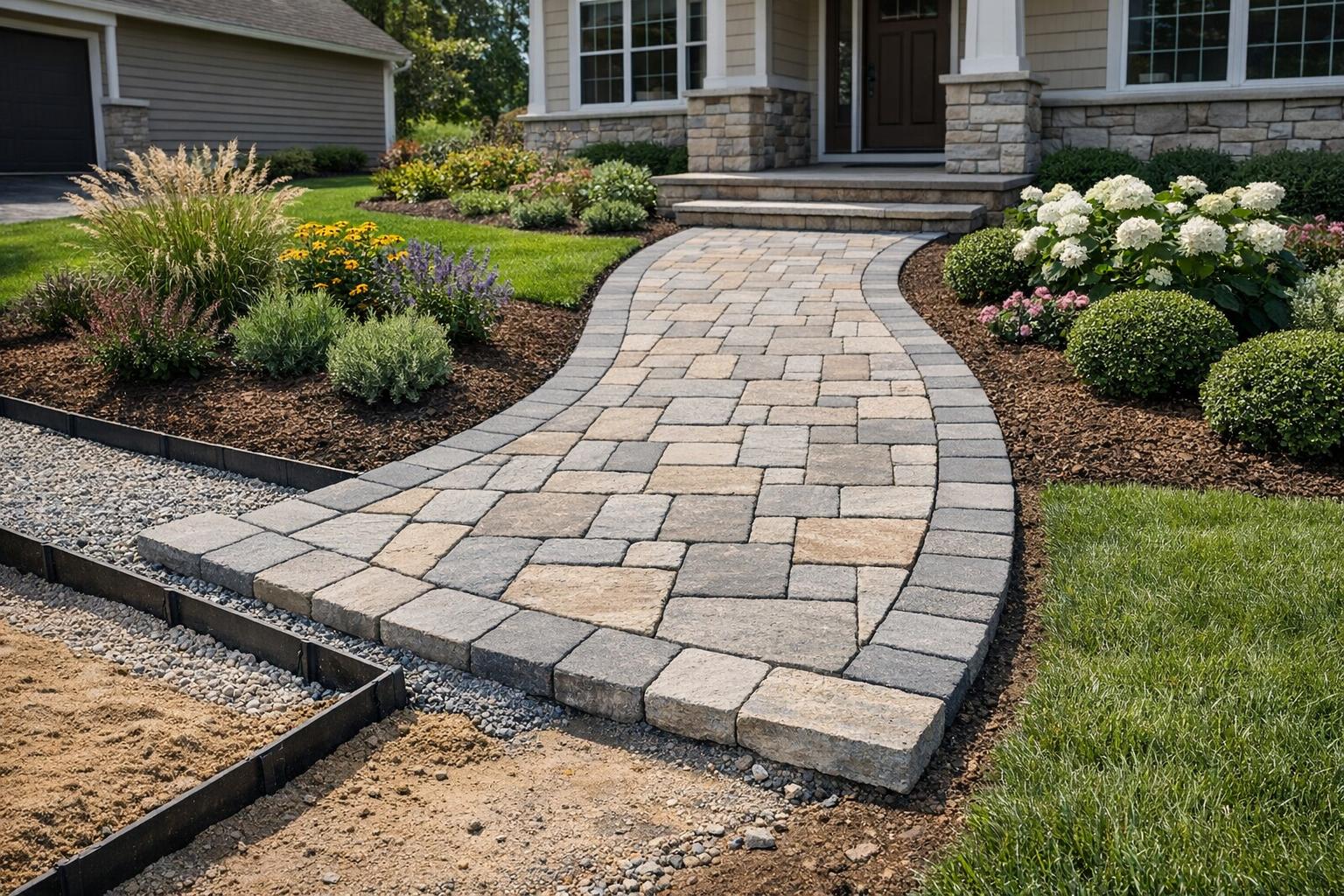
    Front entry walkway with edging, planting beds, and material detail relevant to pathway cost planning
    Walkway budgets often shift with material detail, edging, curves, and how the path connects to entries, beds, and adjacent hardscape.

    Material and layout both affect price

    Pavers, natural stone, poured concrete, gravel, and stepping-stone style paths all carry different labor and material profiles. Curves, borders, steps, widened landings, and transitions to patios or driveways can also add cost because they increase cuts, finishing detail, and site time.

    Preparation under the surface matters

    Excavation, base depth, edging, drainage corrections, and tie-ins to nearby hardscape often affect price as much as the top material. If the walkway crosses slopes, poor drainage areas, or tree-root zones, the project can become more complex quickly.

    Connect cost to function

    Homeowners comparing bids should look at what the path is meant to do: improve entry flow, connect a patio, manage grade changes, or support year-round use. The walkway and pathway installation guide, landscape lighting guide, and quote comparison guide all help homeowners compare scope more accurately.

    What Affects Walkway and Pathway Cost Guide for Homeowners related example showing Residential walkway and pathway installation scene with pavers, edging, and landscape bed context
    This walkway example gives homeowners a visual reference for comparing layout, materials, and maintenance tradeoffs before starting the project.

    Materials pricing: The Landscaping Materials Cost Guide helps connect path-surface decisions to broader yard-material budgets.


  • How to Prepare for a Landscaping Crew Guide

    How to Prepare for a Landscaping Crew Guide

    Landscaping projects usually go more smoothly when homeowners prepare for the crew before the first day of work. The goal is not to overmanage the job. It is to reduce avoidable confusion around access, site use, pets, parked cars, utilities, and the practical details that affect how the crew can move through the property. Small preparation steps can make the project feel much less stressful.

    Most crews do not need perfection from the homeowner. They just need the site to be workable and the communication to be clear.

    Think through access and site use

    Before work starts, homeowners should know where the crew is expected to enter, where materials may be staged, and whether any gates, driveways, patios, or walkways need to stay clear. If the site is tight or the project area is in the backyard, access planning matters even more.

    How to Prepare for a Landscaping Crew Guide related example showing Landscape beds and groundcover materials relevant to homeowner quantity planning for mulch, soil, and decorative rock
    This materials example gives homeowners a visual reference for comparing layout, materials, and maintenance tradeoffs before starting the project.

    Pets, kids, and daily routines matter

    Households with pets or children usually benefit from thinking ahead about which parts of the yard will be off-limits during work and how daily routines may need to shift. That is especially important for projects involving excavation, open trenches, or ongoing noise and movement through the yard.

    Clarify expectations before day one

    Homeowners should know the rough start window, who the point of contact is, how change questions will be handled, and whether utilities, irrigation, or existing site features need special attention. The project expectations guide and questions-to-ask guide are useful companions here because preparation is often easier when expectations have already been discussed clearly.

    How to Prepare for a Landscaping Crew Guide related example showing Landscape beds and groundcover materials relevant to homeowner quantity planning for mulch, soil, and decorative rock
    This related materials detail helps show how site conditions and finish choices can change the homeowner's plan.

  • What to Expect During Outdoor Kitchen Installation Guide

    What to Expect During Outdoor Kitchen Installation Guide

    Outdoor kitchen projects often feel more complex than homeowners first expect because they combine hardscape, utility work, structure, finish surfaces, and appliance installation in one backyard build. Even when the final space looks clean and simple, the installation usually moves through several phases that affect access, noise, yard disruption, and scheduling.

    Knowing what to expect helps homeowners plan better and compare bids more realistically.

    Early steps usually focus on prep and utilities

    Many outdoor kitchens start with site prep, patio adjustments, trenching, or utility rough-in before the visible kitchen structure begins to take shape. If gas, electrical, or plumbing are involved, those early steps can be a major part of the project.

    What to Expect During Outdoor Kitchen Installation Guide related example showing Outdoor kitchen construction detail relevant to utility work, finish scope, and quote comparison for homeowners
    This outdoor kitchen example gives homeowners a visual reference for comparing layout, materials, and maintenance tradeoffs before starting the project.

    The structure and surfaces follow

    Once the site is ready, the project usually moves through the main structure build, surface finishes, counter work, and preparation for appliances or storage components. If the kitchen ties into seating, lighting, privacy, or a broader backyard redesign, those elements can overlap with the kitchen schedule.

    What to Expect During Outdoor Kitchen Installation Guide related example showing Outdoor kitchen installation scene showing structure, counters, appliances, and patio work in progress
    This related outdoor kitchen detail helps show how site conditions and finish choices can change the homeowner's plan.

    Final steps often include testing and cleanup

    Appliance installation, utility testing, cleanup, and final punch-list items usually come near the end. The broader outdoor kitchen guide, outdoor kitchen cost guide, and project expectations guide all help fill in the bigger picture around this process.


  • How Long Does a Retaining Wall Project Take Guide

    How Long Does a Retaining Wall Project Take Guide

    Retaining wall timelines vary more than homeowners often expect because the visible wall face is only part of the construction process. Excavation, drainage, reinforcement, site access, engineering, and the pressure the wall is meant to handle can all affect how long the project takes. A short decorative wall and a taller structural retaining wall may look related but move on very different schedules.

    The more the wall is tied to slope correction or water management, the more the project tends to reflect broader site work instead of just material installation.

    What takes time in a retaining wall project

    Excavation, base preparation, drainage handling, backfill, reinforcement detail, and cleanup all shape the schedule. If the site is steep, tight, or already finished around the wall area, the project may take longer because the crew has less room to work and more restoration to handle.

    How Long Does a Retaining Wall Project Take Guide related example showing Retaining wall detail relevant to planning mistakes, drainage, and grade behavior
    This retaining wall example gives homeowners a visual reference for comparing layout, materials, and maintenance tradeoffs before starting the project.

    Engineering and permits can extend the timeline

    Some walls move quickly because they stay within simpler site conditions. Others need engineering, permits, or more careful drainage planning, which can extend the timeline before installation even begins. The permit guide and retaining wall guide help clarify that early planning stage.

    Timeline depends on more than block stacking

    Homeowners comparing schedules should focus on the whole job: excavation, drainage, reinforcement, site restoration, and whether the wall is part of a bigger drainage or grading project. The retaining wall cost guide is a good companion because many of the same complexity factors affect both price and timeline.

    How Long Does a Retaining Wall Project Take Guide related example showing Residential retaining wall project showing slope, wall materials, and site conditions that affect cost
    This related retaining wall detail helps show how site conditions and finish choices can change the homeowner's plan.