Costs and Expectations

Cost and expectation guides focused on budgeting, lifespan, replacement decisions, and the real factors that shape landscaping quotes.

Start with the service type

Landscaping Services Guideposts

Use these guides to understand what each service includes before comparing providers or requesting quotes.

Core service explainers

Start here when you are still deciding what kind of landscaper or outdoor contractor you need.

Compare before you hire

Use these pages when two services or surface choices sound similar but lead to different scopes.

Hire smarter

Planning And Contractor Comparison

Use this hub when you are moving from ideas into estimates, bids, and contractor conversations.

Before requesting estimates

These guides help define scope and compare companies before the first site visit.

Budget with better assumptions

Cost Guides And Calculators

Use this hub to move from rough budget ranges into the details that usually change quotes.

Calculator starting points

Open the calculator hub or a cost guide when you need a quick planning range.

High-impact cost decisions

These pages help compare choices where price, lifespan, and maintenance tradeoffs matter.

Understand the build

Installation And Site-Work Pathways

Use these guides to understand sequencing, site prep, access, and the details that affect long-term performance.

Hardscape and site prep

These projects often depend on base prep, demolition, grading, drainage, and access.

Drainage and retaining work

Use these when water, grade, or slope stability is part of the project.

Choose materials with ownership in mind

Material And Finish Decision Paths

Use these guides when appearance, maintenance, replacement, and budget all affect the right material choice.

Surface and finish comparisons

Compare outdoor surfaces before committing to a driveway, patio, or lawn direction.

Landscape material planning

Use these pages when quantity, delivery, or long-term maintenance are the main concern.

Protect the investment

Maintenance And Ownership Next Steps

Use these guides to understand ongoing care, seasonal refreshes, and when maintenance points to a bigger fix.

Maintenance planning

These guides help compare recurring service, seasonal work, and refresh projects.

When upkeep becomes repair

Use these when repeated maintenance problems suggest drainage, surface, or material issues.

  • What Affects Patio Cost Guide for Homeowners

    What Affects Patio Cost Guide for Homeowners

    Patio cost is shaped by far more than the visible surface. Homeowners often compare pavers, stamped concrete, or other finishes and assume the material itself is the main pricing difference. In reality, site preparation, drainage, access, shape, borders, and how the patio connects to the rest of the yard often matter just as much.

    That is why two patios with similar square footage can still come in at very different numbers. The more clearly homeowners understand the underlying cost drivers, the easier it is to compare quotes fairly.

    Size is only the starting point

    Larger patios generally cost more because they use more labor and material, but size alone does not explain the whole picture. Layout complexity, curves, borders, steps, and transitions into lawn or planting can all increase labor compared with a simple rectangular surface.

    What Affects Patio Cost Guide for Homeowners related example showing Concrete, paver, and stone outdoor surfaces showing common patio and walkway material choices for homeowners
    This patio example gives homeowners a visual reference for comparing layout, materials, and maintenance tradeoffs before starting the project.

    Base prep and drainage often drive real cost

    A patio that needs significant excavation, grade correction, drainage improvement, or a stronger base system is usually more involved than one on a simple stable site. Those hidden parts of the project often have a bigger effect on long-term performance than the decorative finish on top.

    What Affects Patio Cost Guide for Homeowners related example showing Residential fire pit area with patio, seating, and layout details that affect project cost
    This related patio detail helps show how site conditions and finish choices can change the homeowner's plan.

    The patio installation guide and patio replacement guide both help explain why base and drainage matter so much.

    Material choice changes look and labor

    Pavers, stamped concrete, and other finishes carry different material costs, repair expectations, and installation patterns. The patio material comparison guide is useful here because the right material choice is connected to more than price alone.

    Access and surrounding work can raise the quote

    Access constraints, haul-off, wall ties, lighting, fire features, or adjacent planting work can all change the scope around a patio. Homeowners who compare patio quotes should be careful not to treat the surface area as the entire project if the patio is really part of a broader backyard plan.

    Estimate the patio cost range

    Use this calculator to test patio size, paver tier, demolition, layout complexity, and border details before comparing formal quotes.

    Paver Patio Cost Calculator

    Estimate patio cost ranges using size, paver tier, prep complexity, and demolition assumptions.


  • What Affects Retaining Wall Cost Guide for Homeowners

    What Affects Retaining Wall Cost Guide for Homeowners

    Retaining wall costs vary widely because the wall itself is only part of the project. Homeowners often focus on the visible face material, but the biggest cost drivers are usually height, drainage needs, excavation, access, site pressure, and whether engineering or reinforcement is required. Two walls that look similar from the front can be priced very differently once the full site conditions are understood.

    The goal when reviewing cost is not to memorize exact price ranges. It is to understand what makes one retaining wall project simpler and another much more involved.

    Height and site pressure are major factors

    Taller walls usually cost more not just because they use more material, but because they often involve more excavation, more backfill detail, more reinforcement, and sometimes engineering or permit requirements. A short decorative wall and a wall holding back meaningful grade are very different projects even if both are called retaining walls.

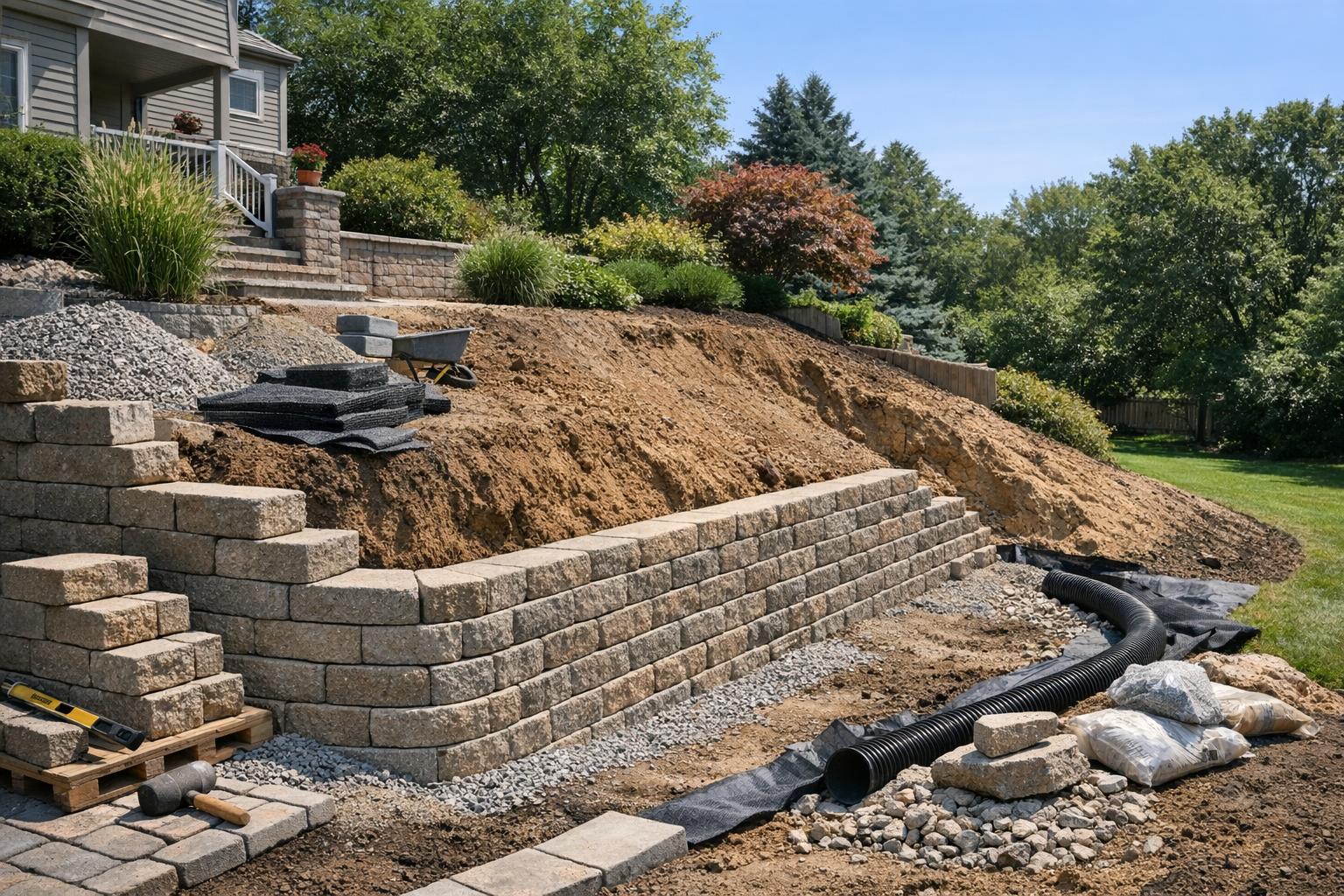
    What Affects Retaining Wall Cost Guide for Homeowners related example showing Retaining wall detail relevant to planning mistakes, drainage, and grade behavior
    This retaining wall example gives homeowners a visual reference for comparing layout, materials, and maintenance tradeoffs before starting the project.

    Drainage detail matters

    Drainage is one of the most important cost drivers because water pressure behind a wall can affect long-term performance. If the site has runoff or slope-water issues, the wall may need more than a simple material stack. That is why retaining wall costs often connect directly to the drainage guide and retaining wall warning-sign guide.

    What Affects Retaining Wall Cost Guide for Homeowners related example showing Retaining wall detail relevant to project expectations, excavation, and drainage work
    This related retaining wall detail helps show how site conditions and finish choices can change the homeowner's plan.

    Access, excavation, and haul-off add up quickly

    Sites that are hard to reach, steep, or tight around structures often cost more because moving material, excavating safely, and hauling soil or debris becomes more labor intensive. Homeowners sometimes underestimate how much the site itself drives the quote.

    Material and engineering choices change the scope

    Wall systems, finishes, and engineering requirements all affect cost. The block vs poured concrete guide is useful here because material choice is only one part of the price conversation. The broader retaining wall guide explains why installation detail often matters more than homeowners first expect.


  • Signs a Retaining Wall May Be Failing Guide

    Signs a Retaining Wall May Be Failing Guide

    Retaining walls are built to manage soil pressure, grade change, and sometimes drainage, so even small signs of movement should be taken seriously. Homeowners may notice a wall leaning, cracking, bulging, or separating over time and assume it is only cosmetic. In many cases, those are early warnings that the wall is under stress or that water is creating pressure behind it.

    The earlier these signs are recognized, the more options homeowners may have before the problem becomes more disruptive.

    Common warning signs

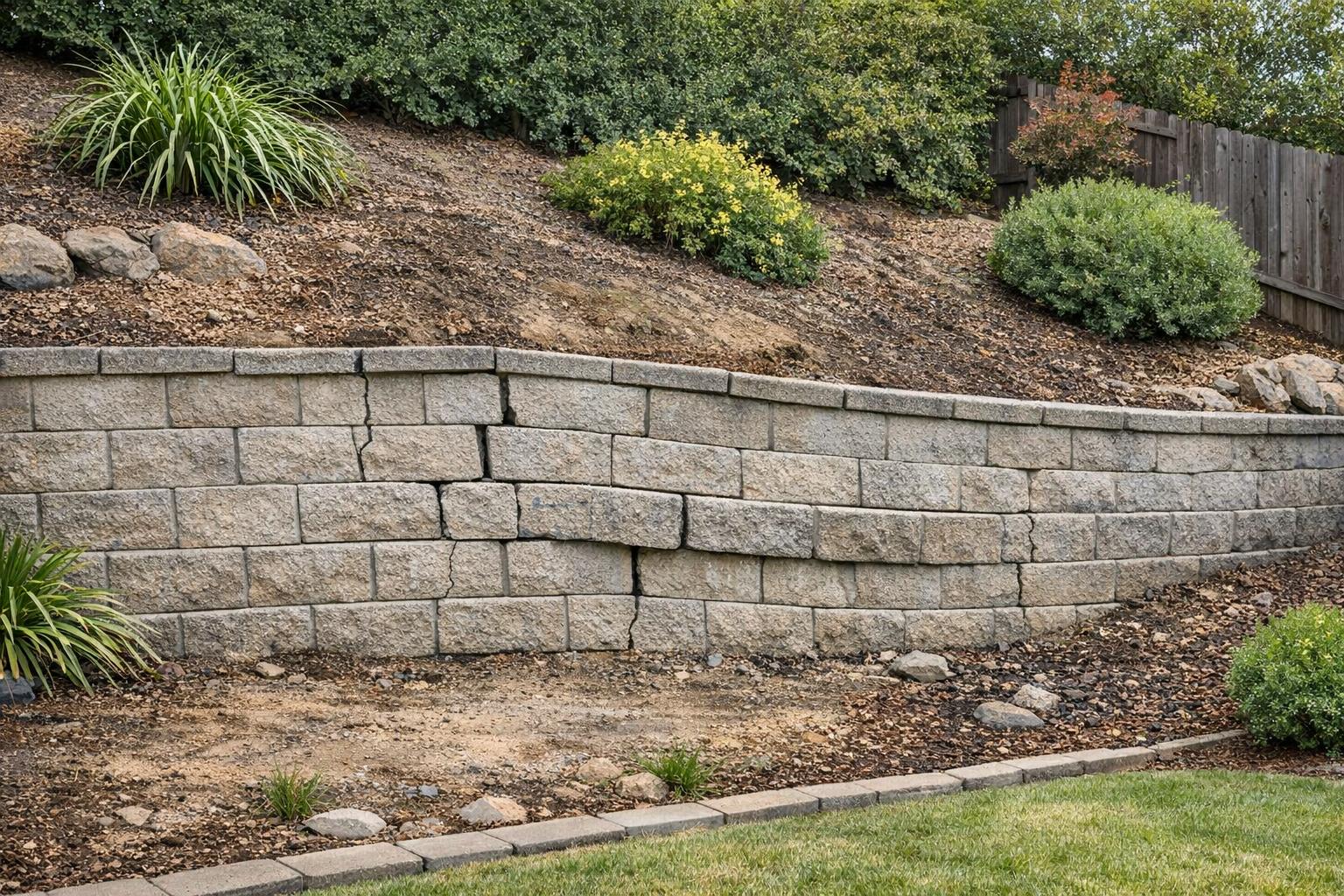
    Bulging sections, leaning, cracks, soil loss behind the wall, drainage stains, or separation between parts of the structure are all signs worth evaluating. Some walls also show trouble through the surrounding yard, such as pooling water, shifting grade, or planting that appears unstable near the wall line.

    Signs a Retaining Wall May Be Failing Guide related example showing Retaining wall detail relevant to planning mistakes, drainage, and grade behavior
    This retaining wall example gives homeowners a visual reference for comparing layout, materials, and maintenance tradeoffs before starting the project.

    Why drainage often matters

    Retaining wall problems are often tied to water. If pressure builds behind the wall because drainage is poor, the structure can begin to move even if the visible face still looks mostly intact. That is why homeowners often need to look at both the wall and the broader drainage pattern together.

    Signs a Retaining Wall May Be Failing Guide related example showing Retaining wall detail relevant to leaning, cracking, and warning signs
    This related retaining wall detail helps show how site conditions and finish choices can change the homeowner's plan.

    The retaining wall guide, wall material comparison guide, and drainage guide all help frame what the next conversation should look like.

    When to move from observation to action

    If the wall is visibly changing, affecting nearby hardscape, or connected to water issues that are getting worse, it is time to move beyond observation and get the situation evaluated. Homeowners do not need to know the exact engineering cause first, but they do need to avoid assuming the problem will stay cosmetic on its own.


  • Signs Your Irrigation System Needs Attention Guide

    Signs Your Irrigation System Needs Attention Guide

    An irrigation system does not have to be completely broken to be a problem. In many yards, the warning signs are subtle at first: dry lawn patches, water hitting the wrong surfaces, runoff near beds, or planting that looks stressed even though the system is running. These small inconsistencies can slowly make the yard harder to maintain and more expensive to keep looking healthy.

    Because irrigation issues often build gradually, homeowners sometimes assume the problem is the plant material or weather when the real issue is uneven coverage or poor system adjustment.

    Common warning signs

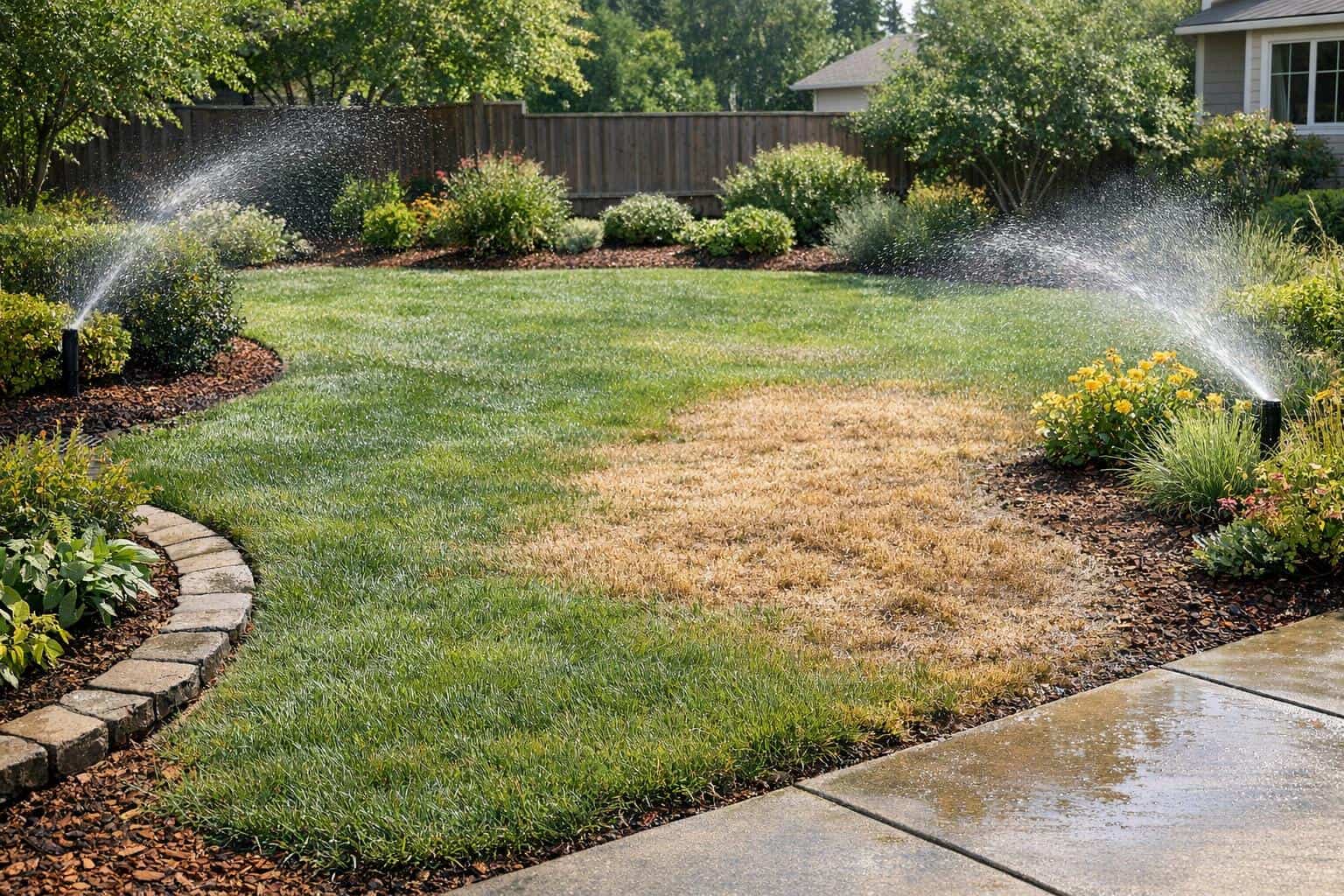
    Uneven lawn color, recurring dry spots, water pooling near heads, overspray onto sidewalks or patios, and planting areas that stay too wet or too dry are some of the clearest clues. If one part of the yard looks stressed while another looks overwatered, the system likely needs attention.

    Why small irrigation problems matter

    Poor irrigation can waste water, increase maintenance, and shorten the life of planting or turf improvements. It can also complicate other goals, especially in yards trying to reduce water use or support new planting. That is why irrigation issues often overlap with the low-water guide and summer maintenance guide.

    Signs Your Irrigation System Needs Attention Guide related example showing Irrigation detail relevant to controller checks, head alignment, and maintenance
    This irrigation example gives homeowners a visual reference for comparing layout, materials, and maintenance tradeoffs before starting the project.

    What to review next

    Homeowners should note which zones are struggling, whether runoff appears during watering, and whether some heads seem to spray incorrectly or miss important areas. The broader irrigation system guide covers the bigger planning picture and helps connect these symptoms to longer-term fixes.

    Signs Your Irrigation System Needs Attention Guide related example showing Lawn detail relevant to thinning, irrigation stress, and warning signs
    This related irrigation detail helps show how site conditions and finish choices can change the homeowner's plan.

  • Signs It Is Time to Replace a Patio Guide

    Signs It Is Time to Replace a Patio Guide

    Patios can often be repaired, refreshed, or re-leveled, but not every problem is worth patching repeatedly. In some yards, an older patio stops working because the layout is wrong, drainage is poor, the surface has settled too much, or the visible wear is a sign of deeper construction problems. The challenge for homeowners is knowing when a patio still makes sense to repair and when replacement is the cleaner long-term choice.

    That decision usually comes down to function as much as condition. A patio that looks dated but still drains, sits level, and supports the way you use the yard may not need full replacement. A patio that creates pooling water, trip hazards, or an awkward layout may need a bigger rethink.

    Signs repairs may no longer be enough

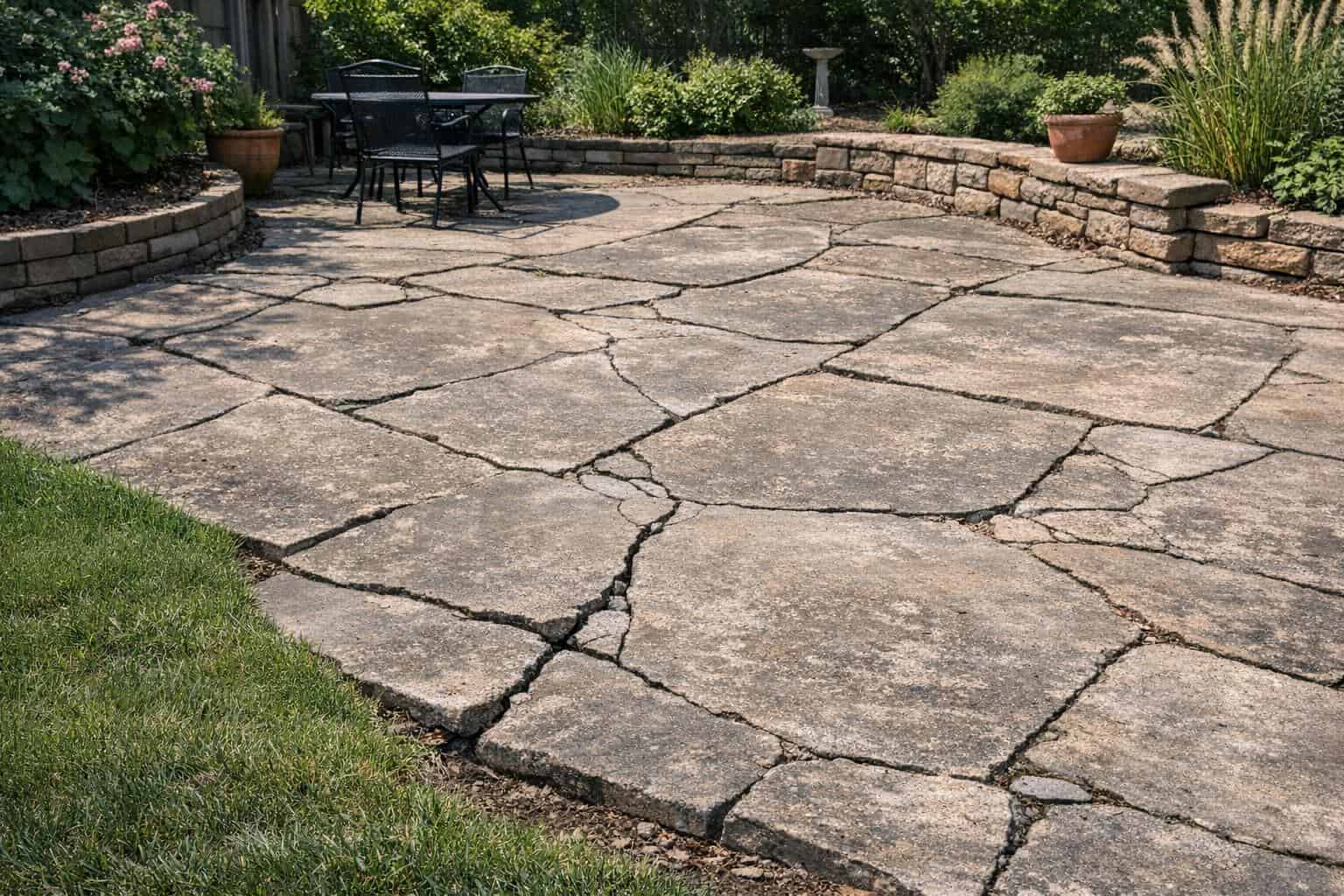
    Repeated cracking, major settlement, uneven sections, poor drainage around the surface, or movement that keeps returning after small fixes are common signs that replacement deserves consideration. If the patio no longer fits the current backyard plan, that can also be a reason to rebuild instead of patching what is there.

    Look beyond the visible surface

    Homeowners should ask whether the problem is only cosmetic or whether the base, drainage, and layout are contributing. A patio surface can fail early if water is not moving correctly or if surrounding grade and circulation were never handled well in the first place. That is why the patio installation guide and patio material comparison guide can help frame a smarter rebuild decision.

    Signs It Is Time to Replace a Patio Guide related example showing Concrete, paver, and stone outdoor surfaces showing common patio and walkway material choices for homeowners
    This patio example gives homeowners a visual reference for comparing layout, materials, and maintenance tradeoffs before starting the project.

    When replacement can be the better investment

    If a patio has recurring drainage issues, persistent movement, or no longer supports how the backyard is used, replacement can be more cost-effective than layered repairs. Homeowners already planning broader changes like lighting, privacy, fire features, or outdoor kitchens should also consider whether patio replacement makes more sense as part of a larger backyard upgrade.

    Signs It Is Time to Replace a Patio Guide related example showing Backyard patio comparison showing paver surface and stamped concrete surface
    This related patio detail helps show how site conditions and finish choices can change the homeowner's plan.

  • Signs You Need Better Yard Drainage Guide

    Signs You Need Better Yard Drainage Guide

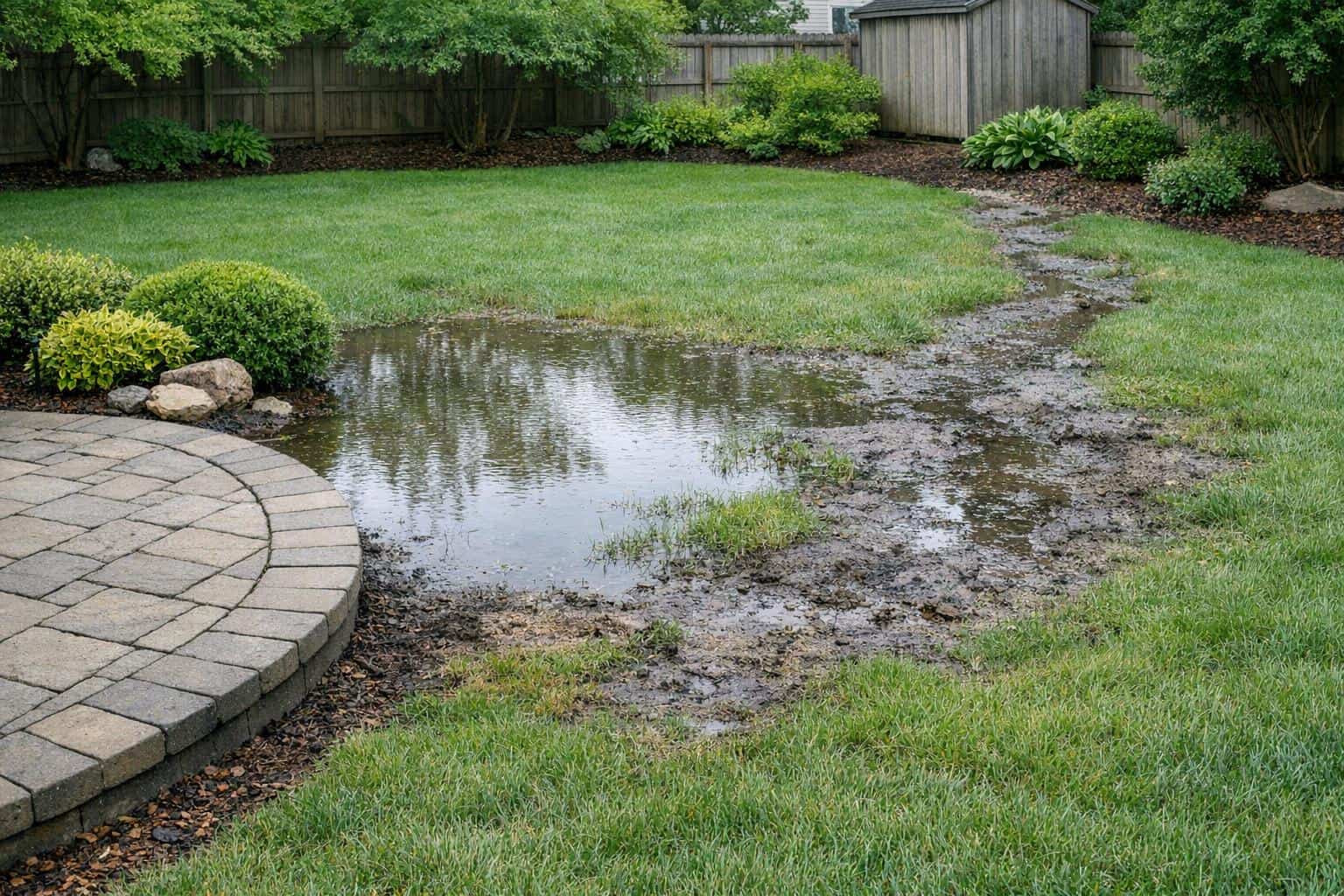
    Drainage problems rarely begin with a dramatic failure. More often, they show up as small but repeated warning signs: soggy lawn areas, water sitting too long after rain, mulch washing out, patio edges staying messy, or planting that never seems to thrive. Homeowners sometimes tolerate these issues for years because they seem normal, but repeated water trouble usually means the yard needs more than routine maintenance.

    The earlier drainage problems are recognized, the easier they are to solve cleanly. Waiting too long can lead to more visible site damage, stressed planting, and hardscape problems that are more expensive to correct.

    Common drainage warning signs

    One of the clearest signs is standing water that lingers after rain or irrigation. Other clues include lawn areas that stay muddy, runoff cutting channels through beds, water collecting near patios or foundations, and soil washing out of planted areas. If parts of the yard are regularly unusable because they stay wet, that is a practical sign of a larger drainage issue.

    Signs You Need Better Yard Drainage Guide related example showing Drainage detail relevant to pooling, runoff shifts, and warning signs
    This drainage example gives homeowners a visual reference for comparing layout, materials, and maintenance tradeoffs before starting the project.

    Some homeowners also notice the problem indirectly through erosion, plant decline, or recurring maintenance work that never seems to fix the underlying mess.

    Why drainage problems should be addressed early

    Water issues can affect more than the lawn. Poor drainage may shorten the life of hardscape, make walkways or patios messier, weaken some slopes, and create frustration in any part of the yard meant for entertaining or daily use. That is why drainage concerns often overlap with the grading guide and erosion control guide.

    Signs You Need Better Yard Drainage Guide related example showing Drainage detail relevant to planning mistakes, runoff diagnosis, and grading decisions
    This related drainage detail helps show how site conditions and finish choices can change the homeowner's plan.

    What to do next

    Homeowners do not need to diagnose the exact solution first, but they should identify where water is collecting, how often it happens, and whether site slope, hardscape, or downspout discharge may be contributing. The broader drainage solutions guide and drainage vs regrading comparison are the natural next steps once the warning signs are clear.


  • Small Backyard Landscaping Ideas Guide for Homeowners

    Small Backyard Landscaping Ideas Guide for Homeowners

    Small backyards can become some of the most satisfying landscape projects because every decision matters. In a compact yard, layout, circulation, and visual openness are more important than the number of features you can fit. The wrong choices can make the yard feel crowded quickly. The right ones can make a limited space feel purposeful, usable, and surprisingly generous.

    Instead of trying to copy a large-yard design into a smaller footprint, it helps to think about what the backyard really needs to do. A small patio, flexible seating, layered planting, privacy, and clean circulation often matter more than adding multiple competing features.

    Keep the layout simple

    Small yards usually benefit from fewer, clearer zones. Too many changes in level, edging, or material can make the space feel busy. A simple patio or seating area, one main open zone, and a strong planted boundary often creates a cleaner result than a more fragmented layout.

    Small Backyard Landscaping Ideas Guide for Homeowners related example showing Small Backyard Landscaping detail relevant to warning signs, wear, and maintenance decisions
    This backyard example gives homeowners a visual reference for comparing layout, materials, and maintenance tradeoffs before starting the project.

    That is why the broader backyard planning guide is still useful even for compact spaces. The planning principles matter just as much, if not more.

    Use privacy without closing the yard in

    Small yards often need privacy, but solid screening everywhere can make them feel tighter. Layered planting, selective screening, and lighting can soften boundaries while keeping the yard open. The goal is to create comfort without turning the yard into a visual box.

    The privacy landscaping guide helps compare softer screening approaches that work well in tighter footprints.

    Favor multifunctional features

    In a small yard, one feature often needs to do more than one job. A patio may need to support dining and lounging. A planting edge may need to provide privacy and softness. Lighting may need to improve both atmosphere and function. Homeowners usually get better results by choosing fewer stronger features instead of several smaller competing ones.

    Avoid clutter and overbuilding

    Small yards can feel expensive and cramped when too many decorative elements compete for attention. Clean material choices, restrained plant palettes, and good circulation usually outperform more complicated designs. The best small backyard improvements make the space easier to use, not just more packed with ideas.

    Small Backyard Landscaping Ideas Guide for Homeowners related example showing Small Backyard Landscaping detail relevant to planning mistakes, layout, and upkeep expectations
    This related backyard detail helps show how site conditions and finish choices can change the homeowner's plan.

    Timeline guide: The small backyard landscaping timeline guide helps homeowners understand how tight access and compact layouts affect project length.

    Maintenance guide: The small backyard landscaping maintenance guide helps homeowners protect comfort, function, and visual balance in tight spaces.

    Mistakes guide: The small backyard landscaping planning mistakes guide helps homeowners catch layout and upkeep mismatches before work begins.

    Warning signs guide: The small backyard landscaping warning signs guide helps homeowners judge when compact spaces need adjustment instead of more clutter.

    Estimate a small-backyard project range

    Use these calculators to compare a broad small-yard improvement budget with a focused patio or hardscape range before deciding what to build first.

    Landscaping Cost Range Calculator

    Estimate a broad landscaping budget range for common homeowner project types before comparing quotes.

    Paver Patio Cost Calculator

    Estimate patio cost ranges using size, paver tier, prep complexity, and demolition assumptions.


  • How to Phase a Landscaping Project Guide

    How to Phase a Landscaping Project Guide

    Phasing a landscaping project can be a smart way to manage budget and decision-making, but only when the yard is still planned as one larger system. Too many homeowners phase work by reacting to the next urgent problem instead of deciding what the final yard should become. That can lead to rework, conflicting design choices, and features that do not connect well once the whole project is finished.

    The goal of phasing is not simply to spread out cost. It is to spread out the work without losing the logic of the larger plan.

    What usually needs to happen first

    Projects that affect the structure of the yard generally belong earlier in the sequence. Drainage, grading, retaining work, utility routing, and core hardscape layout often shape everything that comes later. If those decisions are postponed until after patios, planting, or lawn work are finished, homeowners may end up paying twice for the same area.

    How to Phase a Landscaping Project Guide related example showing Landscape beds and groundcover materials relevant to homeowner quantity planning for mulch, soil, and decorative rock
    This materials example gives homeowners a visual reference for comparing layout, materials, and maintenance tradeoffs before starting the project.

    That is why the drainage guide, grading guide, and retaining wall guide often belong in the earliest planning phase.

    How to phase without losing the whole-yard vision

    Even if you build in stages, it helps to know the intended long-term layout of the yard. Where will entertaining happen? Where will privacy planting go? Will future lighting, irrigation, lawn, or kitchen features need routing or space now? Those questions should be answered before phase one starts, not only when later phases arrive.

    The backyard planning guide and front yard guide are helpful because they frame the yard as a system rather than a list of separate upgrades.

    A common phasing pattern

    • Phase 1: drainage, grading, access, utilities, and structural site work
    • Phase 2: major hardscape such as patios, walkways, walls, or core outdoor-living features
    • Phase 3: planting, lawn, lighting, and finishing details
    • Phase 4: optional upgrades such as fire features, kitchens, or additional decorative improvements

    This is not the right order for every yard, but it illustrates why invisible site work often belongs ahead of visible finishing elements.

    How to Phase a Landscaping Project Guide related example showing Landscape beds and groundcover materials relevant to homeowner quantity planning for mulch, soil, and decorative rock
    This related materials detail helps show how site conditions and finish choices can change the homeowner's plan.

    How to keep phased work realistic

    Homeowners should ask contractors what future phases need to be anticipated now. If irrigation sleeves, electrical runs, drainage routes, or patio dimensions will matter later, the earlier phases should account for them. That prevents tearing up finished work to add something that could have been prepared up front.

    Phasing is most successful when homeowners start with a clear destination. The more the long-term plan is understood before phase one begins, the better each stage tends to feel and perform.

    More How to Phase a Landscaping Project Guides

    More Planning and Decision Guides


  • Does Landscaping Increase Home Value Guide

    Does Landscaping Increase Home Value Guide

    Landscaping can increase home value, but not every upgrade does so in the same way. Some projects improve resale by making the property look cleaner, more finished, and easier to imagine living in. Others add value because they improve function, privacy, access, or outdoor-living appeal. And some projects cost more than they are likely to return if they are too personal, too high-maintenance, or poorly matched to the property.

    The most useful question is usually not whether landscaping increases value in the abstract. It is which landscaping improvements make the property feel stronger to future buyers without creating unnecessary cost or upkeep.

    Why curb appeal matters

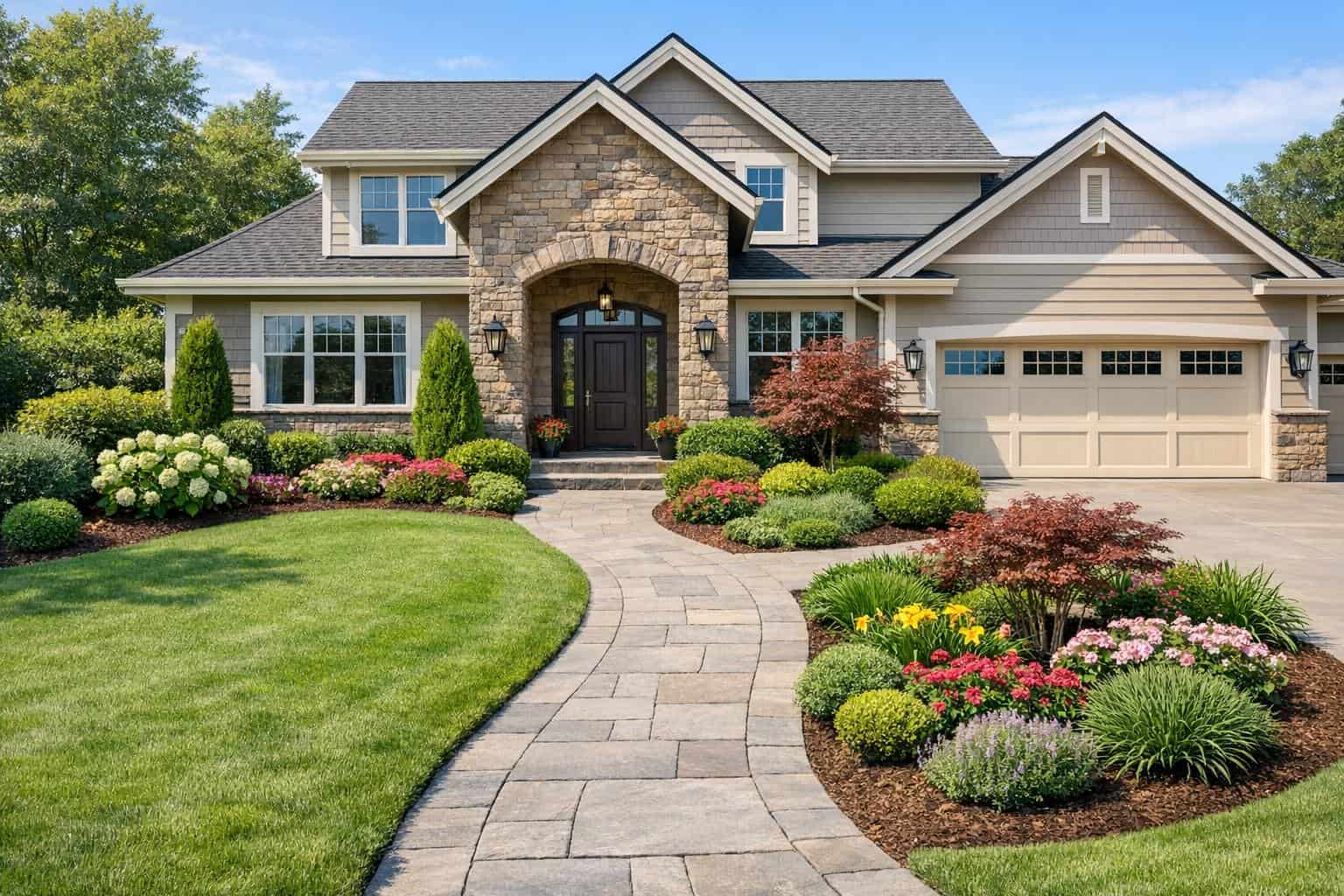
    Front-yard improvements often have an outsized effect because they shape the first impression of the home. A clean entry path, healthier lawn, better lighting, balanced planting, and a more intentional front facade can all make the property feel better maintained. That can influence both buyer interest and general perception of quality.

    Does Landscaping Increase Home Value Guide related example showing Landscape beds and groundcover materials relevant to homeowner quantity planning for mulch, soil, and decorative rock
    This materials example gives homeowners a visual reference for comparing layout, materials, and maintenance tradeoffs before starting the project.

    The front yard landscaping guide is one of the clearest places to start if value and curb appeal are part of the goal.

    Usability can matter as much as appearance

    Value is not only about visual polish. Backyards that feel usable can also be more appealing, especially when they support dining, privacy, clean circulation, and lower-maintenance outdoor living. A patio that fits the yard well, thoughtful lighting, and better privacy landscaping may feel more valuable than a highly decorative feature that does not improve use.

    That is where the backyard planning guide helps keep value decisions tied to function.

    Which projects often feel smart to buyers

    • Entry, walkway, and curb-appeal improvements that make the home feel cared for.
    • Patios or seating spaces that create usable outdoor living without overwhelming the yard.
    • Privacy, lighting, and lower-maintenance planting that improve comfort and day-to-day perception.
    • Drainage corrections or visible site improvements that reduce obvious problems.

    Where homeowners can overspend

    Highly customized builds, very complex maintenance-heavy planting, or oversized features can cost more than they help if they do not suit the home or neighborhood. An improvement can still be worth doing for your own enjoyment, but that is different from expecting a clean value return. The smartest projects usually balance broad appeal with everyday usability.

    Does Landscaping Increase Home Value Guide related example showing Landscape beds and groundcover materials relevant to homeowner quantity planning for mulch, soil, and decorative rock
    This related materials detail helps show how site conditions and finish choices can change the homeowner's plan.

    Landscaping adds the most value when it makes the property feel easier to love and easier to maintain. Homeowners who focus on clean curb appeal, practical outdoor living, and fewer obvious problems usually make stronger choices than those chasing dramatic upgrades alone.

    More Does Landscaping Increase Home Value Guides

    More Planning and Decision Guides

    More Curb Appeal and Resale Planning Guides


  • Landscaping Mistakes Homeowners Should Avoid Guide

    Landscaping Mistakes Homeowners Should Avoid Guide

    Most landscaping mistakes do not come from bad taste. They come from rushed planning, unclear expectations, or focusing on the visible finish before the underlying decisions are settled. A project can look exciting at the start and still become frustrating if drainage, maintenance, scope, or contractor fit are not thought through early.

    Homeowners do not need to avoid every imperfection. They do need to avoid the predictable mistakes that make projects cost more, take longer, or feel harder to live with after installation.

    Starting with finishes instead of function

    One of the most common mistakes is choosing materials or inspiration images before deciding how the yard should work. A patio pattern, a fire pit style, or a planting palette is much easier to choose once you know whether the goal is entertaining, lower maintenance, better privacy, drainage correction, curb appeal, or all of those together.

    Landscaping Mistakes Homeowners Should Avoid Guide related example showing Landscape beds and groundcover materials relevant to homeowner quantity planning for mulch, soil, and decorative rock
    This materials example gives homeowners a visual reference for comparing layout, materials, and maintenance tradeoffs before starting the project.

    The backyard planning guide and front yard guide are useful starting points because they focus on layout before materials.

    Ignoring drainage or grade issues

    Another major mistake is treating drainage or grading as optional cleanup rather than part of the foundation of the project. Water issues can undermine patios, kill planting, create muddy lawn zones, or reduce the life of new work. Homeowners sometimes install decorative improvements first and then pay more later to fix runoff problems underneath them.

    If you suspect water movement is part of the problem, the drainage guide, drainage vs regrading guide, and erosion control guide should come earlier in the process.

    Underestimating maintenance

    Some yards look great on installation day and feel demanding a year later. Dense planting, tricky lawn areas, overcomplicated bed edges, or the wrong ground-cover choice can all create more work than a homeowner expected. Maintenance should be treated like a design input, not an afterthought.

    Choosing contractors from price alone

    A lower quote can be the right choice, but only when scope and methods are truly comparable. Many homeowners regret choosing based on total price before they understand what one contractor left out. That is why the quote comparison guide matters so much.

    Trying to solve everything at once without a plan

    Large projects often need phases, but phasing works best when the homeowner still has a full-yard strategy. Without that, each phase can pull the yard in a different direction. A phased project should still be guided by one larger plan for access, privacy, planting, drainage, and entertaining.

    Landscaping Mistakes Homeowners Should Avoid Guide related example showing Landscape beds and groundcover materials relevant to homeowner quantity planning for mulch, soil, and decorative rock
    This related materials detail helps show how site conditions and finish choices can change the homeowner's plan.

    Most landscaping mistakes are preventable once homeowners slow down enough to define function, understand scope, and choose materials and contractors from a clear plan. That usually matters more than any single style decision.