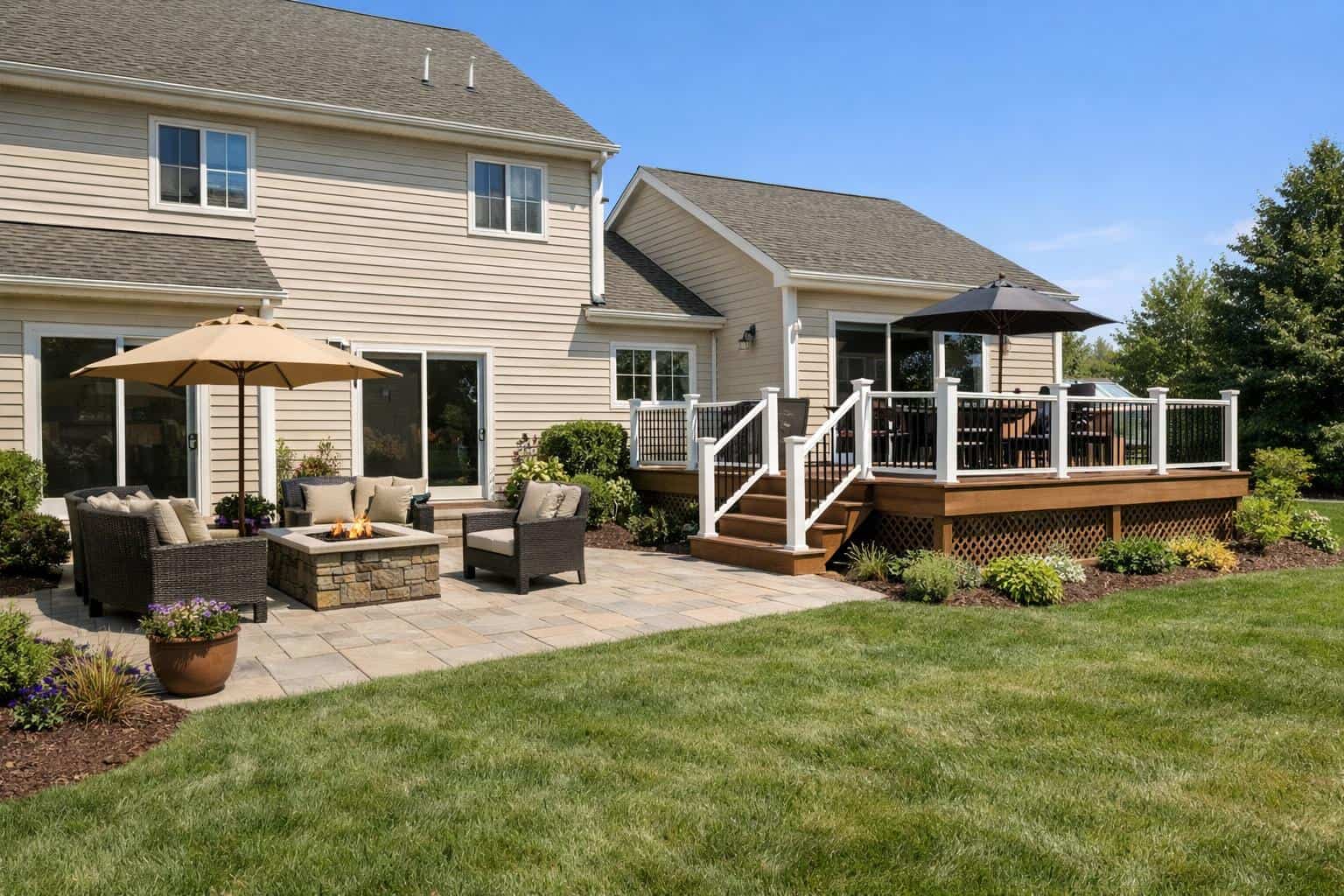
Hiring and Planning

Hiring and planning guides that help homeowners compare contractors, ask better questions, and understand project expectations before work begins.

Start with the service type

Landscaping Services Guideposts

Use these guides to understand what each service includes before comparing providers or requesting quotes.

Core service explainers

Start here when you are still deciding what kind of landscaper or outdoor contractor you need.

Compare before you hire

Use these pages when two services or surface choices sound similar but lead to different scopes.

Hire smarter

Planning And Contractor Comparison

Use this hub when you are moving from ideas into estimates, bids, and contractor conversations.

Before requesting estimates

These guides help define scope and compare companies before the first site visit.

Budget with better assumptions

Cost Guides And Calculators

Use this hub to move from rough budget ranges into the details that usually change quotes.

Calculator starting points

Open the calculator hub or a cost guide when you need a quick planning range.

High-impact cost decisions

These pages help compare choices where price, lifespan, and maintenance tradeoffs matter.

Understand the build

Installation And Site-Work Pathways

Use these guides to understand sequencing, site prep, access, and the details that affect long-term performance.

Hardscape and site prep

These projects often depend on base prep, demolition, grading, drainage, and access.

Drainage and retaining work

Use these when water, grade, or slope stability is part of the project.

Choose materials with ownership in mind

Material And Finish Decision Paths

Use these guides when appearance, maintenance, replacement, and budget all affect the right material choice.

Surface and finish comparisons

Compare outdoor surfaces before committing to a driveway, patio, or lawn direction.

Landscape material planning

Use these pages when quantity, delivery, or long-term maintenance are the main concern.

Protect the investment

Maintenance And Ownership Next Steps

Use these guides to understand ongoing care, seasonal refreshes, and when maintenance points to a bigger fix.

Maintenance planning

These guides help compare recurring service, seasonal work, and refresh projects.

When upkeep becomes repair

Use these when repeated maintenance problems suggest drainage, surface, or material issues.

  • How to Choose Between Drainage and Regrading Guide

    How to Choose Between Drainage and Regrading Guide

    Choosing between drainage and regrading starts with diagnosing where the water comes from, where it collects, and what the yard shape is doing to make the problem worse.

    Questions to ask first

    • Does the water need to be moved, or does the ground need to be reshaped so it can move naturally?
    • Is the problem isolated to one area or repeated across the property?
    • How do roof runoff, patios, and low spots interact during heavy rain?

    When drainage usually makes more sense

    • Water already has the right slope but needs collection and redirection.
    • The problem comes from concentrated runoff or roof discharge.
    • The yard shape cannot be changed enough on its own.

    When regrading usually makes more sense

    • The surface itself is sloped wrong or settled badly.
    • Water keeps lingering because the landform is creating a bowl or reverse slope.
    • You need a broader surface correction, not just a collection point.

    Bottom line

    The better fix is the one that addresses the true source of the water issue rather than just the spot where it becomes visible.

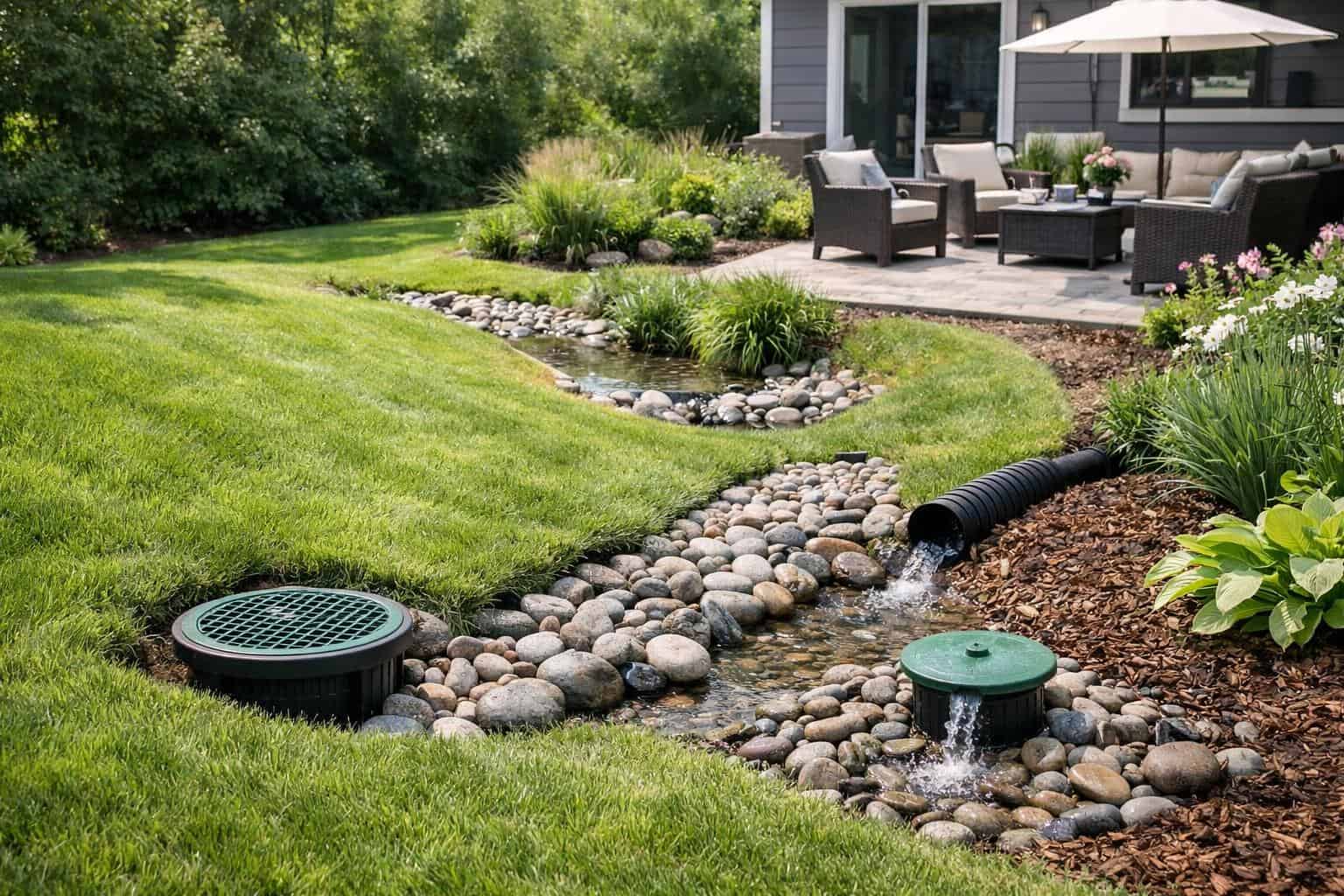
    How to Choose Between Drainage and Regrading Guide related example showing Drainage detail relevant to pooling, runoff shifts, and warning signs
    This drainage example gives homeowners a visual reference for comparing layout, materials, and maintenance tradeoffs before starting the project.

    For the broader overview, continue with Drainage vs Regrading Guide for Homeowners.

    How to Choose Between Drainage and Regrading Guide related example showing Drainage detail relevant to planning mistakes, runoff diagnosis, and grading decisions
    This related drainage detail helps show how site conditions and finish choices can change the homeowner's plan.

  • Drainage vs Regrading Problem-Solving Guide for Homeowners

    Drainage vs Regrading Problem-Solving Guide for Homeowners

    Homeowners often compare drainage and regrading as if they are competing products, but they solve different problems and are frequently stronger together than apart.

    What drainage solutions do best

    • Collect and redirect water that has nowhere good to go.
    • Move runoff away from the house, patio, or lawn trouble spots.
    • Handle concentrated flow from roofs, hardscape, or low areas.

    What regrading does best

    • Reshape the surface so water naturally moves in a better direction.
    • Correct slope patterns that keep sending water to the wrong place.
    • Reduce recurring wet pockets caused by the yard’s shape.

    When homeowners usually need both

    • The yard shape is wrong and the runoff volume is also high.
    • Water repeatedly overwhelms one simple fix.
    • Existing hardscape, planting, or structures complicate where water can go.

    Bottom line

    The right fix depends on whether the problem is poor water collection, poor water direction, or both at the same time.

    For the broader overview, continue with Drainage vs Regrading Guide for Homeowners.
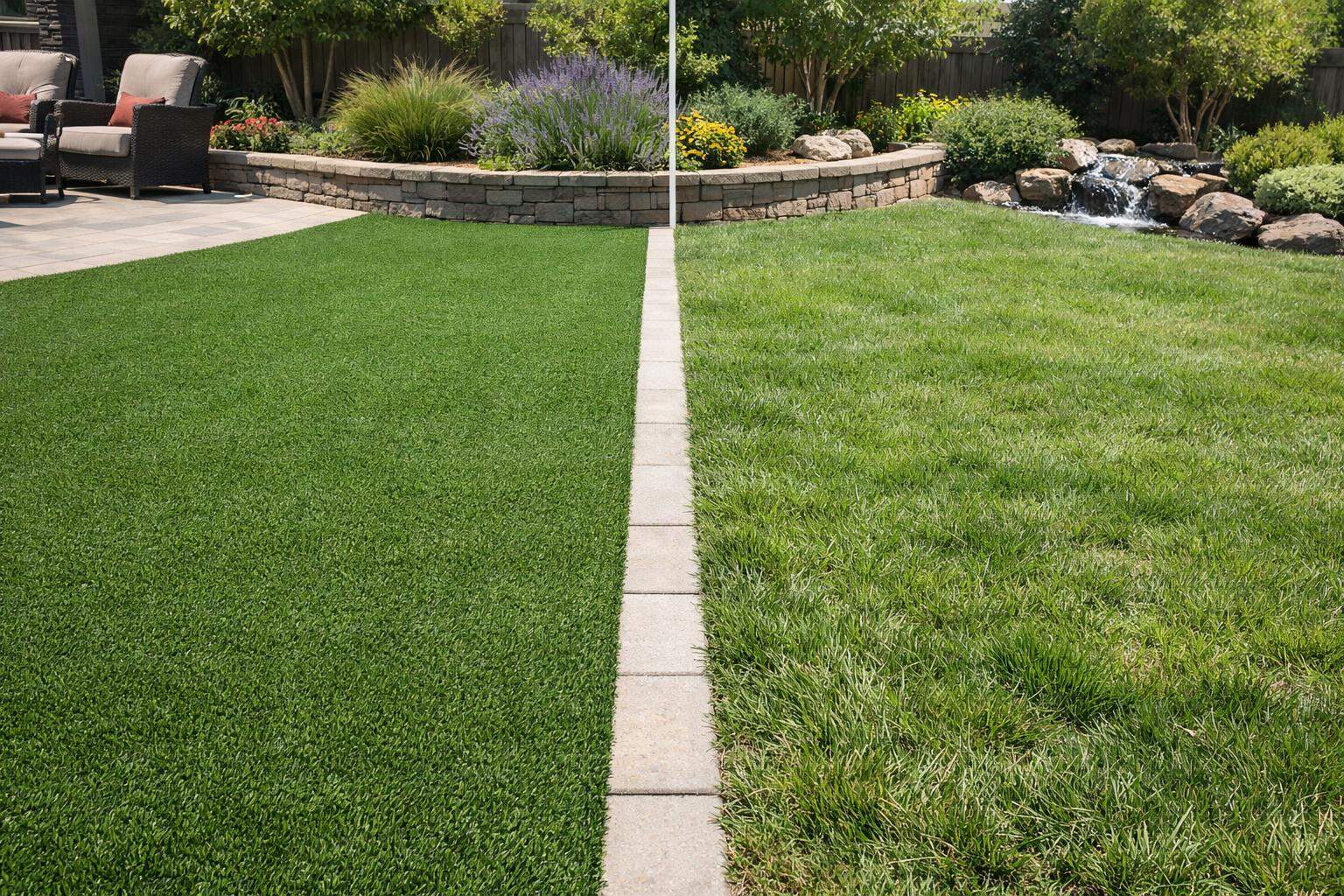

  • How to Choose Between Artificial Turf and Natural Grass Guide

    How to Choose Between Artificial Turf and Natural Grass Guide

    The best lawn-surface decision usually becomes clearer when homeowners stop asking which one is better in general and start asking how the yard is really used.

    Questions to settle first

    • Do you want lower weekly lawn work or a cooler natural surface?
    • Will pets, play, or shade create problems for one option more than the other?
    • How important are water use, repairability, and seasonal appearance?

    When artificial turf usually makes more sense

    • The area gets heavy use and appearance consistency matters.
    • You want to reduce mowing and traditional lawn care.
    • The site makes long-term grass quality difficult to maintain.

    When natural grass usually makes more sense

    • Cooling, natural feel, and a living landscape matter most.
    • You do not mind ongoing lawn care.
    • The yard’s irrigation, sun, and soil conditions support healthy turf.

    Bottom line

    The better option is the one that matches the climate and your day-to-day life with the yard, not just the one that looks easier in theory.

    For the broader overview, continue with Artificial Turf vs Natural Grass Guide for Homeowners.


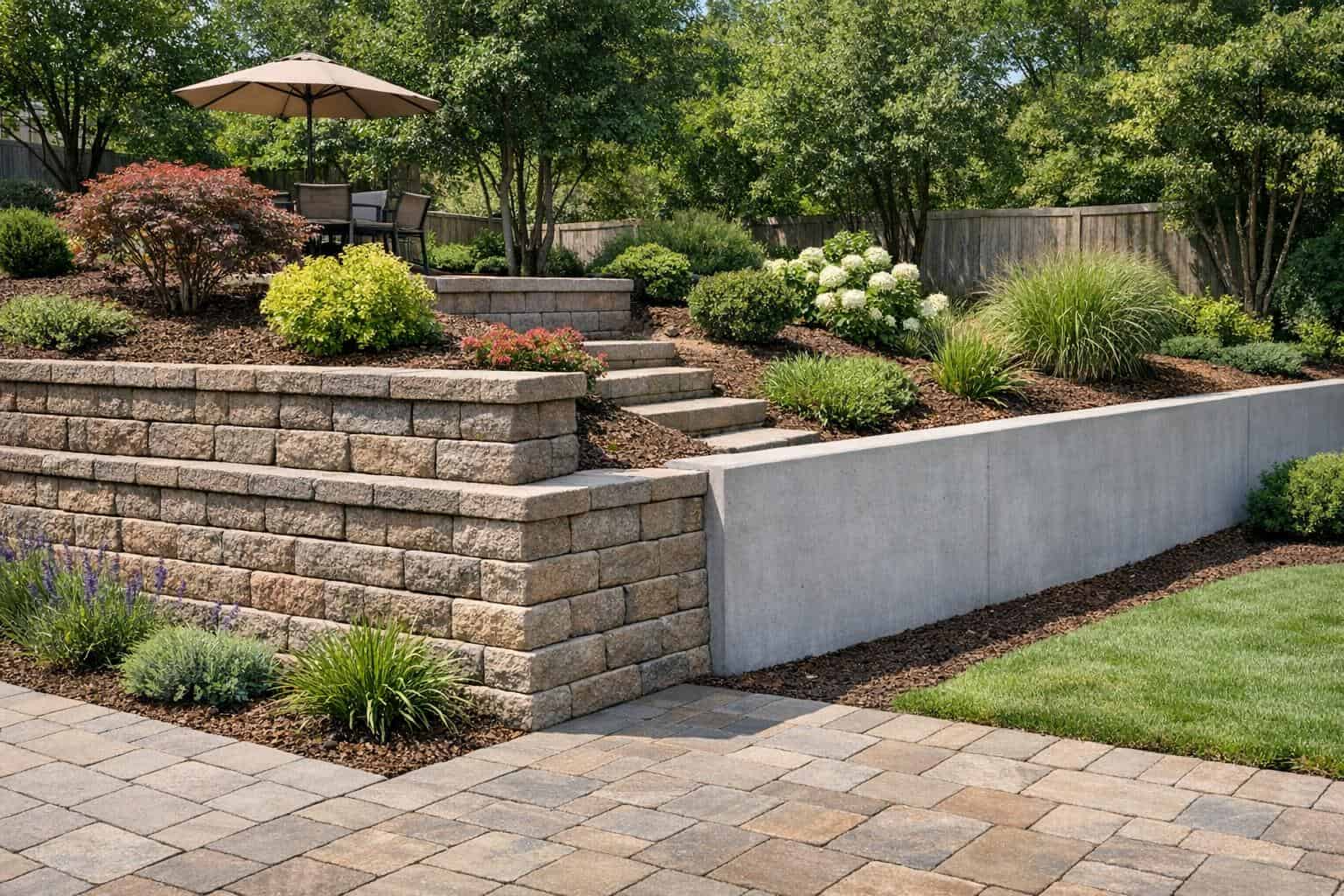
  • How to Choose Between Block and Poured Concrete Retaining Walls Guide

    How to Choose Between Block and Poured Concrete Retaining Walls Guide

    Choosing the right retaining-wall system starts with the wall’s job. Aesthetic preference matters, but structure, drainage, engineering, and site access usually matter more.

    Questions to ask first

    • How tall is the wall and what structural load will it handle?
    • What drainage pressure or slope conditions exist on the site?
    • Do you care more about appearance, engineering efficiency, or modular repairability?

    When block often makes more sense

    • You want a more landscape-integrated look.
    • The wall layout benefits from modular construction and easier material matching.
    • The engineering approach fits the site’s needs and the wall height.

    When poured concrete often makes more sense

    • A monolithic structural look or approach fits the project better.
    • Wall height, load, or engineering pushes the design that way.
    • You prefer a cleaner, less jointed visual result.

    Bottom line

    The right wall type is the one that meets the structural job cleanly while still fitting the design and maintenance expectations of the yard.

    For the broader overview, continue with Retaining Wall Block vs Poured Concrete Guide for Homeowners.


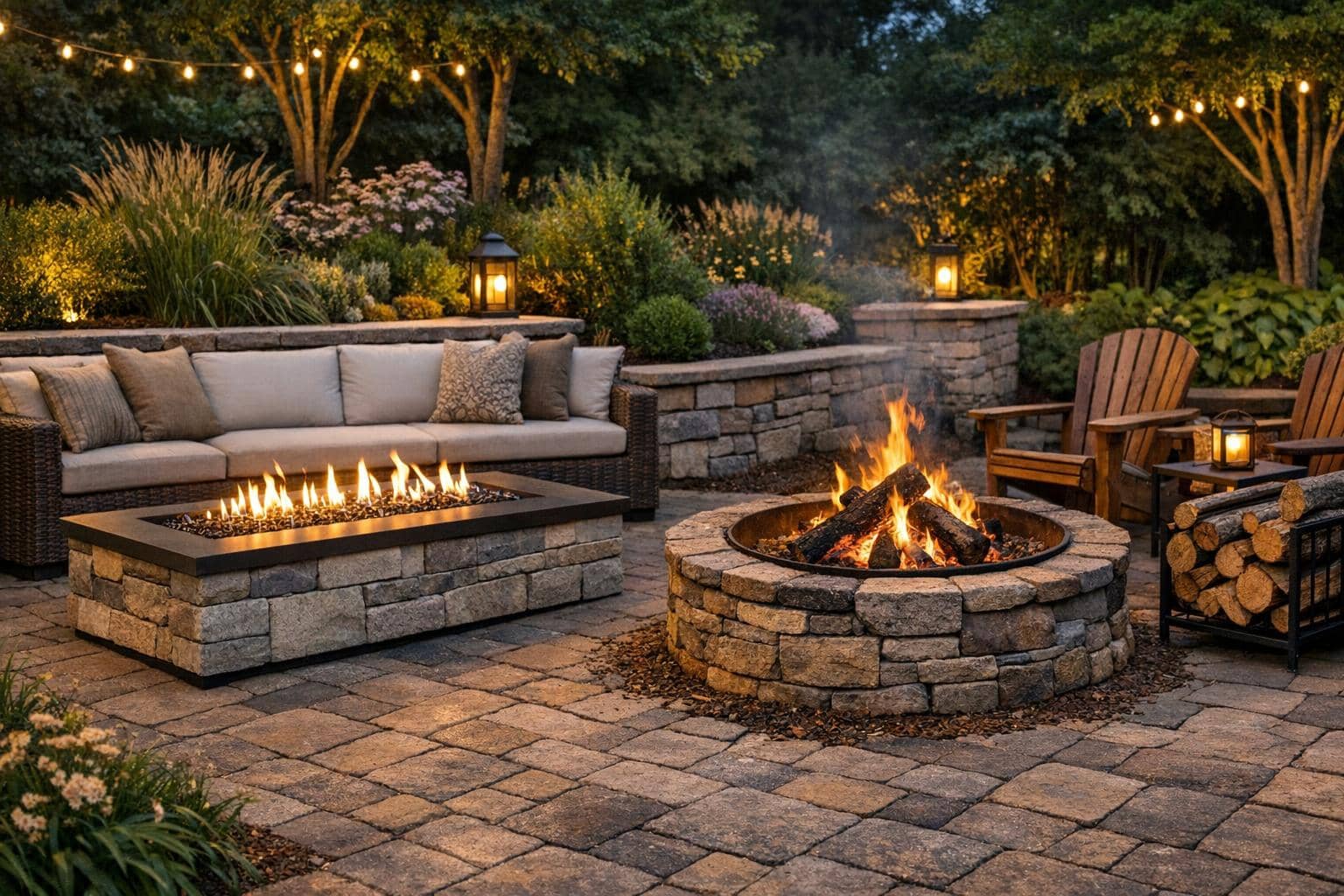
  • How to Choose Between Gas and Wood Fire Pits Guide

    How to Choose Between Gas and Wood Fire Pits Guide

    Choosing between gas and wood gets easier when you look at convenience, code, smoke tolerance, fuel access, and what kind of outdoor-living experience you want to create.

    Questions to ask first

    • Do you want instant, low-mess use or a more traditional fire experience?
    • Are gas access, setbacks, or local regulations shaping the decision?
    • How much cleanup and fuel handling are you willing to accept?

    When gas is usually the better choice

    • You want convenience, quicker use, and easier cleanup.
    • Smoke is a concern for your household or neighbors.
    • You want the feature to feel easy enough for frequent weeknight use.

    When wood is usually the better choice

    • You care most about traditional atmosphere.
    • Fuel handling and cleanup do not feel like a burden.
    • The site and local rules support a wood-burning setup.

    Bottom line

    The right choice comes from how you want to live with the feature, not just which fire type seems more dramatic on installation day.

    For the broader overview, continue with Fire Pit Gas vs Wood Guide for Homeowners.


  • Gas vs Wood Fire Pit Experience and Lifestyle Guide for Homeowners

    Gas vs Wood Fire Pit Experience and Lifestyle Guide for Homeowners

    The better fire pit often comes down to what kind of evenings you actually want to have in the yard, not just how the feature looks in a photo.

    Why some homeowners prefer gas

    • Fast startup and shutdown.
    • Cleaner operation and easier casual use.
    • Better fit for households that want convenience and consistency.

    Why some homeowners prefer wood

    • Traditional crackle, smell, and ritual.
    • A campfire-style experience that feels more social to some homeowners.
    • Fewer utility requirements in some situations.

    What daily life should decide

    • How often you will really use the feature.
    • Whether smoke, ash, and storage are drawbacks or part of the appeal.
    • How much convenience matters compared with atmosphere.

    Bottom line

    The best fire pit is the one you will actually use because it matches your household’s habits, not just your design inspiration board.

    For the broader overview, continue with Fire Pit Gas vs Wood Guide for Homeowners.


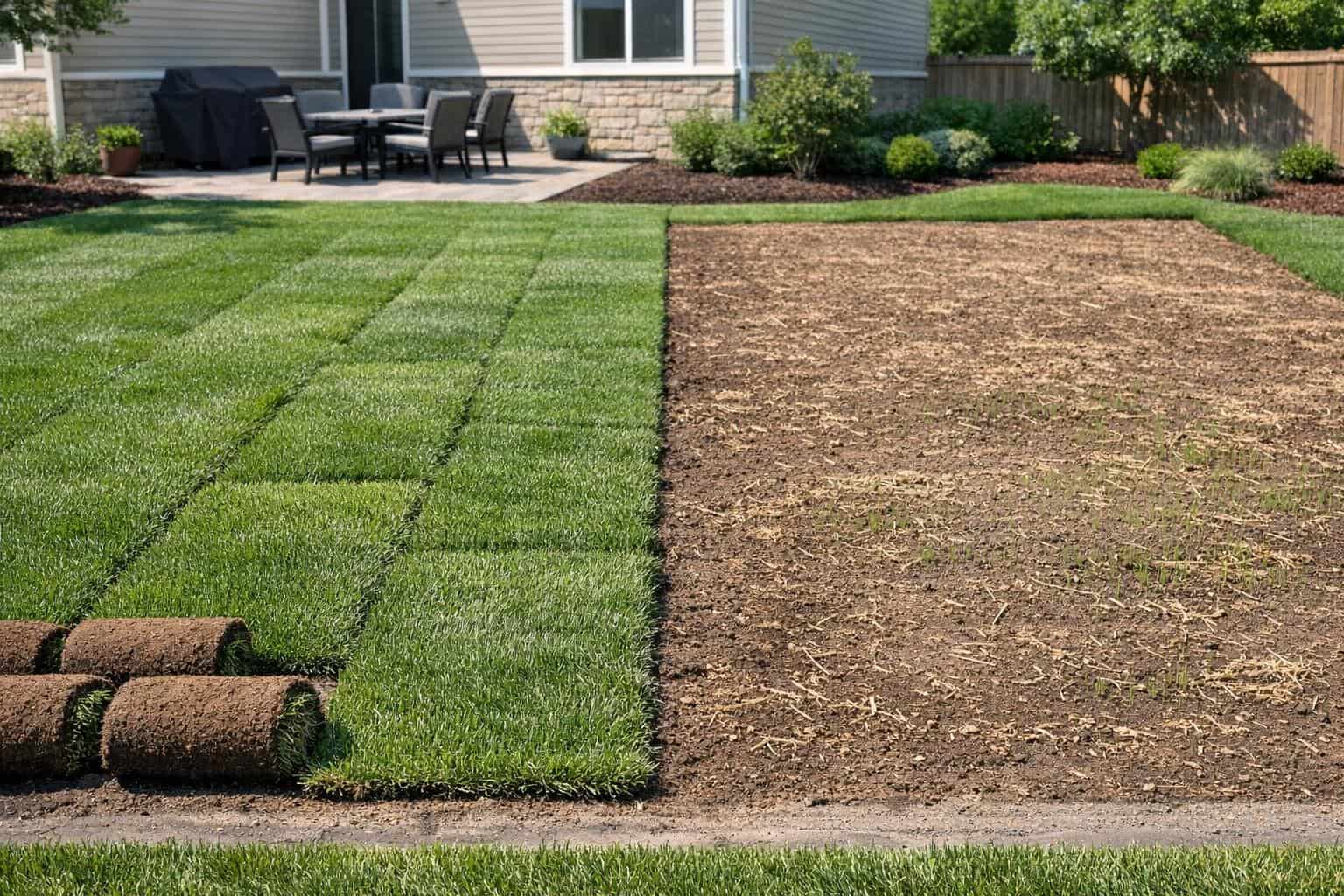
  • How to Choose Between Sod and Seed Guide

    How to Choose Between Sod and Seed Guide

    Choosing between sod and seed gets easier when you weigh budget, timeline, site conditions, and how perfect the lawn needs to look in the near term.

    Questions that help most

    • How quickly do you need the yard to look finished?
    • Can you manage a more delicate germination period?
    • How important is a predictable result versus a lower upfront price?

    When sod is usually the better fit

    • You want faster visual results and more immediate coverage.
    • The yard needs to look complete quickly.
    • The budget can support the higher upfront spend.

    When seed is usually the better fit

    • The budget matters more than immediate appearance.
    • You have flexibility on timing and can watch establishment closely.
    • The season and conditions are favorable for germination.

    Bottom line

    The right answer depends on whether you are buying speed and predictability or a slower but often cheaper path to lawn establishment.

    For the broader overview, continue with Sod vs Seed Guide for Homeowners.


  • Sod vs Seed Timeline Guide for Homeowners

    Sod vs Seed Timeline Guide for Homeowners

    The timeline difference between sod and seed is one of the biggest reasons homeowners choose one over the other. One gives near-immediate coverage, while the other asks for patience and favorable conditions.

    How sod changes the timeline

    • The lawn looks finished quickly once installed.
    • Roots still need establishment time before heavy use.
    • Good prep and irrigation remain critical even though coverage is immediate.

    How seed changes the timeline

    • Germination and fill-in depend on weather, watering, and site prep.
    • Washout, birds, weeds, and uneven growth can extend the process.
    • The usable-lawn timeline is usually much longer than installation day.

    Which one fits your schedule

    • Choose sod when appearance and faster coverage matter most.
    • Choose seed when the budget is tighter and the timeline is more flexible.
    • Match the method to the season and local growing conditions.

    Bottom line

    If timing matters more than the initial price, the timeline difference between sod and seed can be the deciding factor.

    For the broader overview, continue with Sod vs Seed Guide for Homeowners.


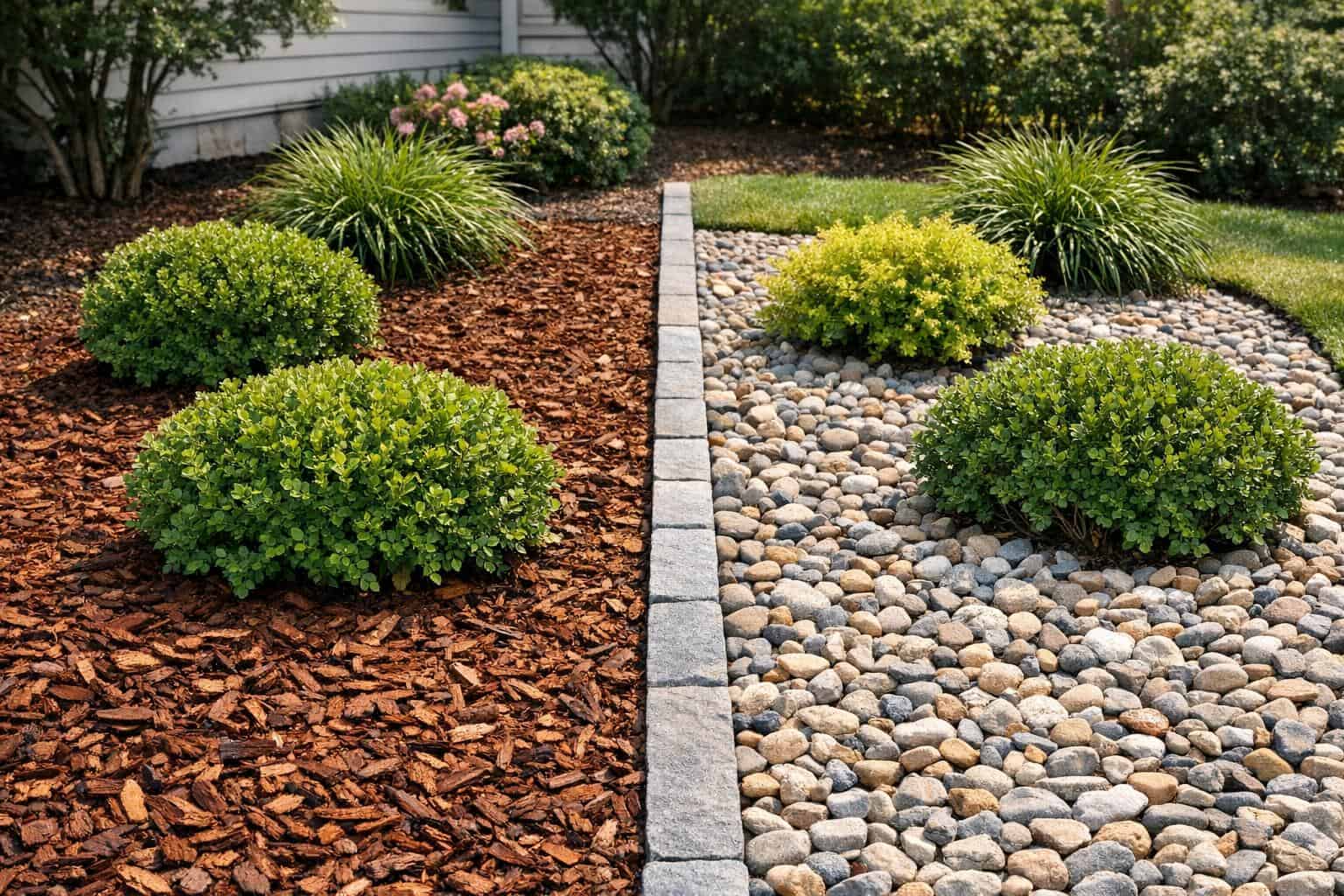
  • How to Choose Between Mulch and Rock Landscaping Guide

    How to Choose Between Mulch and Rock Landscaping Guide

    Choosing between mulch and rock gets much easier when you look at plant health, maintenance style, site conditions, and how formal or natural you want the beds to feel.

    Questions to ask before choosing

    • How hot and dry does the bed already get?
    • How much leaf litter, debris, or wind does the area see?
    • Do the plants want cooler, more moisture-balanced root conditions?

    When mulch usually wins

    • Plant-heavy beds where root protection and moisture support matter.
    • Yards where a softer, easier-to-refresh finish is preferred.
    • Homeowners who do not mind periodic replenishment.

    When rock usually wins

    • Low-water designs with the right plants and edge control.
    • Sites where mulch blows away or washes out too easily.
    • Designs where a crisp, mineral look is part of the goal.

    Bottom line

    The right answer usually comes from the planting and maintenance plan, not just from which finish looks cleaner on installation day.

    For the broader overview, continue with Mulch vs Rock Landscaping Guide for Homeowners.


  • How to Choose Between a Patio and Deck Guide

    How to Choose Between a Patio and Deck Guide

    Choosing between a patio and a deck gets easier when you look at elevation, maintenance, comfort, and how the outdoor space needs to connect to the rest of the yard.

    Questions to ask first

    • How high is the door above grade?
    • Do you want a ground-level gathering space or a raised platform?
    • Which option fits your maintenance tolerance and budget best?

    When a patio is usually the better answer

    • You want a durable, ground-level space integrated with landscaping.
    • The yard is already close to grade and drainage can be handled well.
    • You prefer a more permanent hardscape feel.

    When a deck is usually the better answer

    • The home’s floor height makes a raised structure more practical.
    • Views, railings, and elevation are part of the intended experience.
    • You want to avoid heavy fill, steps, or retaining just to reach grade.

    Bottom line

    The better option is the one that works with the house and the site instead of forcing the yard into an awkward layout.

    For the broader overview, continue with Patio vs Deck Guide for Homeowners.