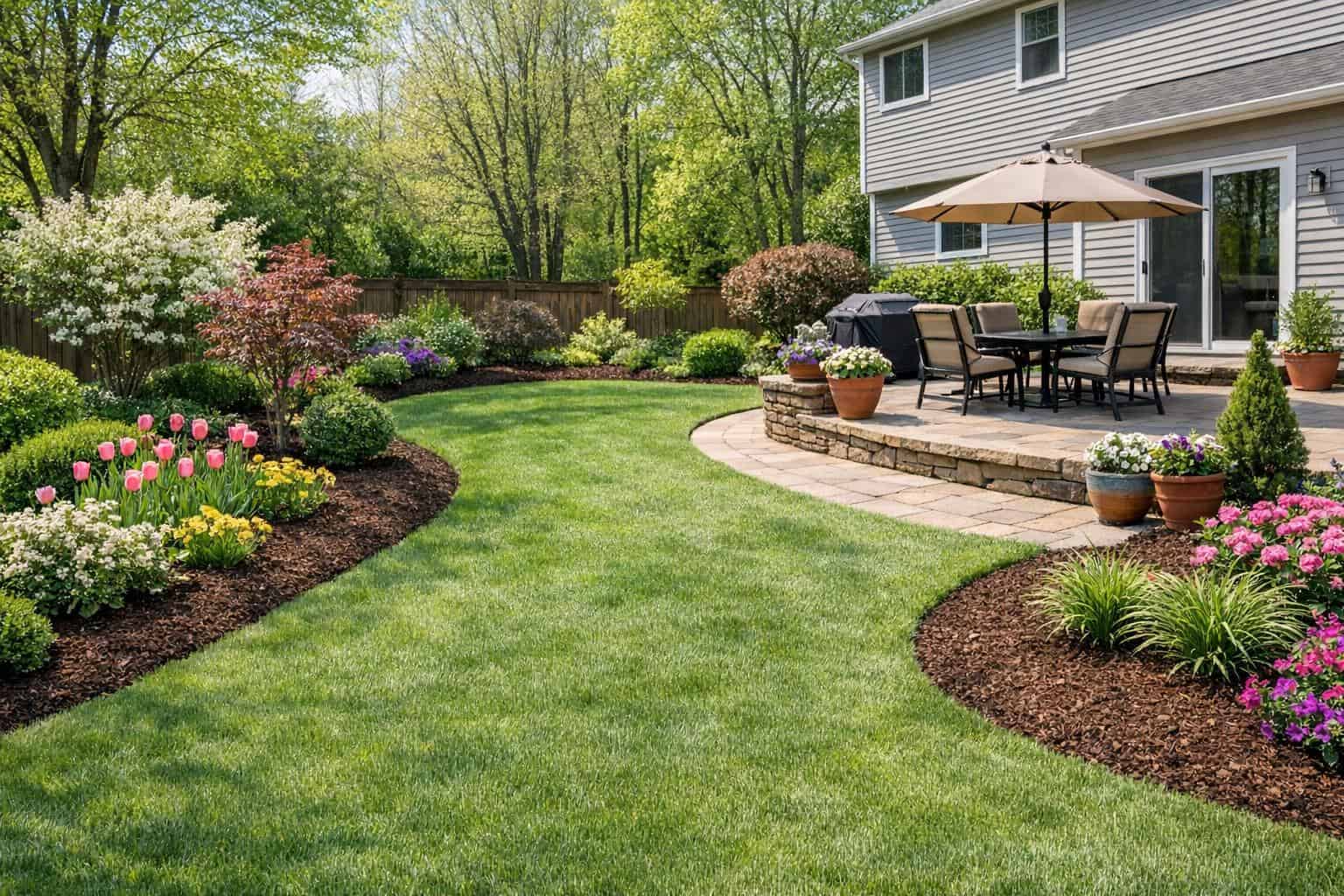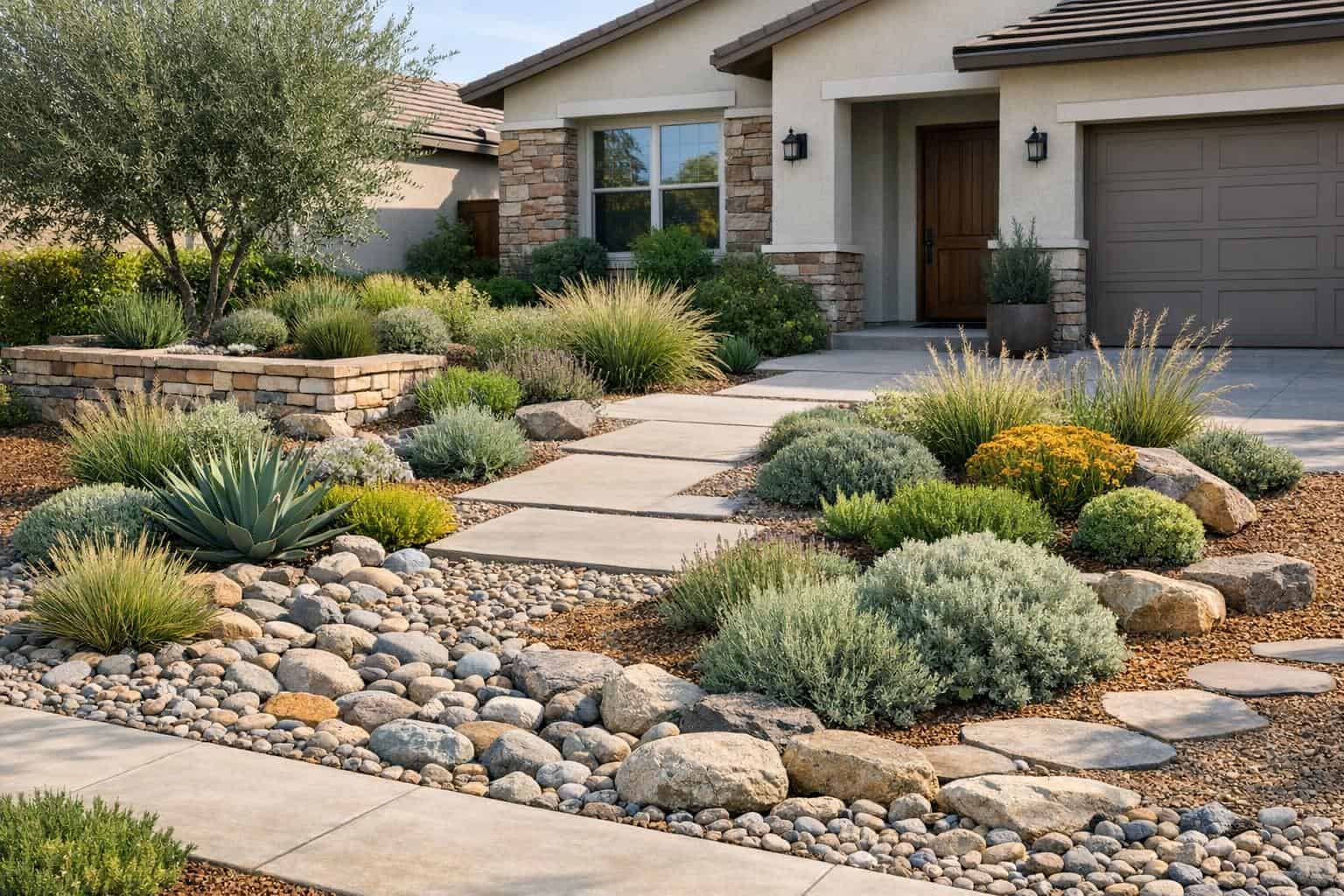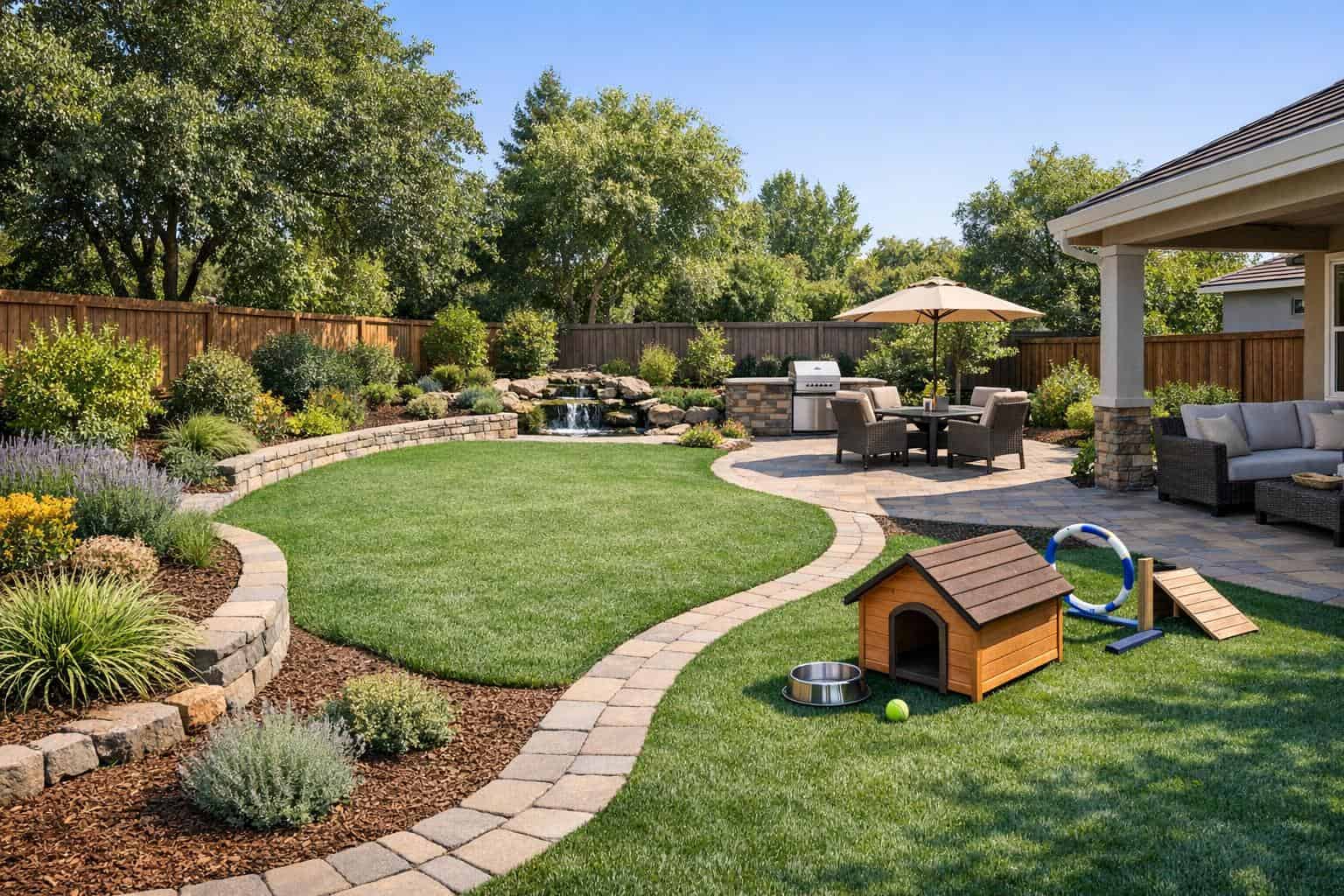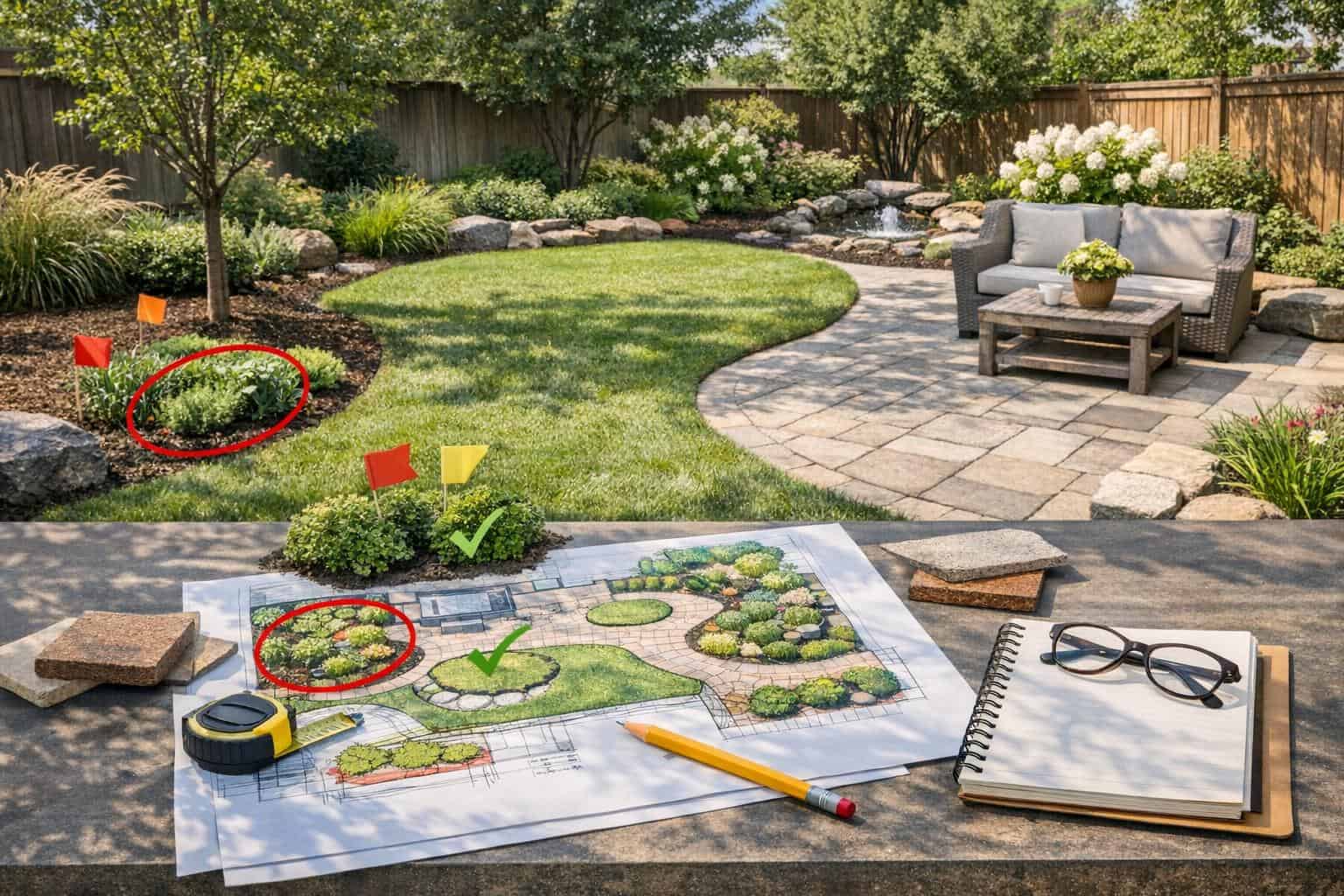
Maintenance and Ownership

Maintenance and ownership guides that explain what happens after installation, from cleaning and sealing to ongoing care and protection.

Start with the service type

Landscaping Services Guideposts

Use these guides to understand what each service includes before comparing providers or requesting quotes.

Core service explainers

Start here when you are still deciding what kind of landscaper or outdoor contractor you need.

Compare before you hire

Use these pages when two services or surface choices sound similar but lead to different scopes.

Hire smarter

Planning And Contractor Comparison

Use this hub when you are moving from ideas into estimates, bids, and contractor conversations.

Before requesting estimates

These guides help define scope and compare companies before the first site visit.

Budget with better assumptions

Cost Guides And Calculators

Use this hub to move from rough budget ranges into the details that usually change quotes.

Calculator starting points

Open the calculator hub or a cost guide when you need a quick planning range.

High-impact cost decisions

These pages help compare choices where price, lifespan, and maintenance tradeoffs matter.

Understand the build

Installation And Site-Work Pathways

Use these guides to understand sequencing, site prep, access, and the details that affect long-term performance.

Hardscape and site prep

These projects often depend on base prep, demolition, grading, drainage, and access.

Drainage and retaining work

Use these when water, grade, or slope stability is part of the project.

Choose materials with ownership in mind

Material And Finish Decision Paths

Use these guides when appearance, maintenance, replacement, and budget all affect the right material choice.

Surface and finish comparisons

Compare outdoor surfaces before committing to a driveway, patio, or lawn direction.

Landscape material planning

Use these pages when quantity, delivery, or long-term maintenance are the main concern.

Protect the investment

Maintenance And Ownership Next Steps

Use these guides to understand ongoing care, seasonal refreshes, and when maintenance points to a bigger fix.

Maintenance planning

These guides help compare recurring service, seasonal work, and refresh projects.

When upkeep becomes repair

Use these when repeated maintenance problems suggest drainage, surface, or material issues.

  • Fall Landscaping Checklist Guide for Homeowners

    Fall Landscaping Checklist Guide for Homeowners

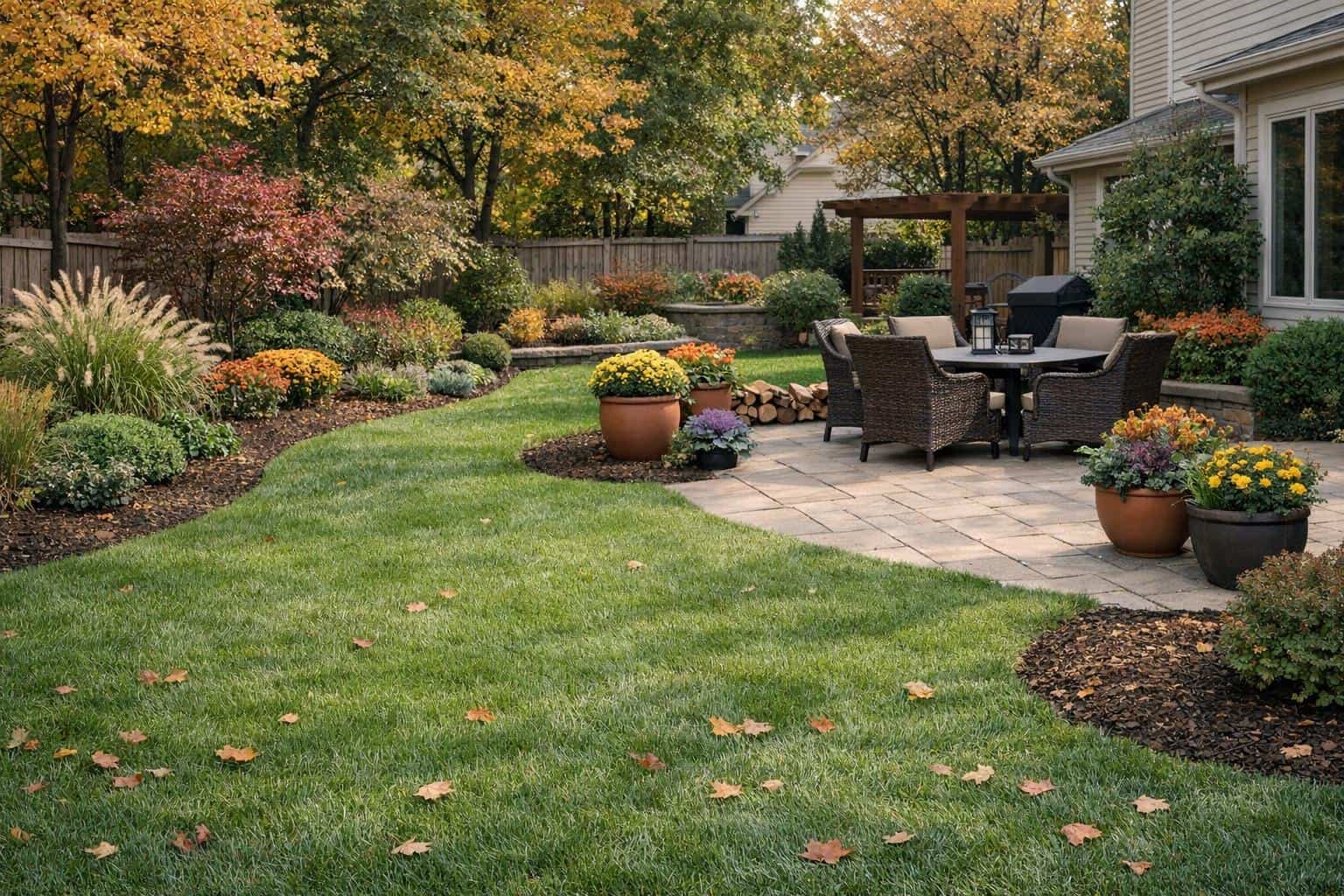
    Fall is one of the most useful seasons for resetting the yard after summer stress and preparing it for colder months ahead. It is a practical season: cleanup, lawn repair, planting adjustments, irrigation planning, and small corrections tend to pay off more when handled now instead of postponed until the next busy season.

    For many homeowners, fall is also when it becomes easier to see which parts of the yard performed well and which parts need a bigger change next year.

    Use fall for cleanup and evaluation

    As plants settle and outdoor use shifts, fall is a good time to clean up beds, remove worn material, trim where appropriate, and note trouble spots. If the lawn thinned out, if drainage stayed messy, or if patio circulation never felt right, those observations can shape next season’s planning.

    Fall Landscaping Checklist Guide for Homeowners related example showing Landscape beds and groundcover materials relevant to homeowner quantity planning for mulch, soil, and decorative rock
    This materials example gives homeowners a visual reference for comparing layout, materials, and maintenance tradeoffs before starting the project.

    Plan irrigation and cold-weather transition

    Irrigation systems, drainage patterns, and exposed site issues should not be forgotten just because summer is ending. Fall is often the right moment to prepare systems for cooler weather and to note changes that should be handled before next year. Homeowners with persistent water issues can use fall as a planning window for bigger corrections.

    Fall Landscaping Checklist Guide for Homeowners related example showing Landscape beds and groundcover materials relevant to homeowner quantity planning for mulch, soil, and decorative rock
    This related materials detail helps show how site conditions and finish choices can change the homeowner's plan.

    Set the yard up for next season

    Fall can be a strong time for lawn recovery, bed refresh, and long-term project planning. If the yard needs a larger redesign, this is often when homeowners know more clearly what did and did not work through the year. That can make fall a practical moment to start decisions for upcoming phases.

    The phasing guide and project timing guide fit well here.

  • Summer Landscaping Maintenance Guide for Homeowners

    Summer Landscaping Maintenance Guide for Homeowners

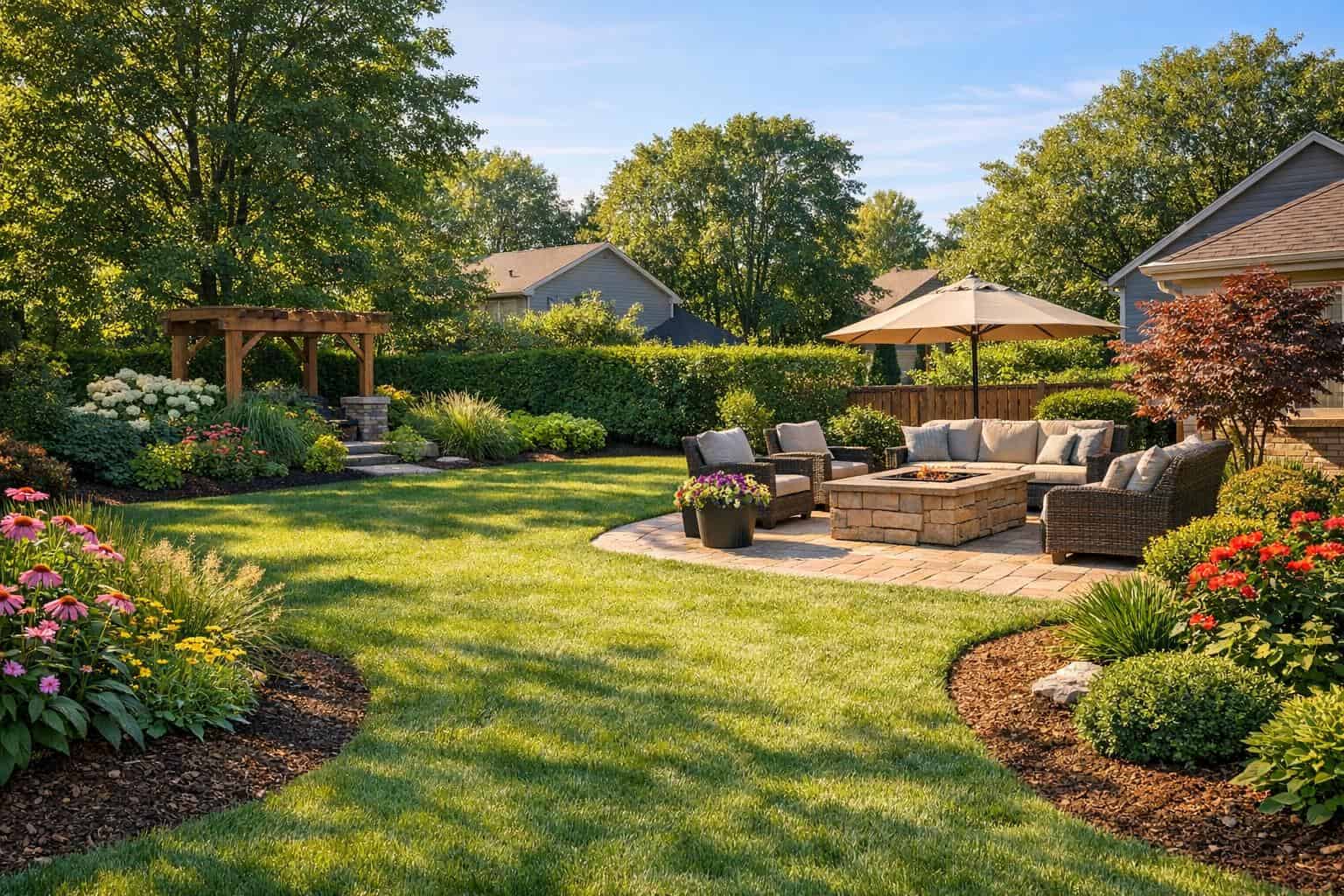
    Summer is when homeowners use the yard the most and when maintenance problems tend to show up fastest. Heat, heavy traffic, irrigation trouble, and stressed planting can all make the yard look tired right when you want it to feel its best. A good summer maintenance plan focuses on keeping the yard usable and protecting long-term health, not just reacting to cosmetic issues.

    The priorities in summer are usually water management, surface upkeep, and preventing small stress signals from becoming larger problems.

    Watering and irrigation matter most

    Summer is often when irrigation problems finally become obvious. Dry patches, overspray, runoff, or inconsistent coverage usually show up when the yard is under the most stress. Homeowners should pay attention to whether water is reaching the right areas without creating waste or muddy zones.

    Summer Landscaping Maintenance Guide for Homeowners related example showing Groundcover and hardscape materials relevant to comparing real long-term maintenance demands
    This low maintenance example gives homeowners a visual reference for comparing layout, materials, and maintenance tradeoffs before starting the project.

    The irrigation guide and low-water landscaping guide both help frame smarter summer decisions.

    Watch lawn and planting stress early

    Lawn areas, privacy planting, and new beds often show heat stress before homeowners realize a bigger adjustment is needed. If leaves, turf, or soil are telling you the system is struggling, the answer may not be simply adding more water. Sometimes the issue is coverage, timing, compaction, or a mismatch between planting and conditions.

    Summer Landscaping Maintenance Guide for Homeowners related example showing Low-water landscape bed materials including rock and mulch relevant to drought-conscious groundcover selection
    This related low maintenance detail helps show how site conditions and finish choices can change the homeowner's plan.

    Keep outdoor-living areas functional

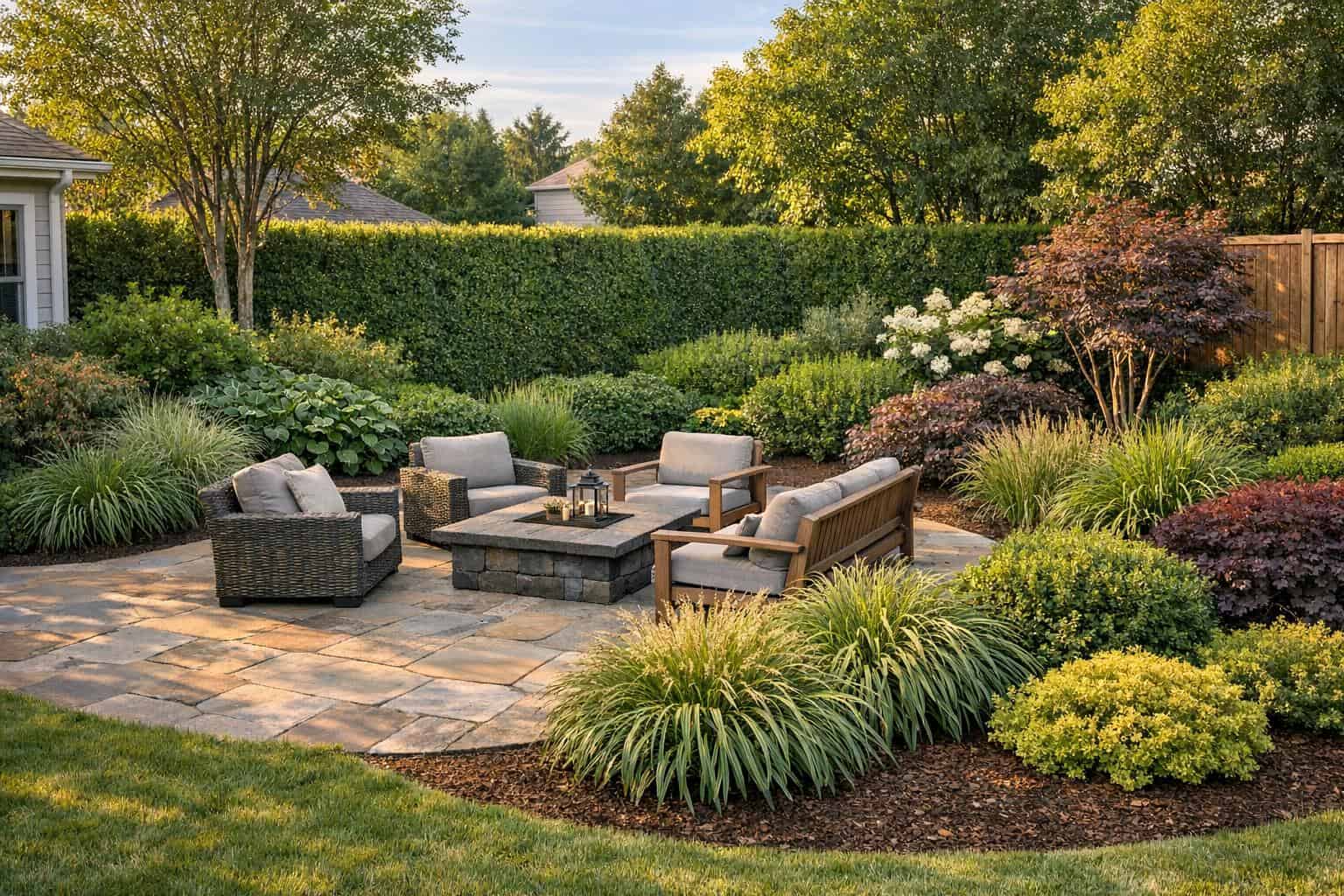
    Patios, kitchens, fire features, and seating areas all get the most use in summer. That makes it a good time to keep surfaces clean, check drainage, refresh seating zones, and spot parts of the yard that are not working as well as expected. Summer can reveal where layout and comfort still need improvement.


  • Spring Landscaping Checklist Guide for Homeowners

    Spring Landscaping Checklist Guide for Homeowners

    Spring is one of the most important seasons in the landscaping calendar because it sets the tone for everything that follows. This is when homeowners usually notice winter damage, overgrown beds, irrigation issues, weak lawn areas, and small maintenance problems that could become larger if ignored. A good spring checklist is less about doing everything at once and more about putting the yard back into working order before peak-use season begins.

    Some spring tasks are cosmetic, but many are practical. Cleanup, irrigation startup, lawn assessment, bed refreshing, and project planning all have a larger effect when handled early.

    Start with cleanup and assessment

    Before buying plants or mulch, it helps to walk the yard with a practical eye. Look for drainage trouble, worn lawn sections, damaged hardscape, dead plant material, and anything that did not hold up well through the colder months. Spring is the right time to spot where the yard needs repair versus where it simply needs seasonal refresh.

    Check irrigation and water movement

    Spring is also a good time to confirm that irrigation zones, sprinkler coverage, and drainage patterns are still working the way they should. If the yard has wet areas, runoff damage, or poor coverage, those issues usually matter more than decorative changes. The irrigation guide and drainage guide are useful companions here.

    Refresh planting beds and lawn thoughtfully

    Spring is a natural time for mulching, planting updates, bed edging, and lawn improvement, but it is worth avoiding rushed decisions. If the yard needs broader redesign or a more durable maintenance plan, use the season to clarify direction rather than just adding fresh material to an outdated layout.

    Spring Landscaping Checklist Guide for Homeowners related example showing Landscape beds and groundcover materials relevant to homeowner quantity planning for mulch, soil, and decorative rock
    This materials example gives homeowners a visual reference for comparing layout, materials, and maintenance tradeoffs before starting the project.

    The planting guide, mulch vs rock guide, and sod vs seed guide all connect naturally to spring work.

    Use spring for planning too

    Many homeowners think of spring only as maintenance season, but it is also a strong time to start larger project planning. If the goal is a patio, privacy improvement, lighting upgrade, or broader backyard change, spring is when the need often becomes clearest. That makes it a useful time to compare quotes and decide whether the yard needs a bigger reset.

    Spring Landscaping Checklist Guide for Homeowners related example showing Landscape beds and groundcover materials relevant to homeowner quantity planning for mulch, soil, and decorative rock
    This related materials detail helps show how site conditions and finish choices can change the homeowner's plan.

    More Planning and Decision Guides


  • Low-Water Landscaping Guide for Homeowners

    Low-Water Landscaping Guide for Homeowners

    Low-water landscaping is not just about removing lawn or filling a yard with rock. The best low-water landscapes still feel intentional, attractive, and livable. They simply rely on smarter planting, better irrigation planning, more efficient ground-cover choices, and a clearer understanding of how much water different parts of the yard really need.

    For many homeowners, the goal is not to eliminate water use entirely. It is to reduce waste, simplify maintenance, and create a yard that performs better in the local climate.

    Planting strategy matters more than one material choice

    Low-water landscapes usually succeed because the plant palette is aligned with the site. Sun exposure, soil conditions, irrigation zones, and maintenance expectations all shape what will thrive. A strong low-water yard still needs layering, structure, and visual interest. It just gets there differently than a lawn-heavy landscape might.

    Low-Water Landscaping Guide for Homeowners related example showing Groundcover and hardscape materials relevant to comparing real long-term maintenance demands
    This low maintenance example gives homeowners a visual reference for comparing layout, materials, and maintenance tradeoffs before starting the project.

    The planting installation guide and mulch vs rock guide both connect naturally to these decisions.

    Irrigation still matters in low-water landscapes

    Many homeowners assume low-water means no irrigation planning, but that is not usually true. Even drought-conscious planting benefits from an intentional watering strategy, especially during establishment. Efficient zones, correct coverage, and realistic maintenance expectations often matter more than trying to eliminate irrigation entirely.

    The irrigation guide is useful here because it explains how watering systems support long-term plant performance.

    Ground cover and maintenance tradeoffs

    Ground-cover choices can shape both the look and labor of a low-water yard. Rock, mulch, and planted coverage each create different heat, maintenance, and visual effects. The right choice depends on climate, plant palette, and how finished or natural you want the space to feel.

    Low-water does not have to feel empty

    One of the most common misconceptions is that reducing water means sacrificing comfort or personality. In practice, many of the best low-water yards feel more intentional because they rely on stronger structure, cleaner material transitions, and planting that suits the site better. Homeowners who treat the whole yard as a design problem, not just a water problem, usually get the best result.

    Low-Water Landscaping Guide for Homeowners related example showing Low-water landscape bed materials including rock and mulch relevant to drought-conscious groundcover selection
    This related low maintenance detail helps show how site conditions and finish choices can change the homeowner's plan.

    Seasonal guide: Water use and plant performance often change through the year. The Summer Landscaping Maintenance Guide helps carry low-water decisions into peak season.

    Turf option: Homeowners considering water-saving lawn alternatives can compare the Artificial Turf Installation Guide with lower-water planting strategies.

    Materials guide: Homeowners refining a drought-conscious layout can also review the low-water materials guide for a more product-focused decision path.

    Timeline guide: The low-water landscaping timeline guide helps homeowners understand how prep, planting, and finish work affect project length.

    Maintenance guide: The low-water landscaping maintenance guide helps homeowners keep the yard efficient, healthy, and visually balanced over time.

    Mistakes guide: The low-water landscaping planning mistakes guide helps homeowners catch layout and upkeep mismatches before installation.

    Warning signs guide: The low-water landscaping warning signs guide helps homeowners judge stress, imbalance, and when the yard needs attention.

    More Low-Water Backyard Planning Guides


  • Pet-Friendly Backyard Landscaping Guide for Homeowners

    Pet-Friendly Backyard Landscaping Guide for Homeowners

    A pet-friendly backyard should feel good for people too. The best designs balance durability, cleanup, circulation, and comfort without turning the yard into a purely utilitarian space. Homeowners with dogs often need more than just open grass. They need clear movement routes, surfaces that hold up to repeated wear, planting that does not create constant mess, and outdoor areas that still look intentional.

    Instead of asking what single surface is best, it helps to think about how pets actually use the yard every day. Entry routes, favorite paths, lounging spots, bathroom areas, and play zones all shape what materials and planting choices make sense.

    Durable surfaces matter

    Pet-friendly backyards often combine several surfaces rather than relying on one material everywhere. Some households prefer a lawn or sod play area. Others prefer lower-mess solutions in high-traffic zones. Patios, pathways, and selected ground-cover areas can reduce mud and improve cleanup, especially near doors and gates.

    If the lawn itself is still being decided, the artificial turf vs natural grass guide and sod vs seed guide both help frame the tradeoffs.

    Drainage and cleanup affect everyday usability

    Even a beautiful pet space becomes frustrating if it stays muddy, smells, or tracks dirt back into the house. That is why drainage, grading, and circulation often matter more than decorative details. A yard that sheds water poorly can turn pet use into a constant maintenance issue.

    Pet-Friendly Backyard Landscaping Guide for Homeowners related example showing Small Backyard Landscaping detail relevant to warning signs, wear, and maintenance decisions
    This backyard example gives homeowners a visual reference for comparing layout, materials, and maintenance tradeoffs before starting the project.

    Homeowners dealing with runoff or worn travel paths should compare the drainage guide and grading guide early in the planning process.

    Planting choices should support the space

    Dense delicate beds and fragile edging rarely stay tidy in high-pet-traffic backyards. The most successful pet-friendly yards usually rely on more resilient planting, clearer bed edges, and easier maintenance zones around favorite pet routes. That does not mean the yard has to look plain. It means the planting plan should reflect how the space is actually used.

    Keep the whole backyard usable

    A pet-friendly yard is still part of a broader backyard plan. Seating, lawn, privacy, lighting, and paths should work together so the space feels comfortable for everyone using it. The backyard planning guide is a good next step when homeowners want the yard to serve multiple purposes at once.

    Pet-Friendly Backyard Landscaping Guide for Homeowners related example showing Small Backyard Landscaping detail relevant to planning mistakes, layout, and upkeep expectations
    This related backyard detail helps show how site conditions and finish choices can change the homeowner's plan.

    Materials guide: The pet-friendly materials guide helps compare surface choices, cleanup, and durability more directly.

    Timeline guide: The pet-friendly backyard landscaping timeline guide helps homeowners understand how layout, surfaces, and finish work affect project length.

    Maintenance guide: The pet-friendly backyard maintenance guide helps homeowners protect durability, cleanliness, and how the yard works for pets over time.

    Mistakes guide: The pet-friendly backyard planning mistakes guide helps homeowners catch layout and material mismatches before installation.

    Warning signs guide: The pet-friendly backyard warning signs guide helps homeowners judge wear, stress, and when the yard needs adjustment for real pet use.


  • Landscaping Mistakes Homeowners Should Avoid Guide

    Landscaping Mistakes Homeowners Should Avoid Guide

    Most landscaping mistakes do not come from bad taste. They come from rushed planning, unclear expectations, or focusing on the visible finish before the underlying decisions are settled. A project can look exciting at the start and still become frustrating if drainage, maintenance, scope, or contractor fit are not thought through early.

    Homeowners do not need to avoid every imperfection. They do need to avoid the predictable mistakes that make projects cost more, take longer, or feel harder to live with after installation.

    Starting with finishes instead of function

    One of the most common mistakes is choosing materials or inspiration images before deciding how the yard should work. A patio pattern, a fire pit style, or a planting palette is much easier to choose once you know whether the goal is entertaining, lower maintenance, better privacy, drainage correction, curb appeal, or all of those together.

    Landscaping Mistakes Homeowners Should Avoid Guide related example showing Landscape beds and groundcover materials relevant to homeowner quantity planning for mulch, soil, and decorative rock
    This materials example gives homeowners a visual reference for comparing layout, materials, and maintenance tradeoffs before starting the project.

    The backyard planning guide and front yard guide are useful starting points because they focus on layout before materials.

    Ignoring drainage or grade issues

    Another major mistake is treating drainage or grading as optional cleanup rather than part of the foundation of the project. Water issues can undermine patios, kill planting, create muddy lawn zones, or reduce the life of new work. Homeowners sometimes install decorative improvements first and then pay more later to fix runoff problems underneath them.

    If you suspect water movement is part of the problem, the drainage guide, drainage vs regrading guide, and erosion control guide should come earlier in the process.

    Underestimating maintenance

    Some yards look great on installation day and feel demanding a year later. Dense planting, tricky lawn areas, overcomplicated bed edges, or the wrong ground-cover choice can all create more work than a homeowner expected. Maintenance should be treated like a design input, not an afterthought.

    Choosing contractors from price alone

    A lower quote can be the right choice, but only when scope and methods are truly comparable. Many homeowners regret choosing based on total price before they understand what one contractor left out. That is why the quote comparison guide matters so much.

    Trying to solve everything at once without a plan

    Large projects often need phases, but phasing works best when the homeowner still has a full-yard strategy. Without that, each phase can pull the yard in a different direction. A phased project should still be guided by one larger plan for access, privacy, planting, drainage, and entertaining.

    Landscaping Mistakes Homeowners Should Avoid Guide related example showing Landscape beds and groundcover materials relevant to homeowner quantity planning for mulch, soil, and decorative rock
    This related materials detail helps show how site conditions and finish choices can change the homeowner's plan.

    Most landscaping mistakes are preventable once homeowners slow down enough to define function, understand scope, and choose materials and contractors from a clear plan. That usually matters more than any single style decision.


  • Mulch vs Rock Landscaping Guide for Homeowners

    Mulch vs Rock Landscaping Guide for Homeowners

    Mulch and rock can both finish landscape beds cleanly, but they do not behave the same over time. Homeowners often compare them as if the decision is purely visual, yet the better choice also depends on climate, maintenance tolerance, plant type, weed pressure, and how the bed connects to the rest of the yard.

    In many landscapes, the right answer is not one material everywhere. Some yards benefit from mulch around planting-heavy areas and rock in sections where a more durable, lower-disturbance finish makes sense.

    Why mulch works well in many planting beds

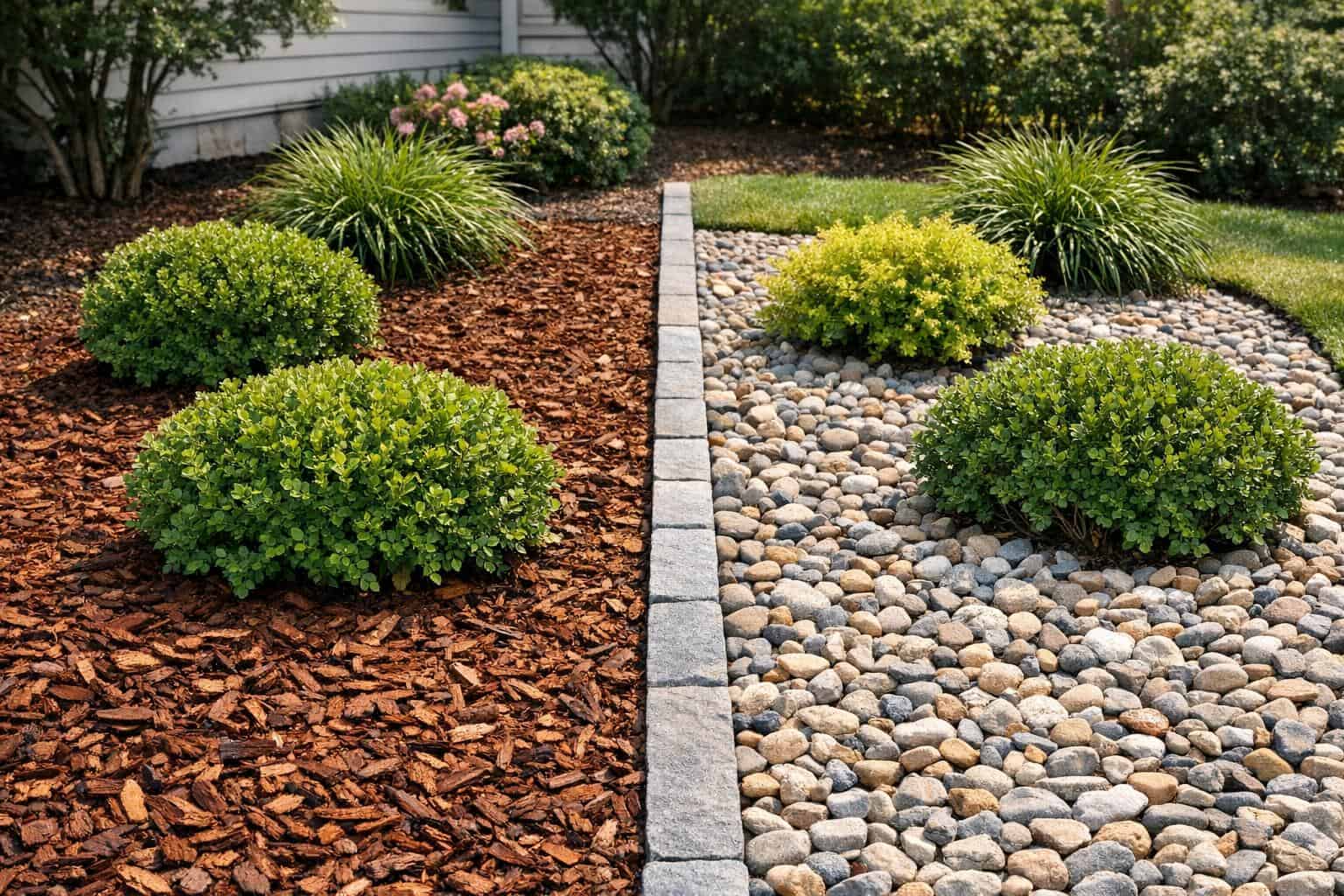
    Mulched planting bed around a home with shrubs and flowers showing organic coverage and finished edges.
    Mulch often works well where plant health, soil improvement, and a softer garden look matter most.

    Mulch is often favored because it looks natural, helps moderate soil temperature, and works well around many shrubs, perennials, and young plantings. It can also make a bed feel softer and more connected to the garden, especially when the design leans toward a planted, layered look.

    Mulch does need refreshing over time, which is part of the long-term maintenance picture. For homeowners building new beds, the planting installation guide helps frame where mulch often fits best.

    Why rock appeals to some homeowners

    Rock can offer a cleaner, more permanent-looking finish and may suit modern or low-water landscape styles. It usually does not break down the way mulch does, so some homeowners see it as a lower-renewal option. In dry-climate or architectural landscapes, that can be a strong aesthetic and practical match.

    The tradeoff is that rock can hold heat, shift over time, and still require weed management. It is not automatically maintenance-free just because it lasts longer as a material.

    Weeds, cleanup, and upkeep

    Both mulch and rock can have weed issues if the bed is not prepared well. Mulch may need periodic topping up and cleanup, while rock can collect debris and become harder to tidy once leaves and organic matter settle into it. What feels like “less work” depends a lot on the yard and the owner’s expectations.

    Homeowners focused on simpler upkeep should also compare the broader low-maintenance landscaping approach, because plant selection and irrigation often affect labor just as much as ground cover choice.

    Heat, plant health, and appearance

    Mulch usually supports a softer planted look and can be friendlier around certain root zones. Rock can visually sharpen a bed and may fit drought-tolerant schemes, but in hotter climates it can intensify reflected heat around some plants. That is why material should be chosen with plant palette and exposure in mind, not just color preference.

    Cost and long-term value

    Decorative rock and mulch materials compared in a residential landscape based on appearance and replacement needs.
    Mulch and rock have different long-term value once replacement cycles, cleanup, and plant performance are considered.

    Mulch may cost less upfront in some projects, while rock can cost more to supply and install depending on the material and depth. Over time, the cost picture shifts because mulch often needs replenishment and rock may need periodic cleanup or resetting. The best comparison is how each material performs in the exact part of the yard where you plan to use it.

    Homeowners who think about appearance, heat, maintenance, and plant health together usually make a better long-term choice than those who pick ground cover on looks alone.

    Buying guide: Homeowners trying to source bed and ground-cover products can use the Where to Buy Landscaping Materials Guide before pricing local suppliers.

    Lifespan guide: The ground-cover lifespan guide helps homeowners connect material choice to refresh timing and long-term upkeep.

    More Comparison and Decision Guides


  • Privacy Landscaping Guide for Homeowners

    Privacy Landscaping Guide for Homeowners

    Privacy landscaping helps homeowners create separation without making the yard feel closed off or harsh. Instead of relying only on a fence or wall, privacy planting uses hedges, small trees, shrubs, grasses, and layered beds to block views, soften boundaries, and make outdoor living spaces feel more comfortable.

    The best privacy plan depends on what you are screening and how quickly you need results. Some homeowners want year-round backyard privacy from nearby windows. Others want to soften a fence line, separate a patio from a neighboring property, or create visual screening around a pool, fire pit, or outdoor dining area. Those are different goals, and they lead to different planting choices.

    How privacy landscaping usually works

    Most privacy landscapes use layering rather than one single row of plants. A solid hedge can work well in the right location, but layered planting often looks better and can be easier to maintain over time. A common approach is to combine taller anchor plants with medium shrubs, ornamental grasses, and lower planting that finishes the bed. This creates more depth and helps the screen look intentional from inside the yard.

    If the privacy area is part of a larger outdoor-living zone, it should be planned together with hardscape and seating. Homeowners creating a patio, fire feature, or dining space may also want to review the outdoor kitchen guide or fire pit guide so the privacy planting supports how the space will actually be used.

    Choosing the right type of screen

    Evergreen hedges are popular because they offer year-round coverage and a clean look, but they are not the only solution. Small trees can raise the screening higher where neighbor sightlines come from upper windows. Ornamental grasses can soften views in a modern landscape. Mixed shrub borders can create privacy while still looking natural and varied.

    The right choice depends on mature size, maintenance needs, sun exposure, irrigation access, and how much room the bed has to grow. A plant that looks tidy at installation can become a constant pruning chore if spacing is too tight or the variety is wrong for the site.

    Spacing, growth, and maintenance

    One of the biggest mistakes in privacy landscaping is planning only for day one. Plants are often installed closer together than their mature size allows because the homeowner wants instant coverage. That can create crowding, poor airflow, disease pressure, and expensive maintenance later. It is usually smarter to design for healthy mature growth and accept that privacy builds over time.

    Irrigation also matters. New privacy plantings often need regular establishment watering, and ongoing water needs depend on climate and plant type. If the bed will be irrigated automatically, the irrigation system guide can help clarify what should be planned before planting begins.

    Blending privacy with overall yard design

    Privacy planting should not feel like an isolated wall of green unless that is the explicit style goal. The most successful screens are integrated into the rest of the yard through edging, lighting, mulch, and surrounding bed design. Lighting can make privacy planting useful at night while also adding security and atmosphere. If that matters for the space, the landscape lighting guide is worth reviewing alongside the planting plan.

    Privacy beds also benefit from a clear maintenance strategy. Homeowners who want lower upkeep may prefer broader, simpler masses of durable plants. Those who want a more layered and refined look should expect more pruning, cleanup, and seasonal attention. The low-maintenance landscaping guide can help set realistic expectations.

    What privacy landscaping may cost

    Privacy landscaping costs depend on plant size, quantity, soil preparation, irrigation, access, and whether any hardscape or grading is included. Larger material may provide more immediate screening, but it usually costs substantially more to buy, transport, and install. A mixed border can also cost more than a single-species hedge because it uses more plant types and design labor.

    Privacy Landscaping Guide for Homeowners related example showing Layered privacy landscaping with screening plants, mulch beds, and fence-line layout detail
    This privacy example gives homeowners a visual reference for comparing layout, materials, and maintenance tradeoffs before starting the project.

    When comparing quotes, ask how the contractor is balancing mature size, installation spacing, irrigation, and maintenance. A cheaper initial layout may not stay attractive or practical over time.

    Questions to ask before moving forward

    • What view or exposure is this planting intended to block?
    • How large will these plants get at maturity, and how much pruning will they need?
    • Will this screen provide privacy year-round or only seasonally?
    • What irrigation plan supports establishment and long-term health?
    • How does this privacy bed fit into the rest of the yard design?

    Privacy landscaping is at its best when it solves a practical need and improves the feel of the yard at the same time. Homeowners who plan for growth, maintenance, and overall layout usually get a softer, more useful result than those who rush into a single quick screen.

    Privacy Landscaping Guide for Homeowners related example showing Residential privacy landscaping scene with layered screening plants, planting beds, and fence line context
    This related privacy detail helps show how site conditions and finish choices can change the homeowner's plan.

    Related guide: If privacy planting is no longer screening well or is making the yard harder to use, the Signs Privacy Landscaping Needs an Upgrade Guide can help clarify whether trimming is enough.

    Cost guide: If you are budgeting for screening, the Privacy Landscaping Cost Guide breaks down the biggest price drivers.

    Quote guide: The privacy landscaping quote guide helps homeowners compare screening strategy, plant size, irrigation support, and bed-finish scope.

    Timeline guide: The privacy landscaping timeline guide helps homeowners compare sourcing, bed prep, installation, and finish timing.

    Expectations guide: The privacy landscaping expectations guide helps homeowners understand plant staging, bed prep, irrigation changes, and finish timing.

    Mistakes guide: The privacy landscaping planning mistakes guide helps homeowners catch screening, spacing, and irrigation mistakes before planting begins.

    Maintenance guide: The privacy landscaping maintenance guide helps homeowners manage watering, pruning, and long-term screen density.

    Warning signs guide: The privacy landscaping attention signs guide helps homeowners judge thinning, weak density, and irrigation-related stress before the screen declines further.

    More Service Planning Guides

    More Privacy Ideas and Example Guides

    More Backyard Privacy Planning Guides

    More Evergreen Privacy Guides

    More Privacy Use-Case Guides

    More Pool and Screen-Type Guides

    More Patio and Hedge-Form Guides

    More Side-Yard and Spacing Guides

    More Neighbor-Line and Maintenance Guides

    More Corner Lot and Establishment Guides

    More Patio-Adjacent Privacy Guides

    More Driveway-Side and Installation Guides

    More Utility-Zone and Root-Care Guides

    More Elevated-View and Soil-Care Guides

    More Specialty Privacy Use-Case Guides

    More Raised-Deck and Screen-Reset Guides

    Related homeowner planning guides

    Use these next-step guides to make the project more specific before comparing estimates or choosing materials.

    Related homeowner planning guides

    Use these next-step guides to narrow the project before choosing materials, comparing estimates, or changing the layout.

    More specific homeowner planning guides

    Use these deeper guides when the broad project direction is clear and the next decision is about layout, materials, maintenance, or cost tradeoffs.

    More specific homeowner planning guides

    Use these deeper guides when the broad project direction is clear and the next decision is about layout, materials, access, maintenance, or cost tradeoffs.


  • Erosion Control Guide for Homeowners

    Erosion Control Guide for Homeowners

    Erosion is more than a cosmetic landscaping issue. When soil washes away, homeowners can lose planting beds, expose roots, undermine hardscape, create muddy runoff, and place stress on slopes or structures. In some yards, erosion appears slowly as thinning soil and exposed areas. In others, it shows up quickly after storms as rills, channels, washed mulch, or sediment collecting where it should not.

    The right fix depends on why the soil is moving in the first place. Water concentration, steep grade changes, poor vegetation cover, gutter discharge, bare soil, compacted surfaces, and neighboring runoff patterns can all contribute. That is why erosion control should be treated as a site problem first and a planting problem second.

    Signs a yard may need erosion control

    Homeowners often notice erosion after heavy rain, but the warning signs can appear well before that. Bare patches on a slope, exposed roots, washed-out mulch, sediment on walkways, low spots forming near runoff paths, and areas where water consistently carves channels through the soil are all common signals. If a retaining wall, fence, or patio edge is starting to look undermined, the issue may be more serious than surface damage.

    Erosion Control Guide for Homeowners related example showing Landscape beds and groundcover materials relevant to homeowner quantity planning for mulch, soil, and decorative rock
    This materials example gives homeowners a visual reference for comparing layout, materials, and maintenance tradeoffs before starting the project.

    When runoff is the main driver, the best starting point is often the broader drainage guide. If the yard has grade problems, the grading and yard leveling guide can help clarify whether reshaping the site should happen before adding stabilization materials.

    Common residential erosion causes

    In residential landscapes, erosion usually comes from concentrated water flow rather than one dramatic event. Downspouts may release too much water in one area. A patio or driveway may shed water toward a bed or slope. Soil may be left exposed after a project, with no planting or protective cover. In some cases, irrigation overspray contributes to surface loss over time. Steeper slopes and sparse root systems make these conditions worse.

    Yards with repeated runoff often need a combination of solutions, not a single fix. For example, a homeowner may need better drainage collection, regrading, denser planting, and mulch or rock coverage together. Treating only the visible damage without redirecting the water usually leads to repeat failure.

    Common erosion-control solutions

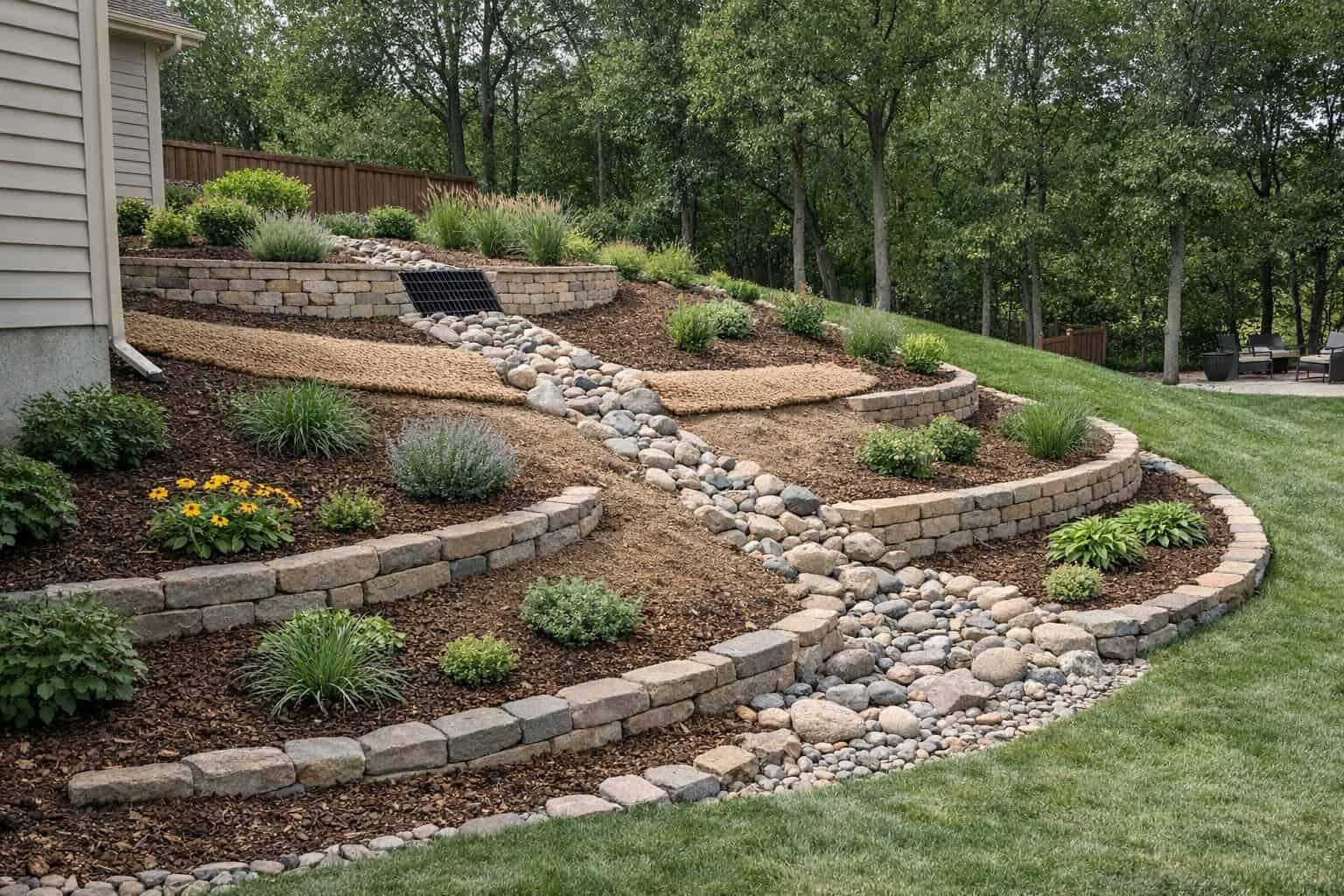
    Solutions vary based on slope, soil type, drainage pattern, and severity. Planting deep-rooted ground cover can help hold soil in place. Mulch blankets or erosion-control matting may stabilize exposed surfaces while vegetation establishes. In tougher areas, contractors may use rock swales, channel lining, edging, small retaining structures, or grade reshaping to slow and redirect runoff.

    Hardscape solutions are not always the first choice, but they can be necessary when the slope is steeper or when soil movement threatens surrounding structures. If wall construction is part of the plan, the retaining wall guide and the retaining wall material comparison can help frame the conversation.

    How planting supports erosion control

    Planting helps most when it is part of a broader stabilization strategy. Dense root systems protect the surface, reduce splash erosion, and improve soil structure over time. But planting alone may fail if water is still moving too fast across the site. Matching plant choice to exposure, moisture, and slope conditions is essential.

    For homeowners who want a softer-looking fix, combining stabilization with a planting installation plan can make the final result look intentional rather than purely functional.

    How much erosion-control work may cost

    Costs depend heavily on site access, slope severity, drainage corrections, and how much material is needed to stabilize the area. A simple planting-and-mulch fix is very different from a project that includes trench drainage, grade changes, rock work, or structural support. As with most yard work, the labor behind the fix often matters as much as the visible materials.

    Erosion Control Guide for Homeowners related example showing Landscape beds and groundcover materials relevant to homeowner quantity planning for mulch, soil, and decorative rock
    This related materials detail helps show how site conditions and finish choices can change the homeowner's plan.

    When comparing estimates, ask contractors which part of the work addresses the cause, which part protects the surface, and how long the stabilization may take to fully establish. That is especially important when vegetation is part of the solution.

    Questions to ask a contractor

    • What is causing the erosion on this site, and how are you addressing that cause directly?
    • Will the solution rely on planting, hardscape, drainage work, or a combination?
    • How will runoff behave differently after this work is complete?
    • What maintenance should be expected while the area establishes?
    • Are there sections of the yard that need grading before surface stabilization begins?

    Erosion control works best when it is treated as part of the whole landscape system. Homeowners who solve runoff, grade, and stabilization together usually get a cleaner-looking yard and a more durable result.

    Materials guide: Homeowners working on grade-sensitive sites can also use the sloped-yard materials guide before choosing surfaces and ground cover.

    Quote guide: The erosion control quote guide helps homeowners compare runoff diagnosis, stabilization methods, drainage measures, and slope-treatment scope.

    Timeline guide: The erosion control timeline guide helps homeowners compare diagnosis, stabilization work, planting, and follow-up expectations.

    Expectations guide: The erosion control expectations guide helps homeowners understand early site disruption, stabilization steps, and follow-up timing.

    Mistakes guide: The erosion control planning mistakes guide helps homeowners catch runoff-diagnosis and stabilization-strategy mistakes before work begins.

    Maintenance guide: The erosion control maintenance guide helps homeowners monitor runoff, slope condition, and stabilization performance over time.

    Warning signs guide: The erosion control warning signs guide helps homeowners judge renewed runoff, exposed soil, and slope movement before the problem worsens.

    More Service Planning Guides


  • Low-Maintenance Landscaping Guide for Homeowners

    Low-Maintenance Landscaping Guide for Homeowners

    Low-maintenance landscaping is one of the most common goals homeowners bring to a project, but it does not mean zero work and it does not mean the same thing on every property. For some households, it means reducing lawn area. For others, it means simplifying planting choices, improving irrigation efficiency, and using materials that age gracefully with less intervention.

    This guide explains what low-maintenance landscaping really involves and how to plan it realistically.

    What low-maintenance usually means

    • simpler planting palettes with fewer fussy species
    • better spacing and structure in garden beds
    • less lawn to mow and irrigate
    • hardscape that organizes use areas clearly
    • watering and maintenance plans that fit real homeowner habits

    How to build a lower-maintenance yard

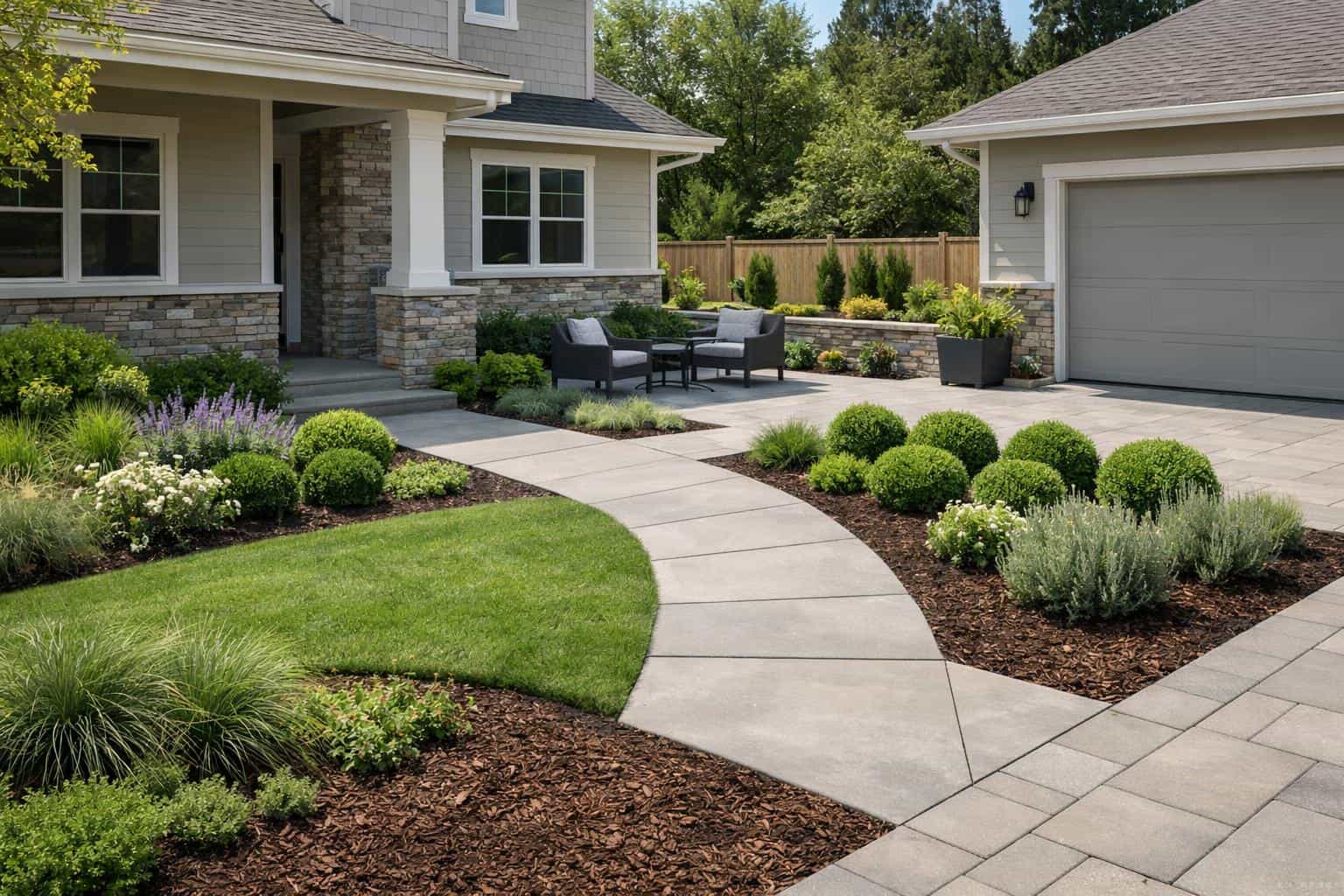
    Many low-maintenance landscapes rely on smart combinations of planting, hardscape, irrigation, and mulch or stone coverage. The goal is not to strip the yard of character. It is to create an outdoor space that still looks intentional without demanding constant catch-up work.

    Related reading includes our guides on planting installation, irrigation, and maintenance plans.

    What homeowners should remember

    A low-maintenance yard is usually the result of good planning, not just fewer plants. The best solutions match the climate, the way the property is used, and the amount of care the homeowner can realistically provide over time.

    Related comparison: Ground-cover choices shape maintenance as much as plant selection. The Mulch vs Rock Landscaping Guide for Homeowners helps compare two common bed-finishing options.

    Related guide: Homeowners aiming for simpler upkeep and reduced water use may also want the Low-Water Landscaping Guide for Homeowners.

    Materials criteria: The low-maintenance material guide breaks down what “easy upkeep” usually means in practical terms.

    More Low-Maintenance Landscaping Guides

    More Decision and Planning Guides

    More Low-Maintenance Ideas and Example Guides

    More Low-Maintenance Side Space Guides

    More Low-Maintenance Backyard Edge Guides

    More Low-Maintenance Perimeter Guides

    More Low-Maintenance Corner Guides

    More Low-Maintenance Bed Guides

    More Low-Maintenance Foundation Guides

    More Low-Maintenance Entry Refresh Guides

    More Low-Maintenance Front Corner Guides

    More Low-Maintenance Mailbox Guides

    More Front Bed Maintenance Guides

    More Low-Maintenance Entry Shrub Guides

    More Low-Maintenance Front Bed Care Guides

    More Low-Maintenance Front Material Guides

    Related homeowner planning guides

    Use these next-step guides to make the project more specific before comparing estimates or choosing materials.

    Related homeowner planning guides

    Use these next-step guides to narrow the project before choosing materials, comparing estimates, or changing the layout.

    More specific homeowner planning guides

    Use these deeper guides when the broad project direction is clear and the next decision is about layout, materials, maintenance, or cost tradeoffs.

    Low-Maintenance Landscaping Guide for Homeowners related example showing Groundcover and hardscape materials relevant to comparing real long-term maintenance demands
    This low maintenance example gives homeowners a visual reference for comparing layout, materials, and maintenance tradeoffs before starting the project.

    More specific homeowner planning guides

    Use these deeper guides when the broad project direction is clear and the next decision is about layout, materials, access, maintenance, or cost tradeoffs.

    Low-Maintenance Landscaping Guide for Homeowners related example showing Low-water landscape bed materials including rock and mulch relevant to drought-conscious groundcover selection
    This related low maintenance detail helps show how site conditions and finish choices can change the homeowner's plan.