Landscaping Guru

  • Outdoor Kitchen Guide for Homeowners

    Outdoor Kitchen Guide for Homeowners

    An outdoor kitchen can turn a patio or backyard into a true living space, but it also adds more planning complexity than a basic seating area or fire feature. Homeowners usually need to think through layout, cooking style, countertop space, utility connections, weather exposure, drainage, lighting, and how the new kitchen relates to the rest of the yard.

    The most successful projects start with function, not just appearance. Before choosing appliances or finishes, it helps to decide how the space will actually be used. Some households want a simple built-in grill and prep counter. Others want a larger entertaining zone with refrigeration, storage, bar seating, shade, and room for serving. The scope drives the budget, timeline, and contractor team you may need.

    What an outdoor kitchen project usually includes

    Outdoor kitchens vary widely, but most projects are built from a few core components: a cooking appliance, work surface, durable base structure, and surrounding patio or gathering area. More advanced builds may also include electrical service, gas lines, sink plumbing, task lighting, refrigeration, or overhead cover.

    In many yards, the kitchen itself is only part of the work. Contractors may also need to extend a patio, improve grading, adjust drainage, add retaining walls, or strengthen the surface under the finished structure. That is why it helps to review the broader landscaping project process before construction starts.

    How to choose the right layout

    Layout affects both convenience and cost. A straight run with a grill and prep space is often the simplest and most budget-friendly option. L-shaped and U-shaped layouts create more working room and can support entertaining, but they require more material, more coordination, and more yard space. If the kitchen is too far from the house, utility runs can become more expensive. If it is too close to doors or tight walkways, daily use can feel cramped.

    Homeowners should also think about circulation. Guests need room to gather without blocking the cook, and the kitchen should connect naturally to dining, seating, and lighting. If you are already planning a new patio, reviewing a patio installation guide can help you coordinate both spaces as one project.

    Utilities and infrastructure matter more than finishes

    Appliances get attention, but the infrastructure behind them is often what determines whether a project feels easy or frustrating. Gas, electrical, and water requirements should be addressed early. A contractor may need to trench for service lines, coordinate licensed trades, or meet local code requirements for shutoffs and clearances. Ventilation, drainage, and weather protection also matter, especially around cabinets and appliances.

    If the site has slope or water issues, tackle them before the kitchen is built. Pooling water, unstable base conditions, or poor runoff can shorten the life of hardscape and utility components. In those cases, it is smart to compare solutions in the drainage guide or the grading and yard leveling guide.

    Best materials for outdoor kitchens

    Outdoor kitchens need materials that can handle weather, moisture, heat, and routine cleaning. Stone, concrete, masonry veneer, stainless steel, and outdoor-rated surfaces are common choices because they hold up better than many indoor materials. The right finish depends on climate, maintenance tolerance, and the style of the home.

    It is worth asking contractors why they recommend a particular material system, how it performs over time, and what routine care it needs. A beautiful design is less useful if surfaces stain easily, metal components rust, or cabinet materials break down in sun and rain.

    How much an outdoor kitchen may cost

    Outdoor kitchen costs vary sharply based on size, appliances, utility work, and surrounding hardscape. A compact grill-and-counter project is very different from a full entertaining kitchen with refrigeration, bar seating, lighting, and overhead structure. Labor complexity often rises when electrical, gas, and plumbing are combined with masonry work.

    When comparing bids, focus on what is actually included. Some proposals price only the kitchen structure, while others include appliance installation, prep counters, utility rough-ins, permits, or adjacent patio work. The broader landscaping costs guide can help you understand where those cost differences come from.

    Questions to ask before hiring

    • Will this contractor handle only the hardscape, or coordinate electrical, gas, and plumbing trades too?
    • What base preparation is included beneath the kitchen and surrounding patio?
    • How are drainage and runoff handled around the finished structure?
    • Which finishes and appliances are rated for outdoor use in this climate?
    • What access, shutdowns, inspections, or permit steps should be expected?

    What to expect during the project

    Most outdoor kitchens move through site prep, utility rough-in, structure construction, surface finishing, appliance install, and final cleanup. Weather, inspections, and material lead times can all affect the schedule. Temporary disruption is normal, especially if the new kitchen connects to an existing patio, walkway, or dining zone.

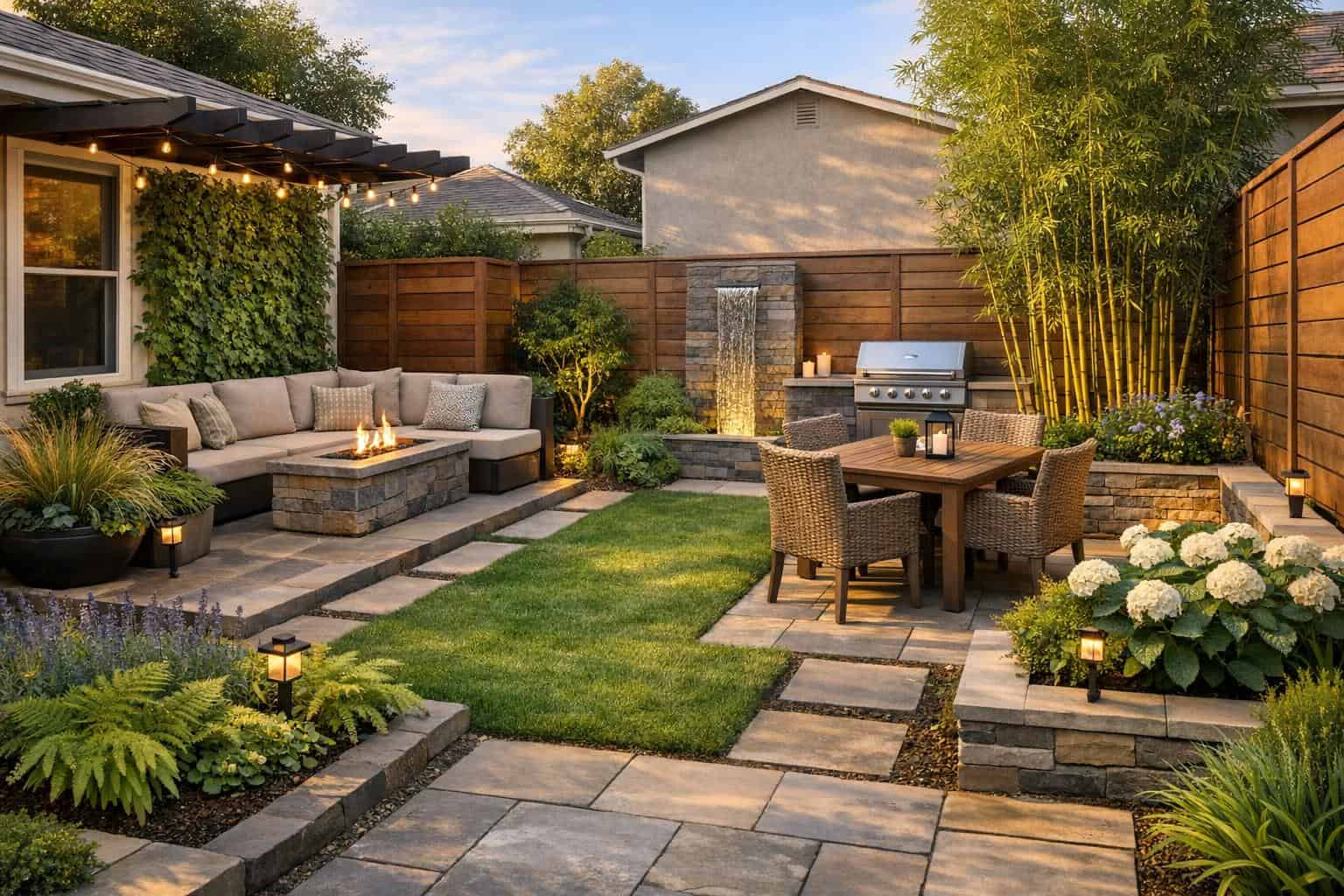
    Outdoor Kitchen Guide for Homeowners related example showing Outdoor kitchen construction detail relevant to utility work, finish scope, and quote comparison for homeowners
    This outdoor kitchen example gives homeowners a visual reference for comparing layout, materials, and maintenance tradeoffs before starting the project.

    If the goal is to create a complete outdoor-living space, many homeowners also pair the kitchen with a fire pit, landscape lighting, and upgraded planting around the entertaining area. Thinking through the whole yard plan can prevent expensive rework later.

    An outdoor kitchen should make the yard easier to enjoy, not just more expensive to build. Homeowners who focus on workflow, utility planning, and durable materials tend to get better long-term value than those who design around appearance alone.

    Cost guide: If you are comparing bids, the What Affects Outdoor Kitchen Cost Guide explains why utilities, appliances, and patio integration can change the number quickly.

    Process guide: The Outdoor Kitchen Installation Guide breaks the project into the main phases homeowners usually experience on-site.

    Quote guide: The outdoor kitchen quote guide helps homeowners compare utility, appliance, and finish completeness across bids.

    Timeline guide: The outdoor kitchen timeline guide helps homeowners understand how utilities, finish level, and appliance setup affect project length.

    Maintenance guide: The outdoor kitchen maintenance guide helps homeowners protect finishes, appliances, and long-term usability.

    Mistakes guide: The outdoor kitchen planning mistakes guide helps homeowners catch layout, utility, and finish-level mismatches before construction.

    Warning signs guide: The outdoor kitchen warning signs guide helps homeowners judge wear, appliance trouble, and when the space needs more than routine upkeep.

    More Service Planning Guides

    More Outdoor Kitchen Layout Guides

    More Outdoor Kitchen Workflow Guides

    More Outdoor Kitchen Workflow Guides

    More Outdoor Kitchen Dining Guides

    More Outdoor Kitchen Counter Guides

    More Outdoor Kitchen Counter-Space Guides

    More Outdoor Kitchen Workflow Guides

    More Outdoor Kitchen Cleanup Guides

    More Outdoor Kitchen Storage Guides

    More Outdoor Kitchen Sink Guides

    More Outdoor Kitchen Cold-Storage Guides

    More Outdoor Kitchen Appliance-Zone Guides

    More Outdoor Kitchen Serving Guides

    Related homeowner planning guides

    Use these next-step guides to make the project more specific before comparing estimates or choosing materials.

    Related homeowner planning guides

    Use these next-step guides to narrow the project before choosing materials, comparing estimates, or changing the layout.

    More specific homeowner planning guides

    Use these deeper guides when the broad project direction is clear and the next decision is about layout, materials, maintenance, or cost tradeoffs.

    More specific homeowner planning guides

    Use these deeper guides when the broad project direction is clear and the next decision is about layout, materials, access, maintenance, or cost tradeoffs.

    Outdoor Kitchen Guide for Homeowners related example showing Residential outdoor kitchen with grill, counters, patio, and features that affect project cost
    This related outdoor kitchen detail helps show how site conditions and finish choices can change the homeowner's plan.

  • Artificial Turf vs Natural Grass Guide for Homeowners

    Artificial Turf vs Natural Grass Guide for Homeowners

    Homeowners comparing artificial turf and natural grass are usually trying to solve a mix of issues at once: maintenance, water use, appearance, mud, patchiness, and how much time they want to spend caring for the yard. Both options can make sense, but they come with different tradeoffs in cost, feel, drainage behavior, and long-term expectations.

    This guide breaks that decision into practical homeowner terms.

    How artificial turf and natural grass differ

    • Artificial turf: reduces mowing and day-to-day lawn care, but has a higher installation cost and a more constructed feel.
    • Natural grass: offers a classic living surface and often a lower upfront installation cost, but needs irrigation, seasonal care, and ongoing maintenance.
    • Key tradeoff: turf can reduce routine work, while natural grass offers a softer living landscape experience if you are willing to maintain it.

    Upfront cost versus long-term upkeep

    Artificial turf usually costs more to install than sod or seed, especially when the base, drainage, edging, and finish details are handled properly. Natural grass often costs less upfront but carries recurring maintenance, irrigation, fertilization, and repair costs over time.

    Artificial Turf vs Natural Grass Guide for Homeowners related example showing Lawn detail relevant to thinning, irrigation stress, and warning signs
    This lawn example gives homeowners a visual reference for comparing layout, materials, and maintenance tradeoffs before starting the project.

    If you are also weighing lawn establishment, our sod and lawn installation guide is useful alongside this page.

    Drainage, heat, and feel underfoot

    These differences matter more than many homeowners expect. Artificial turf behaves differently with heat and surface feel, and its drainage depends heavily on the base and installation quality. Natural grass changes seasonally and can become muddy or patchy when drainage or irrigation is poor. That is why this decision often connects to broader water-management planning.

    Questions to ask before choosing

    • What is the real problem I am trying to solve: water use, maintenance, mud, durability, or appearance?
    • How much seasonal lawn care am I realistically willing to keep up with?
    • How will drainage be handled with this option?
    • How will the surface feel and look in the climate where I live?
    • What will long-term upkeep actually look like for this choice?

    What homeowners should remember

    The best choice is usually the one that matches how you actually want to live with the yard. Some properties benefit from real grass, some benefit from artificial turf, and some benefit from reducing lawn area altogether. If you want that broader perspective, read our low-maintenance landscaping guide too.

    Artificial Turf vs Natural Grass Guide for Homeowners related example showing Lawn detail relevant to planning mistakes, prep, and irrigation decisions
    This related lawn detail helps show how site conditions and finish choices can change the homeowner's plan.

    Service guide: The Artificial Turf Installation Guide explains how base prep, drainage, and edge detail shape the finished result.

    More Decision and Planning Guides


  • Grading and Yard Leveling Guide for Homeowners

    Grading and Yard Leveling Guide for Homeowners

    Grading and yard leveling are often the hidden foundation of a successful landscape project. Homeowners usually notice the visible symptoms first: standing water, awkward slopes, muddy lawn areas, patios that feel disconnected from the yard, or low spots that make mowing and drainage harder. But those symptoms often point back to a grade issue underneath the surface.

    This guide explains what grading work usually includes, when yard leveling matters most, and how it connects to drainage, lawn installation, patios, and retaining walls.

    What grading usually includes

    Grading work may involve reshaping the surface, redistributing soil, correcting low spots, adjusting slope near structures, preparing for sod or planting, and coordinating with drainage features. Some projects are simple surface corrections. Others are part of a broader plan that includes walls, patios, irrigation, or lawn replacement.

    Grading and Yard Leveling Guide for Homeowners related example showing Landscape beds and groundcover materials relevant to homeowner quantity planning for mulch, soil, and decorative rock
    This materials example gives homeowners a visual reference for comparing layout, materials, and maintenance tradeoffs before starting the project.
    • Common goals: improve drainage, create flatter usable areas, support hardscape, and make lawn or planting installation more successful.
    • Main performance factors: slope direction, soil stability, compaction, and how the grade connects to surrounding structures and surfaces.

    Why grading matters before other upgrades

    Homeowners often want to jump to the visible layer first, whether that is new sod, a patio, or refreshed planting beds. But if the grade underneath is sending water the wrong way or creating awkward transitions, those upgrades may not perform the way you expect. That is why grading often belongs early in the project sequence.

    Our drainage vs regrading guide is especially helpful if you are trying to decide whether surface shaping, drainage components, or both are the right answer.

    Grading and usable outdoor space

    Yard leveling is not only about solving water issues. It can also make the space more usable. A better grade can improve circulation, make lawn areas easier to maintain, create a cleaner transition into a patio, and reduce the need for constant workarounds in the landscape design.

    Questions to ask before hiring

    • What is the main problem the grading work is solving?
    • How will the new surface direct water differently?
    • Will this grading affect patios, walls, lawn, or irrigation elsewhere on the property?
    • Is compaction or additional base work needed for the next phase?
    • What visible changes should I expect once the work is complete?

    What homeowners should remember

    Good grading often goes unnoticed once the landscape is complete, and that is exactly the point. It should make everything above it work better. When a contractor can clearly explain how the grade affects water, use, and the next phase of the project, you are much more likely to make the right call before money is spent on visible finishes.

    Grading and Yard Leveling Guide for Homeowners related example showing Landscape beds and groundcover materials relevant to homeowner quantity planning for mulch, soil, and decorative rock
    This related materials detail helps show how site conditions and finish choices can change the homeowner's plan.

    Related guide: If soil movement is showing up after storms or on a slope, the Erosion Control Guide for Homeowners explains how stabilization and runoff management often need to work together.

    Related guide: If you are still not sure whether the grade itself is the problem, the Signs You Need Regrading Guide can help narrow the issue before choosing a fix.

    More Planning and Decision Guides

    More Slope and Grade Planning Guides


  • Fire Pit Installation Guide for Homeowners

    Fire Pit Installation Guide for Homeowners

    A fire pit can turn an ordinary patio or backyard into a true gathering space, but it works best when it is planned as part of the larger layout rather than dropped into the yard wherever there seems to be space. Seating distance, surface materials, circulation, lighting, and surrounding planting all affect how comfortable and practical the feature feels once it is built.

    This guide helps homeowners understand what fire pit installation usually includes and what to think through before hiring.

    What fire pit installation usually includes

    Residential fire pit projects may include excavation, base preparation, the fire feature itself, surrounding hardscape, seating layout, and sometimes lighting or low walls. On some properties, the fire pit is the centerpiece of a larger patio plan. On others it is a secondary destination tied to walkways or a backyard seating area.

    • Common formats: built-in masonry fire pits, block systems, gas fire features, and integrated patio/fire-pit zones.
    • Common project needs: proper clearances, stable surrounding surfaces, seating space, and good circulation around the feature.
    • Main planning factors: size, location, fuel type, wind exposure, nearby structures, and how the fire pit fits the rest of the yard.

    Location matters as much as the feature itself

    Homeowners often imagine the fire pit first and the layout second, but the surrounding space is what determines whether the feature feels enjoyable or cramped. A fire pit should work comfortably with seating, access paths, and nearby patios or planting beds. It should also feel appropriately separated from structures and overhanging elements.

    Fire Pit Installation Guide for Homeowners related example showing Landscape beds and groundcover materials relevant to homeowner quantity planning for mulch, soil, and decorative rock
    This materials example gives homeowners a visual reference for comparing layout, materials, and maintenance tradeoffs before starting the project.

    If the feature is part of a larger outdoor-living area, our patio guide is a useful companion.

    Surface and seating planning

    Fire pits work best when the ground around them is stable, intentional, and easy to move through. That usually means hardscape, compacted surface planning, or another defined treatment instead of loose improvised space. Homeowners should also think about how many people the area should comfortably hold and whether the fire feature is a primary gathering area or a secondary accent.

    Questions to ask before hiring

    • How should the fire pit be positioned relative to seating and circulation?
    • What surrounding surface is included in the project?
    • How will the feature connect to nearby patio or pathway areas?
    • What maintenance should I expect for this material and fuel type?
    • How will lighting and surrounding planting be handled so the area feels finished at night?

    What homeowners should remember

    A fire pit is not just an object. It is a gathering zone. The best results come when the feature is planned with the surrounding patio, lighting, and circulation in mind so it feels like part of the landscape instead of a standalone add-on.

    Fire Pit Installation Guide for Homeowners related example showing Landscape beds and groundcover materials relevant to homeowner quantity planning for mulch, soil, and decorative rock
    This related materials detail helps show how site conditions and finish choices can change the homeowner's plan.

    Planning tip: If your fire feature is part of a larger entertaining zone, the Outdoor Kitchen Guide for Homeowners can help you think through layout, utility planning, and how multiple features should work together.

    Compare fuel types: If you are deciding what kind of fire feature fits your yard best, the Fire Pit Gas vs Wood Guide for Homeowners breaks down convenience, atmosphere, and cleanup tradeoffs.

    Cost guide: Homeowners comparing proposals can use the What Affects Fire Pit Cost Guide to connect fuel type and hardscape scope with the budget.

    Quote guide: The fire pit quote guide helps homeowners compare fuel assumptions, hardscape tie-ins, and finish scope across bids.

    Timeline guide: The fire pit timeline guide helps homeowners compare planning, utility coordination, installation, and finish-detail timing.

    Expectations guide: The fire pit expectations guide helps homeowners understand access changes, utility coordination, and finish-work flow during the project.

    Mistakes guide: The fire pit planning mistakes guide helps homeowners catch layout, fuel, and seating mistakes before construction starts.

    Maintenance guide: The fire pit maintenance guide helps homeowners protect the feature, surrounding surfaces, and seasonal usability over time.

    Warning signs guide: The fire pit repair or upgrade signs guide helps homeowners judge surface wear, function problems, and when the feature may need more than routine upkeep.

    More Service Planning Guides

    More Fire Pit Layout and Use Guides


  • Walkway and Pathway Installation Guide for Homeowners

    Walkway and Pathway Installation Guide for Homeowners

    Walkways and pathways do more than connect one point of the yard to another. They shape how people move through the property, influence drainage patterns, improve safety, and help outdoor spaces feel finished. When they are planned well, they support the whole landscape. When they are added as an afterthought, they can feel awkward, drain poorly, or create maintenance headaches.

    This guide explains what walkway installation usually includes, what affects cost and material choice, and what homeowners should think about before hiring.

    What walkway installation usually includes

    Walkway projects often involve layout planning, excavation, base preparation, edge definition, grade adjustments, and final surface installation. Depending on the property, the project may also include lighting, step transitions, drainage adjustments, planting-bed integration, or connections to patios, driveways, and entry areas.

    Walkway and Pathway Installation Guide for Homeowners related example showing Front entry walkway with edging, planting beds, and material detail relevant to pathway cost planning
    This walkway example gives homeowners a visual reference for comparing layout, materials, and maintenance tradeoffs before starting the project.
    • Common materials: poured concrete, pavers, natural stone, gravel, and stepping-stone style paths.
    • Common goals: improve access, create clearer circulation, connect activity zones, and reduce worn paths through lawn or beds.
    • Main performance factors: base prep, slope, width, edge restraint, and how the path fits the way the property is actually used.

    Circulation comes before material

    Homeowners often start with the finish they like, but layout is usually the more important question. A good walkway should follow natural movement patterns and make the yard easier to navigate. It should feel obvious, not forced. That is especially true around entries, side yards, backyard gathering areas, and transitions between the driveway, patio, and lawn.

    This is one reason walkway planning belongs inside the broader framework described in our landscaping services guide.

    Material choice changes look and maintenance

    Concrete can be practical and clean-lined. Pavers offer pattern variety and easier localized repair. Natural stone can create a more organic look but may increase cost and installation complexity. Gravel paths can work well in some gardens, though they behave differently under traffic and maintenance.

    The right material depends on style, budget, climate, maintenance tolerance, and how formal or informal the space should feel.

    Drainage and grade matter on pathways too

    A walkway should not collect water, create slippery low spots, or send runoff toward the house. Paths are often small enough that homeowners underestimate drainage, but poor water handling can still shorten surface life and create safety issues. If the area already has runoff problems, read our drainage guide alongside this one.

    Questions to ask before hiring

    • How wide should this walkway be for the way we use the space?
    • How will slope and drainage be handled?
    • What base preparation is included?
    • How will the walkway connect to patios, steps, or the driveway?
    • What maintenance should I expect from this material choice?

    What homeowners should remember

    A walkway is one of the most useful connective features in a landscape. The best ones improve movement, support drainage, and make the whole property feel more intentional. The more clearly a contractor explains layout and grade, the more likely the path will feel natural and last well.

    Cost guide: Homeowners pricing routes and surface options can compare scope in the Walkway and Pathway Cost Guide.

    Quote guide: The walkway and pathway quote guide helps homeowners compare layout, base depth, edge detail, and drainage handling across bids.

    Timeline guide: The walkway and pathway timeline guide helps homeowners compare preparation, paving, and finish-detail phases more clearly.

    Expectations guide: The walkway expectations guide helps homeowners understand excavation, paving, access changes, and finish-detail flow.

    Maintenance guide: The walkway maintenance guide helps homeowners stay ahead of settling, joint wear, and edge issues.

    Mistakes guide: The walkway planning mistakes guide helps homeowners catch width, drainage, and transition issues early.

    Warning signs guide: The walkway warning signs guide helps homeowners judge settling, loose edges, and surface wear before the path gets worse.

    More Service Planning Guides

    More Walkway Style and Material Guides

    More Walkway Shape and Route Guides

    More Informal Path Guides

    More Side-Path Planning Guides

    More Front Walk Transition Guides

    More Side-Yard Route Guides

    More Entry Proportion Guides

    More Walkway Lighting Proportion Guides

    More Walkway Turning-Movement Guides

    More Driveway-to-Entry Route Guides

    More Walkway Curve Guides

    More Walkway Landing Guides

    More Walkway Alignment Guides

    More Walkway and Driveway Material Guides

    Related homeowner planning guides

    Use these next-step guides to make the project more specific before comparing estimates or choosing materials.

    Related homeowner planning guides

    Use these next-step guides to narrow the project before choosing materials, comparing estimates, or changing the layout.

    More specific homeowner planning guides

    Use these deeper guides when the broad project direction is clear and the next decision is about layout, materials, maintenance, or cost tradeoffs.

    Walkway and Pathway Installation Guide for Homeowners related example showing Residential walkway and pathway installation scene with pavers, edging, and landscape bed context
    This related walkway detail helps show how site conditions and finish choices can change the homeowner's plan.

    More specific homeowner planning guides

    Use these deeper guides when the broad project direction is clear and the next decision is about layout, materials, access, maintenance, or cost tradeoffs.


  • Low-Maintenance Landscaping Guide for Homeowners

    Low-Maintenance Landscaping Guide for Homeowners

    Low-maintenance landscaping is one of the most common goals homeowners bring to a project, but it does not mean zero work and it does not mean the same thing on every property. For some households, it means reducing lawn area. For others, it means simplifying planting choices, improving irrigation efficiency, and using materials that age gracefully with less intervention.

    This guide explains what low-maintenance landscaping really involves and how to plan it realistically.

    What low-maintenance usually means

    • simpler planting palettes with fewer fussy species
    • better spacing and structure in garden beds
    • less lawn to mow and irrigate
    • hardscape that organizes use areas clearly
    • watering and maintenance plans that fit real homeowner habits

    How to build a lower-maintenance yard

    Many low-maintenance landscapes rely on smart combinations of planting, hardscape, irrigation, and mulch or stone coverage. The goal is not to strip the yard of character. It is to create an outdoor space that still looks intentional without demanding constant catch-up work.

    Related reading includes our guides on planting installation, irrigation, and maintenance plans.

    What homeowners should remember

    A low-maintenance yard is usually the result of good planning, not just fewer plants. The best solutions match the climate, the way the property is used, and the amount of care the homeowner can realistically provide over time.

    Related comparison: Ground-cover choices shape maintenance as much as plant selection. The Mulch vs Rock Landscaping Guide for Homeowners helps compare two common bed-finishing options.

    Related guide: Homeowners aiming for simpler upkeep and reduced water use may also want the Low-Water Landscaping Guide for Homeowners.

    Materials criteria: The low-maintenance material guide breaks down what “easy upkeep” usually means in practical terms.

    More Low-Maintenance Landscaping Guides

    More Decision and Planning Guides

    More Low-Maintenance Ideas and Example Guides

    More Low-Maintenance Side Space Guides

    More Low-Maintenance Backyard Edge Guides

    More Low-Maintenance Perimeter Guides

    More Low-Maintenance Corner Guides

    More Low-Maintenance Bed Guides

    More Low-Maintenance Foundation Guides

    More Low-Maintenance Entry Refresh Guides

    More Low-Maintenance Front Corner Guides

    More Low-Maintenance Mailbox Guides

    More Front Bed Maintenance Guides

    More Low-Maintenance Entry Shrub Guides

    More Low-Maintenance Front Bed Care Guides

    More Low-Maintenance Front Material Guides

    Related homeowner planning guides

    Use these next-step guides to make the project more specific before comparing estimates or choosing materials.

    Related homeowner planning guides

    Use these next-step guides to narrow the project before choosing materials, comparing estimates, or changing the layout.

    More specific homeowner planning guides

    Use these deeper guides when the broad project direction is clear and the next decision is about layout, materials, maintenance, or cost tradeoffs.

    Low-Maintenance Landscaping Guide for Homeowners related example showing Groundcover and hardscape materials relevant to comparing real long-term maintenance demands
    This low maintenance example gives homeowners a visual reference for comparing layout, materials, and maintenance tradeoffs before starting the project.

    More specific homeowner planning guides

    Use these deeper guides when the broad project direction is clear and the next decision is about layout, materials, access, maintenance, or cost tradeoffs.

    Low-Maintenance Landscaping Guide for Homeowners related example showing Low-water landscape bed materials including rock and mulch relevant to drought-conscious groundcover selection
    This related low maintenance detail helps show how site conditions and finish choices can change the homeowner's plan.

  • Drainage vs Regrading Guide for Homeowners

    Drainage vs Regrading Guide for Homeowners

    When homeowners see standing water or runoff problems, they often hear two possible solutions right away: add drainage or regrade the yard. The truth is that these are not always competing options. Sometimes drainage components solve the problem. Sometimes the real issue is surface shape and elevation. Often the best fix combines both.

    This guide explains how to think about the difference.

    What drainage solves

    Drainage systems help collect, redirect, or move water once it is already flowing or collecting in the wrong area. Channel drains, catch basins, French drains, and downspout routing all fit into this category. Our drainage solutions guide covers those options in more detail.

    Drainage vs Regrading Guide for Homeowners related example showing Drainage detail relevant to pooling, runoff shifts, and warning signs
    This drainage example gives homeowners a visual reference for comparing layout, materials, and maintenance tradeoffs before starting the project.

    What regrading solves

    Regrading changes the surface so water naturally flows in a better direction. If the shape of the yard sends water toward the house or traps it in low spots, no drain alone may fully solve the issue. Regrading addresses the source geometry of the problem.

    When both are needed

    Many sites need a combination. A patio edge may need a channel drain, but the surrounding lawn may still need regrading so runoff reaches that drain correctly. A retaining wall project may need both surface re-shaping and drainage management behind the wall.

    Drainage vs Regrading Guide for Homeowners related example showing Drainage detail relevant to planning mistakes, runoff diagnosis, and grading decisions
    This related drainage detail helps show how site conditions and finish choices can change the homeowner's plan.

    What homeowners should remember

    The right solution depends on why the water is collecting in the first place. Homeowners get better outcomes when contractors explain the water path clearly instead of jumping straight to one product or one fix.

    More Decision and Planning Guides


  • Patio vs Deck Guide for Homeowners

    Patio vs Deck Guide for Homeowners

    Patios and decks both create outdoor living space, but they work differently in terms of structure, cost, maintenance, and how they fit the property. Homeowners often compare them as if they are interchangeable, yet the right answer depends heavily on grade, access, aesthetics, and how the space will be used.

    This guide helps homeowners think through that decision in practical terms.

    How patios and decks differ

    • Patios: built at grade and often integrated directly into the landscape with concrete, pavers, or stone.
    • Decks: elevated framed structures that can make more sense where the home or yard has height changes.
    • Key tradeoff: patios often feel more grounded and landscape-integrated, while decks can solve elevation issues more directly.

    When a patio makes more sense

    Patios are often the stronger choice when the yard has a usable grade, the homeowner wants a durable hardscape surface, and the outdoor space should connect naturally into planting beds, pathways, lighting, or retaining features. Our patio guide explains this in more detail.

    When a deck makes more sense

    Decks are often more practical when the back door sits significantly above grade or when the site makes at-grade access difficult without major excavation or wall work. They can create usable outdoor space where a patio would require much more structural site change.

    Cost and maintenance

    The cost comparison depends on material choices, size, access, and site conditions. Maintenance also differs. Hardscape patios often need cleaning, joint care, and occasional repair attention. Decks typically involve cleaning, coatings or finishing depending on material, and regular structural inspection over time.

    Patio vs Deck Guide for Homeowners related example showing Concrete, paver, and stone outdoor surfaces showing common patio and walkway material choices for homeowners
    This patio example gives homeowners a visual reference for comparing layout, materials, and maintenance tradeoffs before starting the project.

    What homeowners should remember

    The best choice is not just about appearance. It is about how the space meets the house, how the yard is shaped, and how much maintenance you want later. If the project also involves drainage, grading, or walls, those should be part of the decision from the start.

    Patio vs Deck Guide for Homeowners related example showing Backyard patio comparison showing paver surface and stamped concrete surface
    This related patio detail helps show how site conditions and finish choices can change the homeowner's plan.

    More Comparison and Decision Guides


  • Concrete vs Paver Driveway Guide for Homeowners

    Concrete vs Paver Driveway Guide for Homeowners

    Homeowners comparing concrete and paver driveways are usually trying to balance cost, appearance, maintenance, and long-term performance. Both options can work well, but they solve those priorities differently. The best choice depends on budget, climate, design goals, and how much upkeep you are willing to take on over time.

    This guide breaks the decision into practical homeowner terms so you can compare more than just the surface look.

    How concrete and pavers differ at a glance

    • Concrete driveways: often offer a cleaner monolithic look and a lower upfront cost in many markets.
    • Paver driveways: offer modular flexibility, pattern variety, and easier spot repair when installed well.
    • Key tradeoff: concrete can be simpler and more budget-friendly, while pavers often provide more design range and repair flexibility at a higher installation cost.

    Cost and installation differences

    Concrete often wins on initial price, especially for straightforward pours with good access. Pavers usually cost more because the installation is more labor-intensive and material pricing can rise quickly depending on style and pattern complexity.

    Concrete vs Paver Driveway Guide for Homeowners related example showing Concrete, paver, and stone outdoor surfaces showing common patio and walkway material choices for homeowners
    This patio example gives homeowners a visual reference for comparing layout, materials, and maintenance tradeoffs before starting the project.

    However, base preparation matters for both. If you are comparing bids, read our landscaping cost guide and concrete driveway installation guide so you can compare scope accurately.

    Appearance and design flexibility

    Pavers offer more visual variety through color, pattern, border detail, and texture. Concrete can still look excellent, especially with broom, exposed aggregate, or decorative finish choices, but it usually presents a more unified surface.

    Maintenance and repair

    Pavers are often easier to repair in localized areas because individual units can be lifted and reset. Concrete repairs can be more visible, especially if color or aging makes patches stand out. On the other hand, pavers may need periodic joint-sand attention or weed management depending on the system and upkeep.

    For concrete-specific care, see our maintenance and sealing guide.

    Questions homeowners should ask

    • What look fits the house and surrounding hardscape better?
    • How does the local climate affect each option?
    • What maintenance am I realistically willing to handle?
    • What prep work is included for each estimate?

    What homeowners should remember

    Concrete and pavers can both perform well when the installation is planned correctly. The best choice is usually the one that aligns with your budget, repair expectations, and overall landscape style rather than whichever material sounds more premium on paper.

    Concrete vs Paver Driveway Guide for Homeowners related example showing Backyard patio comparison showing paver surface and stamped concrete surface
    This related patio detail helps show how site conditions and finish choices can change the homeowner's plan.

    Materials guide: The Patio and Walkway Materials Guide is useful if you want to compare pavers, concrete, and stone across more than one project type.

    More Comparison and Decision Guides


  • Landscape Maintenance Plans Guide for Homeowners

    Landscape Maintenance Plans Guide for Homeowners

    Landscape maintenance plans can keep a property looking intentional long after the installation crew leaves. For many homeowners, maintenance is the difference between a landscape that matures well and one that slowly becomes overgrown, uneven, or harder to manage every season. The right plan should match the type of landscape you have and how involved you want to be day to day.

    This guide explains what residential maintenance plans often include, how to think about value, and what homeowners should ask when comparing recurring service options.

    What maintenance plans usually include

    Landscape maintenance can range from simple lawn care to broader recurring service that includes pruning, seasonal cleanup, mulch refreshes, irrigation checks, weed control, and care for planting beds. Some plans are designed for basic appearance. Others are meant to protect a larger investment in patios, lighting, walls, lawn, and planting work.

    Landscape Maintenance Plans Guide for Homeowners related example showing Groundcover and hardscape materials relevant to comparing real long-term maintenance demands
    This low maintenance example gives homeowners a visual reference for comparing layout, materials, and maintenance tradeoffs before starting the project.
    • Common services: mowing, edging, pruning, bed cleanup, mulch refreshes, irrigation observation, seasonal trimming, and debris removal.
    • Common plan goals: keep the property consistent, reduce catch-up work, protect installations, and make seasonal transitions easier.
    • Main planning factors: property size, plant maturity, lawn area, irrigation needs, and how hands-on the homeowner wants to be.

    Why maintenance should be part of the project plan

    Homeowners often think about maintenance only after installation, but the long-term care plan should influence decisions earlier. A planting scheme that looks great on day one may not suit a homeowner who wants lower upkeep. A new concrete or patio installation still benefits from cleaning, joint observation, and surrounding bed care over time.

    This is why maintenance belongs in the same conversation as the larger plan described in our services guide.

    What affects maintenance-plan cost

    Recurring service pricing depends on visit frequency, property size, lawn area, pruning needs, bed complexity, seasonal cleanup volume, irrigation oversight, and whether the plan includes consumables like mulch or fertilizer. A simple mow-and-edge plan is very different from a full-service maintenance program for a recently renovated landscape.

    Homeowners comparing ongoing ownership costs should also review our landscaping cost guide.

    Maintenance and new installations

    Fresh sod, new planting beds, recently sealed concrete, and lighting systems all have early-stage care needs that differ from mature landscape maintenance. The more a contractor explains that transition, the easier it is for homeowners to avoid early problems caused by under-watering, over-pruning, or neglected cleanup.

    Related reading includes our guides on planting installation, sod and lawn installation, and concrete driveway maintenance.

    Questions to ask before choosing a maintenance plan

    • What is included at each visit, and what is billed separately?
    • How often will the property be serviced during peak growing season?
    • How is pruning handled for shrubs, perennials, and ornamental grasses?
    • Will the crew monitor irrigation issues or only report visible problems?
    • How does the plan change seasonally?

    Our hiring guide is also useful when comparing recurring service providers.

    What homeowners should remember

    A maintenance plan should support the landscape you actually own, not a generic checklist. The best plans feel preventative rather than reactive. When a contractor explains visit scope, seasonal changes, and how the maintenance supports the investment over time, it becomes much easier to judge the real value of recurring service.

    Landscape Maintenance Plans Guide for Homeowners related example showing Low-water landscape bed materials including rock and mulch relevant to drought-conscious groundcover selection
    This related low maintenance detail helps show how site conditions and finish choices can change the homeowner's plan.

    If your bigger goal is reducing upkeep across the whole property, pair this page with our low-maintenance landscaping guide for homeowners.

    Related guide: If you are optimizing the yard for pets, kids, or lower water use, the Small Backyard Landscaping Ideas Guide can help keep the layout efficient and manageable.

    Seasonal guide: Homeowners looking for a year-round upkeep rhythm can use the Spring Landscaping Checklist and Summer Landscaping Maintenance Guide to structure recurring work.

    Quote guide: The planting and garden bed quote guide makes it easier to compare plant size, bed prep, mulch, and irrigation assumptions.

    More Service Planning Guides