Landscaping Guru

Start with the service type

Landscaping Services Guideposts

Use these guides to understand what each service includes before comparing providers or requesting quotes.

Core service explainers

Start here when you are still deciding what kind of landscaper or outdoor contractor you need.

Compare before you hire

Use these pages when two services or surface choices sound similar but lead to different scopes.

Hire smarter

Planning And Contractor Comparison

Use this hub when you are moving from ideas into estimates, bids, and contractor conversations.

Before requesting estimates

These guides help define scope and compare companies before the first site visit.

Budget with better assumptions

Cost Guides And Calculators

Use this hub to move from rough budget ranges into the details that usually change quotes.

Calculator starting points

Open the calculator hub or a cost guide when you need a quick planning range.

High-impact cost decisions

These pages help compare choices where price, lifespan, and maintenance tradeoffs matter.

Understand the build

Installation And Site-Work Pathways

Use these guides to understand sequencing, site prep, access, and the details that affect long-term performance.

Hardscape and site prep

These projects often depend on base prep, demolition, grading, drainage, and access.

Drainage and retaining work

Use these when water, grade, or slope stability is part of the project.

Choose materials with ownership in mind

Material And Finish Decision Paths

Use these guides when appearance, maintenance, replacement, and budget all affect the right material choice.

Surface and finish comparisons

Compare outdoor surfaces before committing to a driveway, patio, or lawn direction.

Landscape material planning

Use these pages when quantity, delivery, or long-term maintenance are the main concern.

Protect the investment

Maintenance And Ownership Next Steps

Use these guides to understand ongoing care, seasonal refreshes, and when maintenance points to a bigger fix.

Maintenance planning

These guides help compare recurring service, seasonal work, and refresh projects.

When upkeep becomes repair

Use these when repeated maintenance problems suggest drainage, surface, or material issues.

  • Walkway and Pathway Installation Guide for Homeowners

    Walkway and Pathway Installation Guide for Homeowners

    Walkways and pathways do more than connect one point of the yard to another. They shape how people move through the property, influence drainage patterns, improve safety, and help outdoor spaces feel finished. When they are planned well, they support the whole landscape. When they are added as an afterthought, they can feel awkward, drain poorly, or create maintenance headaches.

    This guide explains what walkway installation usually includes, what affects cost and material choice, and what homeowners should think about before hiring.

    What walkway installation usually includes

    Walkway projects often involve layout planning, excavation, base preparation, edge definition, grade adjustments, and final surface installation. Depending on the property, the project may also include lighting, step transitions, drainage adjustments, planting-bed integration, or connections to patios, driveways, and entry areas.

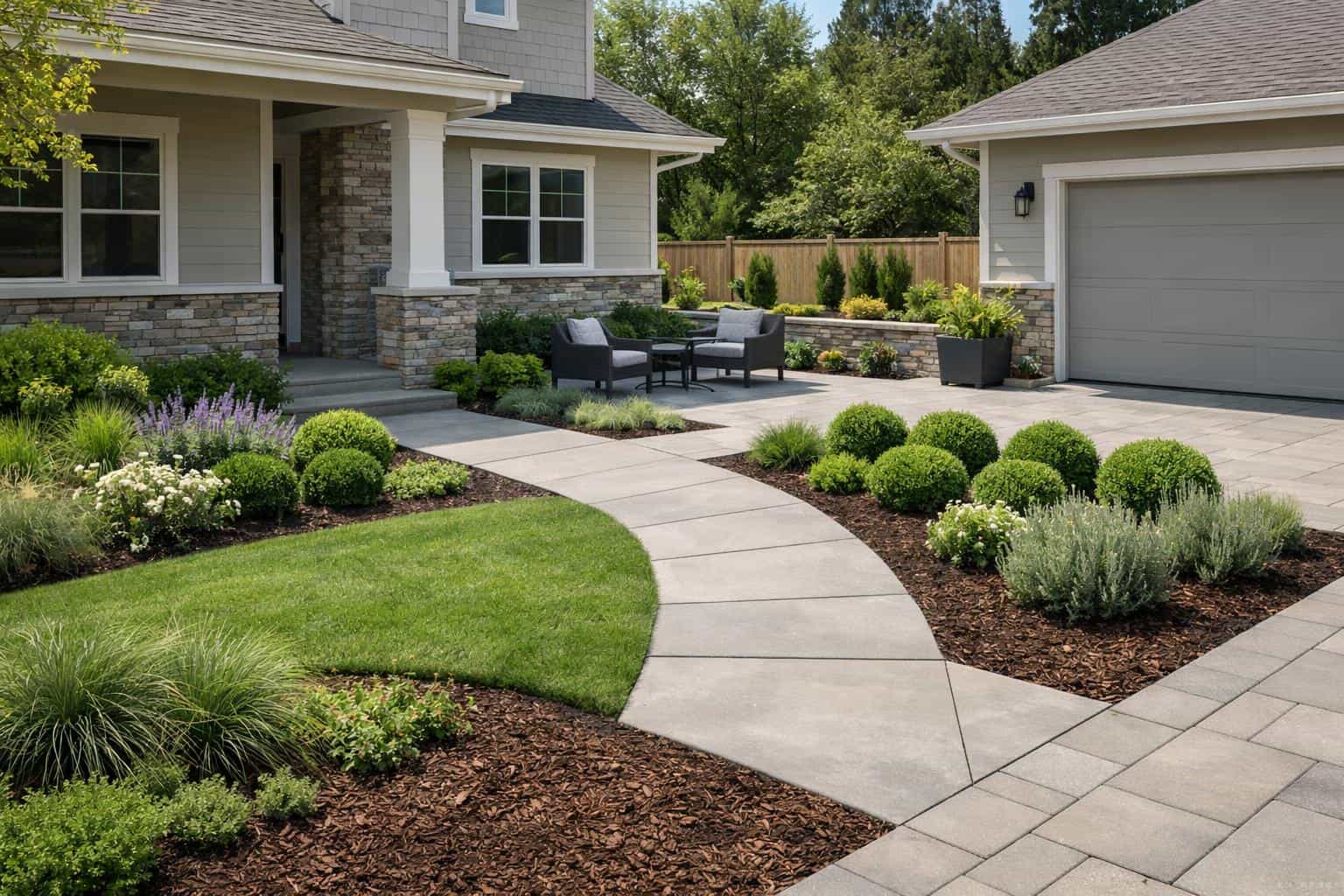
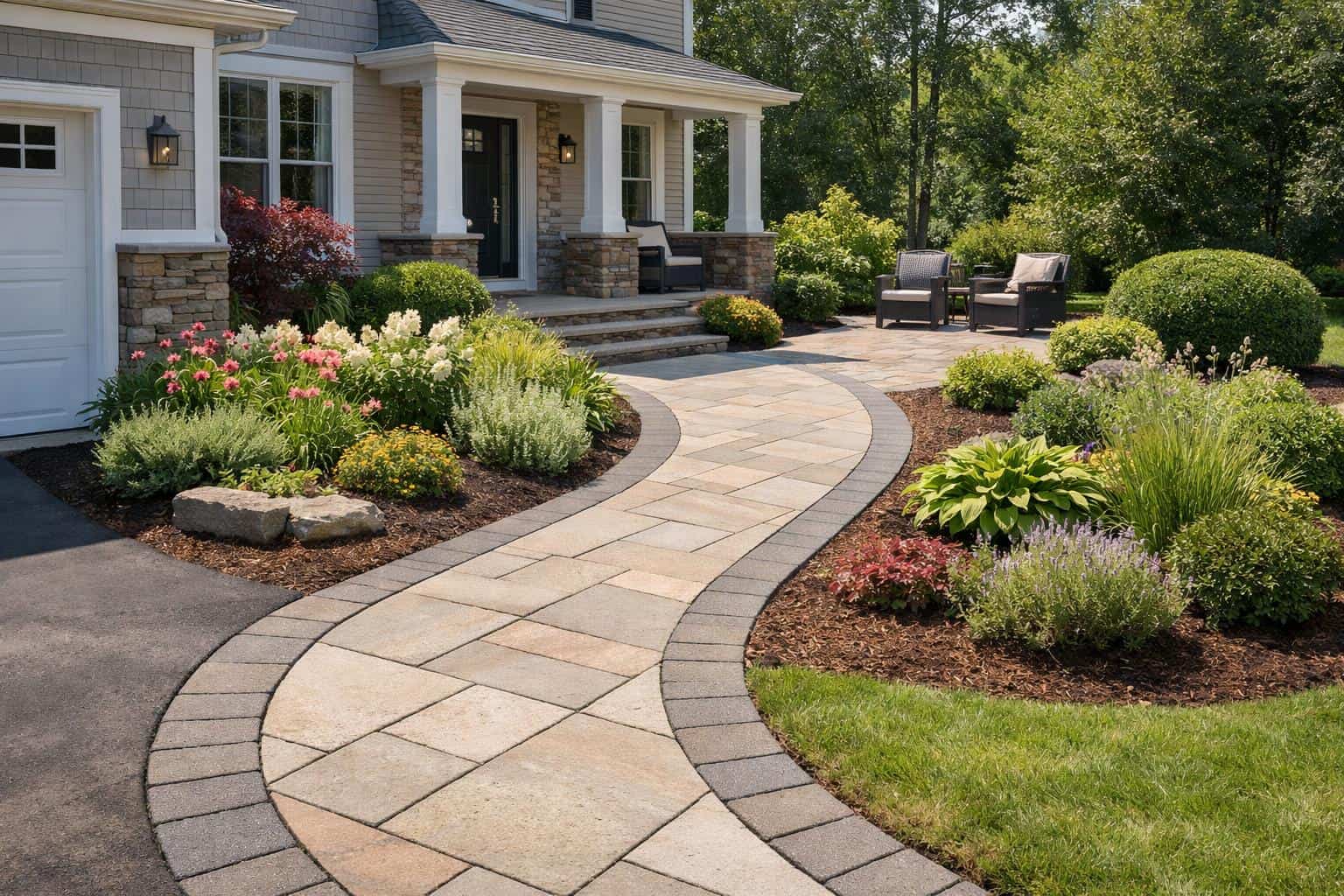
    Walkway and Pathway Installation Guide for Homeowners related example showing Front entry walkway with edging, planting beds, and material detail relevant to pathway cost planning
    This walkway example gives homeowners a visual reference for comparing layout, materials, and maintenance tradeoffs before starting the project.
    • Common materials: poured concrete, pavers, natural stone, gravel, and stepping-stone style paths.
    • Common goals: improve access, create clearer circulation, connect activity zones, and reduce worn paths through lawn or beds.
    • Main performance factors: base prep, slope, width, edge restraint, and how the path fits the way the property is actually used.

    Circulation comes before material

    Homeowners often start with the finish they like, but layout is usually the more important question. A good walkway should follow natural movement patterns and make the yard easier to navigate. It should feel obvious, not forced. That is especially true around entries, side yards, backyard gathering areas, and transitions between the driveway, patio, and lawn.

    This is one reason walkway planning belongs inside the broader framework described in our landscaping services guide.

    Material choice changes look and maintenance

    Concrete can be practical and clean-lined. Pavers offer pattern variety and easier localized repair. Natural stone can create a more organic look but may increase cost and installation complexity. Gravel paths can work well in some gardens, though they behave differently under traffic and maintenance.

    The right material depends on style, budget, climate, maintenance tolerance, and how formal or informal the space should feel.

    Drainage and grade matter on pathways too

    A walkway should not collect water, create slippery low spots, or send runoff toward the house. Paths are often small enough that homeowners underestimate drainage, but poor water handling can still shorten surface life and create safety issues. If the area already has runoff problems, read our drainage guide alongside this one.

    Questions to ask before hiring

    • How wide should this walkway be for the way we use the space?
    • How will slope and drainage be handled?
    • What base preparation is included?
    • How will the walkway connect to patios, steps, or the driveway?
    • What maintenance should I expect from this material choice?

    What homeowners should remember

    A walkway is one of the most useful connective features in a landscape. The best ones improve movement, support drainage, and make the whole property feel more intentional. The more clearly a contractor explains layout and grade, the more likely the path will feel natural and last well.

    Cost guide: Homeowners pricing routes and surface options can compare scope in the Walkway and Pathway Cost Guide.

    Quote guide: The walkway and pathway quote guide helps homeowners compare layout, base depth, edge detail, and drainage handling across bids.

    Timeline guide: The walkway and pathway timeline guide helps homeowners compare preparation, paving, and finish-detail phases more clearly.

    Expectations guide: The walkway expectations guide helps homeowners understand excavation, paving, access changes, and finish-detail flow.

    Maintenance guide: The walkway maintenance guide helps homeowners stay ahead of settling, joint wear, and edge issues.

    Mistakes guide: The walkway planning mistakes guide helps homeowners catch width, drainage, and transition issues early.

    Warning signs guide: The walkway warning signs guide helps homeowners judge settling, loose edges, and surface wear before the path gets worse.

    More Service Planning Guides

    More Walkway Style and Material Guides

    More Walkway Shape and Route Guides

    More Informal Path Guides

    More Side-Path Planning Guides

    More Front Walk Transition Guides

    More Side-Yard Route Guides

    More Entry Proportion Guides

    More Walkway Lighting Proportion Guides

    More Walkway Turning-Movement Guides

    More Driveway-to-Entry Route Guides

    More Walkway Curve Guides

    More Walkway Landing Guides

    More Walkway Alignment Guides

    More Walkway and Driveway Material Guides

    Related homeowner planning guides

    Use these next-step guides to make the project more specific before comparing estimates or choosing materials.

    Related homeowner planning guides

    Use these next-step guides to narrow the project before choosing materials, comparing estimates, or changing the layout.

    More specific homeowner planning guides

    Use these deeper guides when the broad project direction is clear and the next decision is about layout, materials, maintenance, or cost tradeoffs.

    Walkway and Pathway Installation Guide for Homeowners related example showing Residential walkway and pathway installation scene with pavers, edging, and landscape bed context
    This related walkway detail helps show how site conditions and finish choices can change the homeowner's plan.

    More specific homeowner planning guides

    Use these deeper guides when the broad project direction is clear and the next decision is about layout, materials, access, maintenance, or cost tradeoffs.


  • Low-Maintenance Landscaping Guide for Homeowners

    Low-Maintenance Landscaping Guide for Homeowners

    Low-maintenance landscaping is one of the most common goals homeowners bring to a project, but it does not mean zero work and it does not mean the same thing on every property. For some households, it means reducing lawn area. For others, it means simplifying planting choices, improving irrigation efficiency, and using materials that age gracefully with less intervention.

    This guide explains what low-maintenance landscaping really involves and how to plan it realistically.

    What low-maintenance usually means

    • simpler planting palettes with fewer fussy species
    • better spacing and structure in garden beds
    • less lawn to mow and irrigate
    • hardscape that organizes use areas clearly
    • watering and maintenance plans that fit real homeowner habits

    How to build a lower-maintenance yard

    Many low-maintenance landscapes rely on smart combinations of planting, hardscape, irrigation, and mulch or stone coverage. The goal is not to strip the yard of character. It is to create an outdoor space that still looks intentional without demanding constant catch-up work.

    Related reading includes our guides on planting installation, irrigation, and maintenance plans.

    What homeowners should remember

    A low-maintenance yard is usually the result of good planning, not just fewer plants. The best solutions match the climate, the way the property is used, and the amount of care the homeowner can realistically provide over time.

    Related comparison: Ground-cover choices shape maintenance as much as plant selection. The Mulch vs Rock Landscaping Guide for Homeowners helps compare two common bed-finishing options.

    Related guide: Homeowners aiming for simpler upkeep and reduced water use may also want the Low-Water Landscaping Guide for Homeowners.

    Materials criteria: The low-maintenance material guide breaks down what “easy upkeep” usually means in practical terms.

    More Low-Maintenance Landscaping Guides

    More Decision and Planning Guides

    More Low-Maintenance Ideas and Example Guides

    More Low-Maintenance Side Space Guides

    More Low-Maintenance Backyard Edge Guides

    More Low-Maintenance Perimeter Guides

    More Low-Maintenance Corner Guides

    More Low-Maintenance Bed Guides

    More Low-Maintenance Foundation Guides

    More Low-Maintenance Entry Refresh Guides

    More Low-Maintenance Front Corner Guides

    More Low-Maintenance Mailbox Guides

    More Front Bed Maintenance Guides

    More Low-Maintenance Entry Shrub Guides

    More Low-Maintenance Front Bed Care Guides

    More Low-Maintenance Front Material Guides

    Related homeowner planning guides

    Use these next-step guides to make the project more specific before comparing estimates or choosing materials.

    Related homeowner planning guides

    Use these next-step guides to narrow the project before choosing materials, comparing estimates, or changing the layout.

    More specific homeowner planning guides

    Use these deeper guides when the broad project direction is clear and the next decision is about layout, materials, maintenance, or cost tradeoffs.

    Low-Maintenance Landscaping Guide for Homeowners related example showing Groundcover and hardscape materials relevant to comparing real long-term maintenance demands
    This low maintenance example gives homeowners a visual reference for comparing layout, materials, and maintenance tradeoffs before starting the project.

    More specific homeowner planning guides

    Use these deeper guides when the broad project direction is clear and the next decision is about layout, materials, access, maintenance, or cost tradeoffs.

    Low-Maintenance Landscaping Guide for Homeowners related example showing Low-water landscape bed materials including rock and mulch relevant to drought-conscious groundcover selection
    This related low maintenance detail helps show how site conditions and finish choices can change the homeowner's plan.

  • Drainage vs Regrading Guide for Homeowners

    Drainage vs Regrading Guide for Homeowners

    When homeowners see standing water or runoff problems, they often hear two possible solutions right away: add drainage or regrade the yard. The truth is that these are not always competing options. Sometimes drainage components solve the problem. Sometimes the real issue is surface shape and elevation. Often the best fix combines both.

    This guide explains how to think about the difference.

    What drainage solves

    Drainage systems help collect, redirect, or move water once it is already flowing or collecting in the wrong area. Channel drains, catch basins, French drains, and downspout routing all fit into this category. Our drainage solutions guide covers those options in more detail.

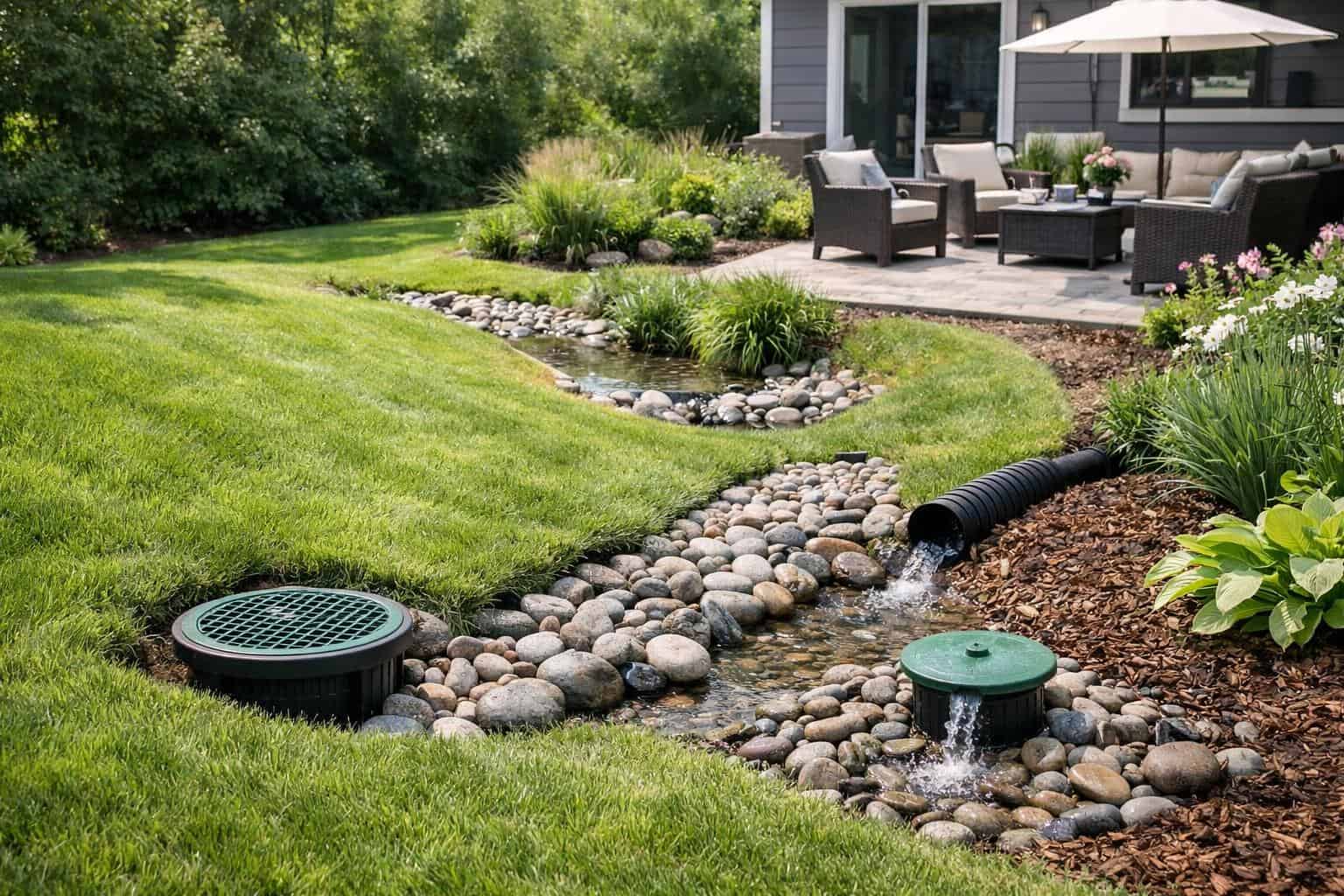
    Drainage vs Regrading Guide for Homeowners related example showing Drainage detail relevant to pooling, runoff shifts, and warning signs
    This drainage example gives homeowners a visual reference for comparing layout, materials, and maintenance tradeoffs before starting the project.

    What regrading solves

    Regrading changes the surface so water naturally flows in a better direction. If the shape of the yard sends water toward the house or traps it in low spots, no drain alone may fully solve the issue. Regrading addresses the source geometry of the problem.

    When both are needed

    Many sites need a combination. A patio edge may need a channel drain, but the surrounding lawn may still need regrading so runoff reaches that drain correctly. A retaining wall project may need both surface re-shaping and drainage management behind the wall.

    Drainage vs Regrading Guide for Homeowners related example showing Drainage detail relevant to planning mistakes, runoff diagnosis, and grading decisions
    This related drainage detail helps show how site conditions and finish choices can change the homeowner's plan.

    What homeowners should remember

    The right solution depends on why the water is collecting in the first place. Homeowners get better outcomes when contractors explain the water path clearly instead of jumping straight to one product or one fix.

    More Decision and Planning Guides

    Estimate drainage work before choosing regrading

    Use these calculators to compare a targeted drainage treatment with a broader site-work or landscape-improvement range before deciding whether regrading belongs in the scope.

    Drainage Cost Calculator

    Estimate drainage project pricing for swales, French drains, and catch basin style systems.

    Landscaping Cost Range Calculator

    Estimate a broad landscaping budget range for common homeowner project types before comparing quotes.


  • Patio vs Deck Guide for Homeowners

    Patio vs Deck Guide for Homeowners

    Patios and decks both create outdoor living space, but they work differently in terms of structure, cost, maintenance, and how they fit the property. Homeowners often compare them as if they are interchangeable, yet the right answer depends heavily on grade, access, aesthetics, and how the space will be used.

    This guide helps homeowners think through that decision in practical terms.

    How patios and decks differ

    • Patios: built at grade and often integrated directly into the landscape with concrete, pavers, or stone.
    • Decks: elevated framed structures that can make more sense where the home or yard has height changes.
    • Key tradeoff: patios often feel more grounded and landscape-integrated, while decks can solve elevation issues more directly.

    When a patio makes more sense

    Patios are often the stronger choice when the yard has a usable grade, the homeowner wants a durable hardscape surface, and the outdoor space should connect naturally into planting beds, pathways, lighting, or retaining features. Our patio guide explains this in more detail.

    When a deck makes more sense

    Decks are often more practical when the back door sits significantly above grade or when the site makes at-grade access difficult without major excavation or wall work. They can create usable outdoor space where a patio would require much more structural site change.

    Cost and maintenance

    The cost comparison depends on material choices, size, access, and site conditions. Maintenance also differs. Hardscape patios often need cleaning, joint care, and occasional repair attention. Decks typically involve cleaning, coatings or finishing depending on material, and regular structural inspection over time.

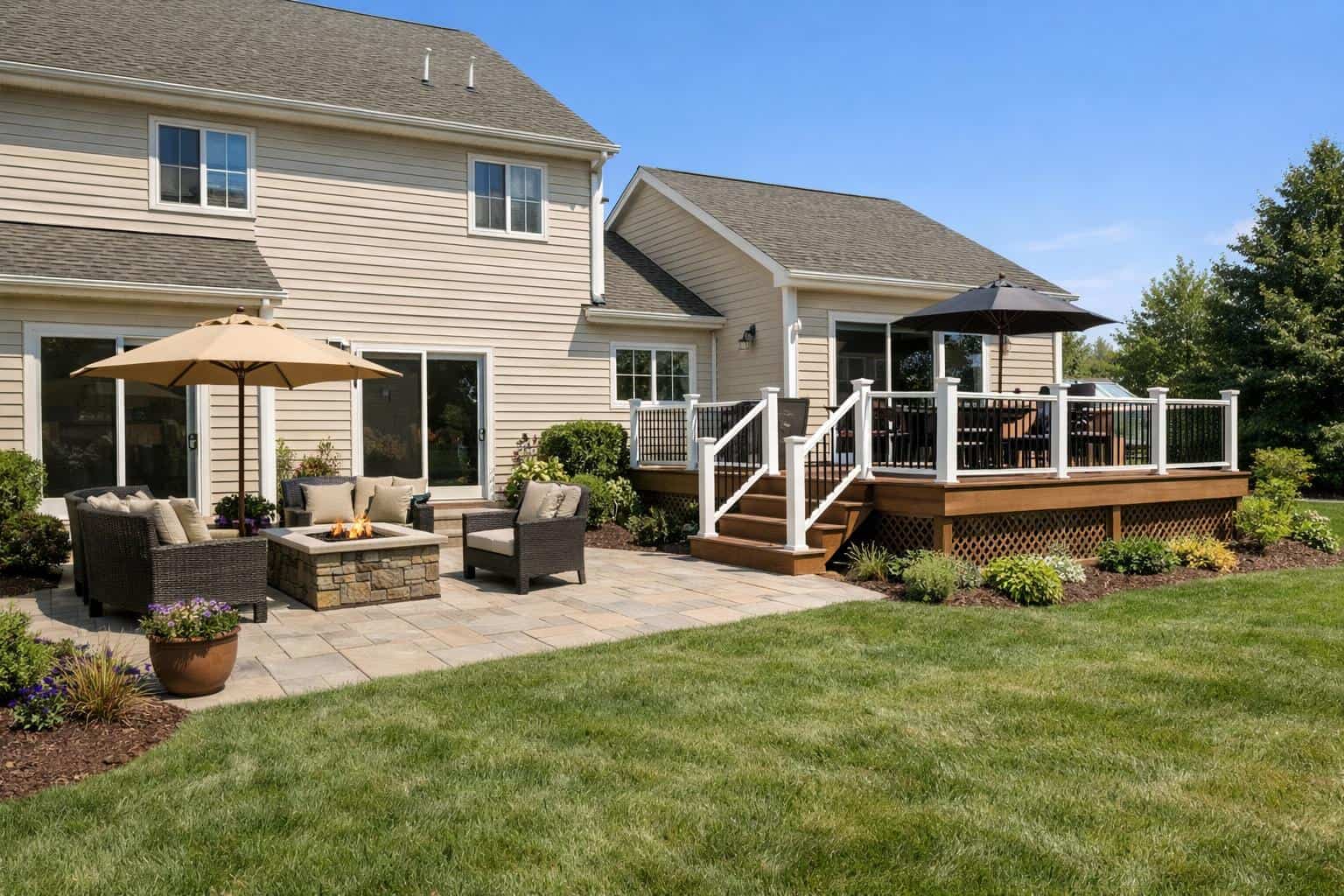
    Patio vs Deck Guide for Homeowners related example showing Concrete, paver, and stone outdoor surfaces showing common patio and walkway material choices for homeowners
    This patio example gives homeowners a visual reference for comparing layout, materials, and maintenance tradeoffs before starting the project.

    What homeowners should remember

    The best choice is not just about appearance. It is about how the space meets the house, how the yard is shaped, and how much maintenance you want later. If the project also involves drainage, grading, or walls, those should be part of the decision from the start.

    Patio vs Deck Guide for Homeowners related example showing Backyard patio comparison showing paver surface and stamped concrete surface
    This related patio detail helps show how site conditions and finish choices can change the homeowner's plan.

    More Comparison and Decision Guides


  • Concrete vs Paver Driveway Guide for Homeowners

    Concrete vs Paver Driveway Guide for Homeowners

    Homeowners comparing concrete and paver driveways are usually trying to balance cost, appearance, maintenance, and long-term performance. Both options can work well, but they solve those priorities differently. The best choice depends on budget, climate, design goals, and how much upkeep you are willing to take on over time.

    This guide breaks the decision into practical homeowner terms so you can compare more than just the surface look.

    How concrete and pavers differ at a glance

    • Concrete driveways: often offer a cleaner monolithic look and a lower upfront cost in many markets.
    • Paver driveways: offer modular flexibility, pattern variety, and easier spot repair when installed well.
    • Key tradeoff: concrete can be simpler and more budget-friendly, while pavers often provide more design range and repair flexibility at a higher installation cost.

    Cost and installation differences

    Concrete often wins on initial price, especially for straightforward pours with good access. Pavers usually cost more because the installation is more labor-intensive and material pricing can rise quickly depending on style and pattern complexity.

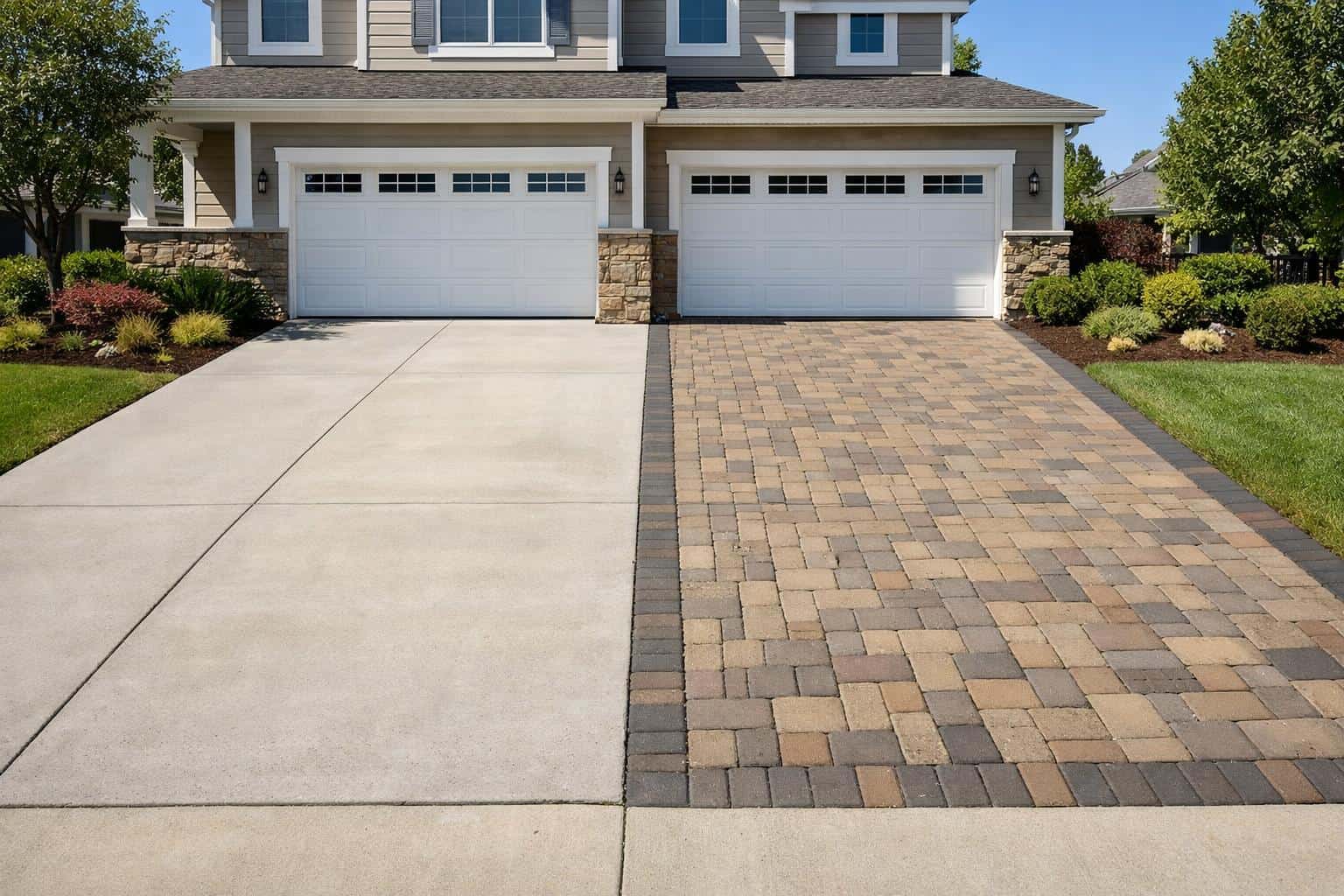
    Concrete vs Paver Driveway Guide for Homeowners related example showing Concrete, paver, and stone outdoor surfaces showing common patio and walkway material choices for homeowners
    This patio example gives homeowners a visual reference for comparing layout, materials, and maintenance tradeoffs before starting the project.

    However, base preparation matters for both. If you are comparing bids, read our landscaping cost guide and concrete driveway installation guide so you can compare scope accurately.

    Appearance and design flexibility

    Pavers offer more visual variety through color, pattern, border detail, and texture. Concrete can still look excellent, especially with broom, exposed aggregate, or decorative finish choices, but it usually presents a more unified surface.

    Maintenance and repair

    Pavers are often easier to repair in localized areas because individual units can be lifted and reset. Concrete repairs can be more visible, especially if color or aging makes patches stand out. On the other hand, pavers may need periodic joint-sand attention or weed management depending on the system and upkeep.

    For concrete-specific care, see our maintenance and sealing guide.

    Questions homeowners should ask

    • What look fits the house and surrounding hardscape better?
    • How does the local climate affect each option?
    • What maintenance am I realistically willing to handle?
    • What prep work is included for each estimate?

    What homeowners should remember

    Concrete and pavers can both perform well when the installation is planned correctly. The best choice is usually the one that aligns with your budget, repair expectations, and overall landscape style rather than whichever material sounds more premium on paper.

    Concrete vs Paver Driveway Guide for Homeowners related example showing Backyard patio comparison showing paver surface and stamped concrete surface
    This related patio detail helps show how site conditions and finish choices can change the homeowner's plan.

    Materials guide: The Patio and Walkway Materials Guide is useful if you want to compare pavers, concrete, and stone across more than one project type.

    More Comparison and Decision Guides


  • Landscape Maintenance Plans Guide for Homeowners

    Landscape Maintenance Plans Guide for Homeowners

    Landscape maintenance plans can keep a property looking intentional long after the installation crew leaves. For many homeowners, maintenance is the difference between a landscape that matures well and one that slowly becomes overgrown, uneven, or harder to manage every season. The right plan should match the type of landscape you have and how involved you want to be day to day.

    This guide explains what residential maintenance plans often include, how to think about value, and what homeowners should ask when comparing recurring service options.

    What maintenance plans usually include

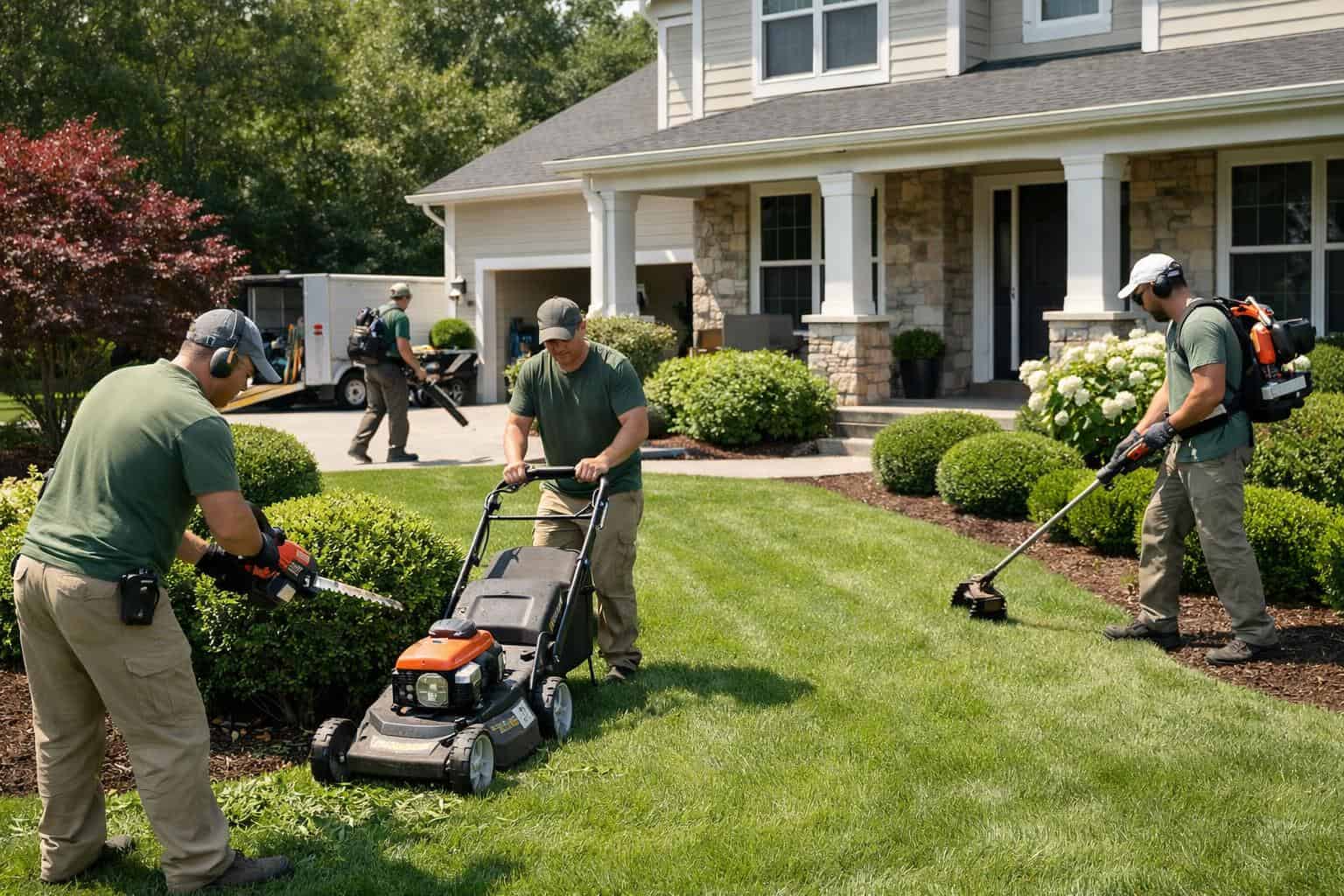
    Landscape maintenance can range from simple lawn care to broader recurring service that includes pruning, seasonal cleanup, mulch refreshes, irrigation checks, weed control, and care for planting beds. Some plans are designed for basic appearance. Others are meant to protect a larger investment in patios, lighting, walls, lawn, and planting work.

    Landscape Maintenance Plans Guide for Homeowners related example showing Groundcover and hardscape materials relevant to comparing real long-term maintenance demands
    This low maintenance example gives homeowners a visual reference for comparing layout, materials, and maintenance tradeoffs before starting the project.
    • Common services: mowing, edging, pruning, bed cleanup, mulch refreshes, irrigation observation, seasonal trimming, and debris removal.
    • Common plan goals: keep the property consistent, reduce catch-up work, protect installations, and make seasonal transitions easier.
    • Main planning factors: property size, plant maturity, lawn area, irrigation needs, and how hands-on the homeowner wants to be.

    Why maintenance should be part of the project plan

    Homeowners often think about maintenance only after installation, but the long-term care plan should influence decisions earlier. A planting scheme that looks great on day one may not suit a homeowner who wants lower upkeep. A new concrete or patio installation still benefits from cleaning, joint observation, and surrounding bed care over time.

    This is why maintenance belongs in the same conversation as the larger plan described in our services guide.

    What affects maintenance-plan cost

    Recurring service pricing depends on visit frequency, property size, lawn area, pruning needs, bed complexity, seasonal cleanup volume, irrigation oversight, and whether the plan includes consumables like mulch or fertilizer. A simple mow-and-edge plan is very different from a full-service maintenance program for a recently renovated landscape.

    Homeowners comparing ongoing ownership costs should also review our landscaping cost guide.

    Maintenance and new installations

    Fresh sod, new planting beds, recently sealed concrete, and lighting systems all have early-stage care needs that differ from mature landscape maintenance. The more a contractor explains that transition, the easier it is for homeowners to avoid early problems caused by under-watering, over-pruning, or neglected cleanup.

    Related reading includes our guides on planting installation, sod and lawn installation, and concrete driveway maintenance.

    Questions to ask before choosing a maintenance plan

    • What is included at each visit, and what is billed separately?
    • How often will the property be serviced during peak growing season?
    • How is pruning handled for shrubs, perennials, and ornamental grasses?
    • Will the crew monitor irrigation issues or only report visible problems?
    • How does the plan change seasonally?

    Our hiring guide is also useful when comparing recurring service providers.

    What homeowners should remember

    A maintenance plan should support the landscape you actually own, not a generic checklist. The best plans feel preventative rather than reactive. When a contractor explains visit scope, seasonal changes, and how the maintenance supports the investment over time, it becomes much easier to judge the real value of recurring service.

    Landscape Maintenance Plans Guide for Homeowners related example showing Low-water landscape bed materials including rock and mulch relevant to drought-conscious groundcover selection
    This related low maintenance detail helps show how site conditions and finish choices can change the homeowner's plan.

    If your bigger goal is reducing upkeep across the whole property, pair this page with our low-maintenance landscaping guide for homeowners.

    Related guide: If you are optimizing the yard for pets, kids, or lower water use, the Small Backyard Landscaping Ideas Guide can help keep the layout efficient and manageable.

    Seasonal guide: Homeowners looking for a year-round upkeep rhythm can use the Spring Landscaping Checklist and Summer Landscaping Maintenance Guide to structure recurring work.

    Quote guide: The planting and garden bed quote guide makes it easier to compare plant size, bed prep, mulch, and irrigation assumptions.

    More Service Planning Guides

    Estimate seasonal refresh and material costs

    Maintenance planning often includes cleanup, mulch, planting-bed refreshes, and small improvements. Use these calculators to frame a rough range before comparing service plans.

    Landscaping Cost Range Calculator

    Estimate a broad landscaping budget range for common homeowner project types before comparing quotes.

    Mulch Cost Calculator

    Estimate mulch quantity plus material and installation cost ranges for planting beds.


  • Sod and Lawn Installation Guide for Homeowners

    Sod and Lawn Installation Guide for Homeowners

    A new lawn can make a property look instantly more complete, but lawn installation is not just about putting down sod or seed and hoping it takes. Good results depend on grading, soil prep, irrigation coverage, traffic expectations, and what kind of lawn surface actually makes sense for the property.

    This guide explains what sod and lawn installation usually includes, when homeowners should think beyond the grass itself, and what to ask before hiring.

    What lawn installation usually includes

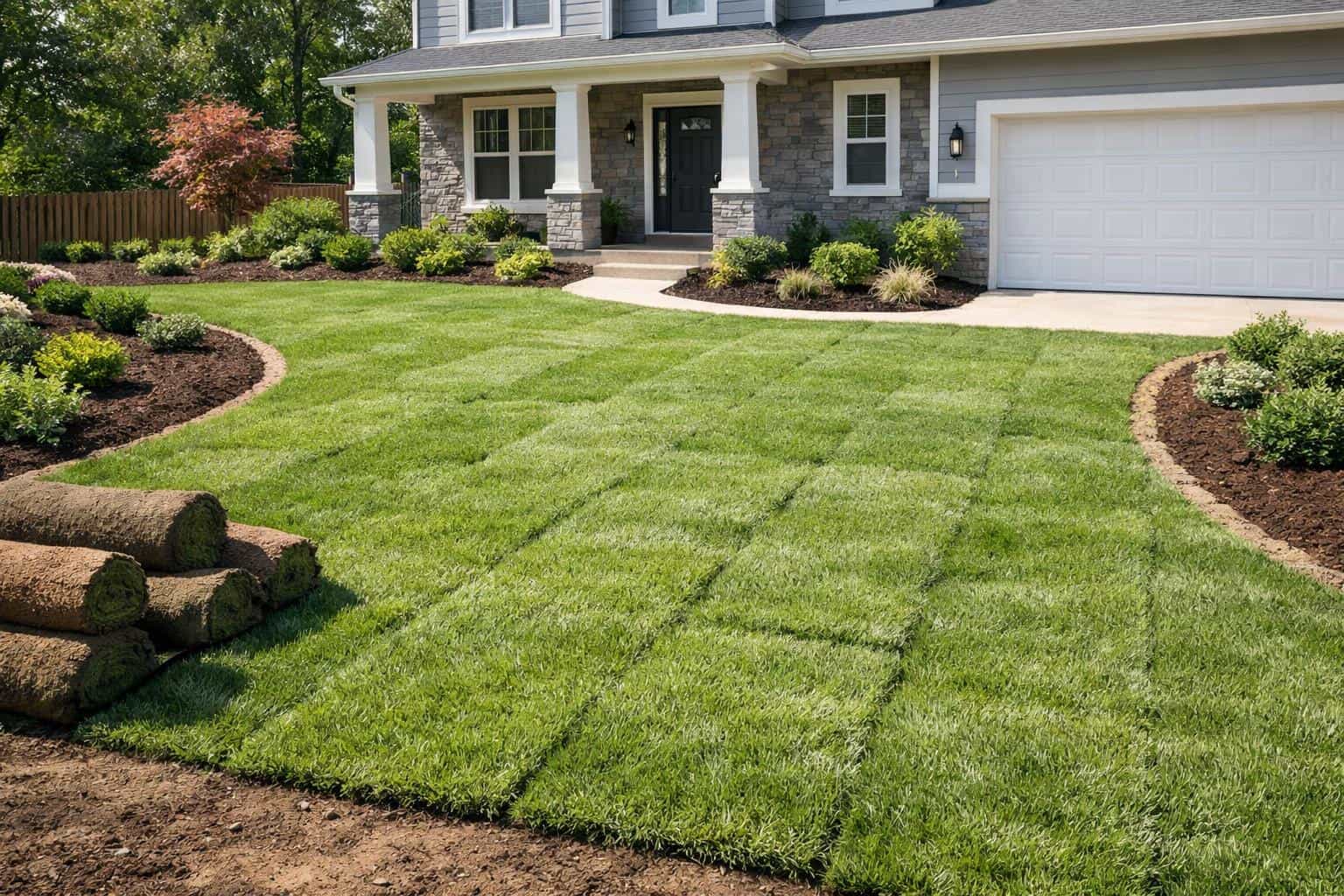
    Residential lawn work may include removal of old turf or weeds, grading, soil preparation, amendments, irrigation adjustments, sod installation or seeding, rolling, watering instructions, and follow-up care expectations. On some properties, lawn installation is the final cosmetic layer over more important prep work like drainage correction or regrading.

    • Common lawn goals: cleaner curb appeal, a more usable backyard, improved transitions around patios, and replacement of patchy or failing turf.
    • Common project types: new sod installation, lawn renovation, spot area rebuilds, or full reshaping after other landscape work.
    • Main performance factors: grade, soil quality, water coverage, foot traffic, and realistic maintenance expectations.

    Soil and grading usually matter more than the sod itself

    Homeowners often compare grass varieties before solving the more important issues underneath. If the grade is uneven, the soil is compacted, or water collects in low spots, even good sod can struggle. That is why lawn installation often belongs later in the sequence, after drainage and grading concerns are addressed.

    Our drainage guide and project expectations guide can help explain why the prep stage matters so much.

    Sod versus seed

    Sod gives immediate visual coverage and can make a yard look finished quickly. Seed may cost less upfront in some situations, but it usually takes longer to establish and requires more patience during early growth. The right choice depends on timing, budget, site conditions, and how quickly the space needs to become usable.

    Irrigation is part of the lawn decision

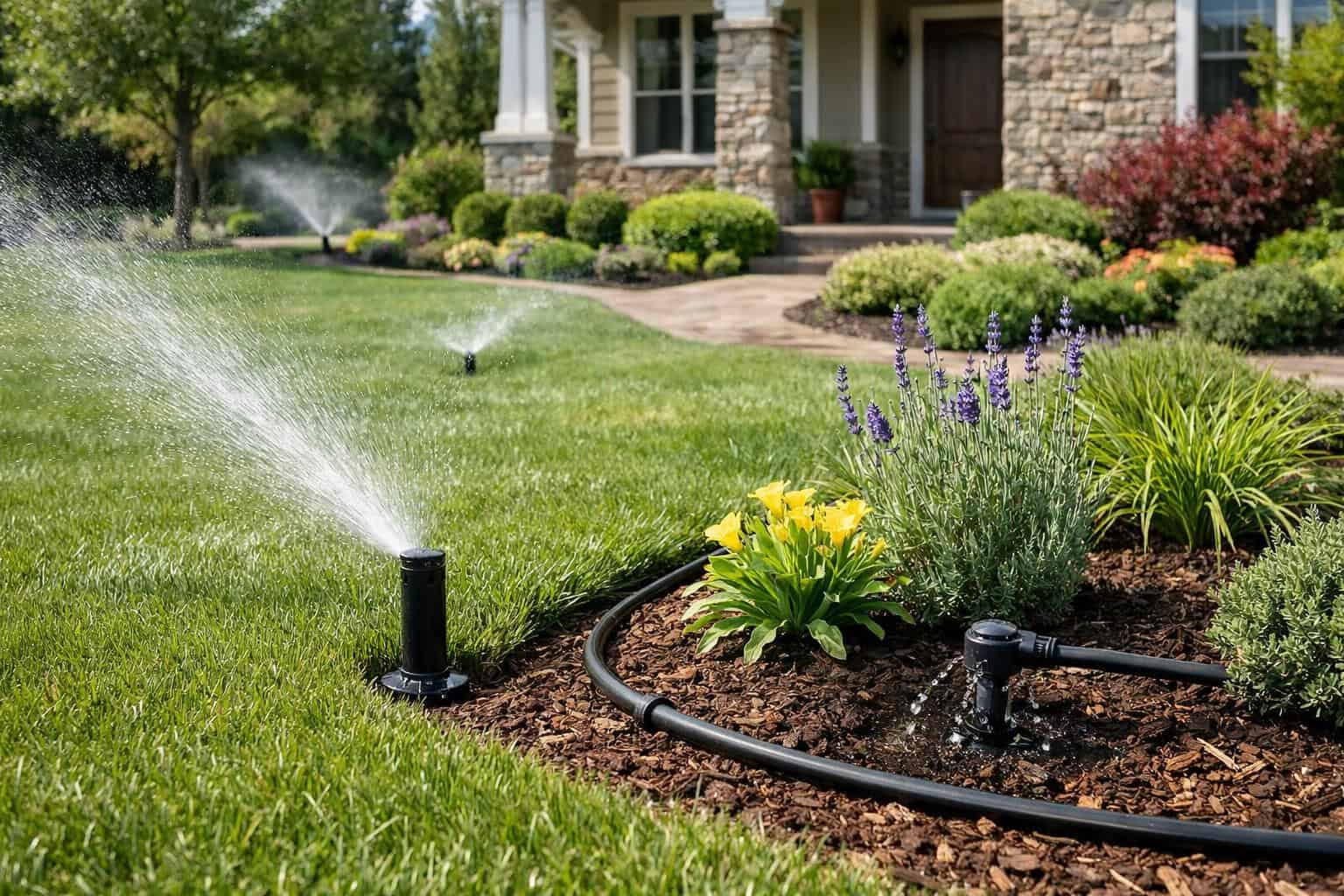
    Residential lawn and planting areas organized around an irrigation plan for long-term watering support.
    Lawn installation decisions are stronger when irrigation is planned alongside turf type, grading, and how the yard will be used.

    New lawns need consistent watering during establishment, and long-term health depends on whether irrigation coverage actually matches the layout. Overspray on hardscape, dry stripes, and persistently wet zones can all create problems after installation. If irrigation performance is uncertain, read our irrigation system guide alongside this page.

    What affects lawn installation cost

    Pricing is influenced by square footage, access, removal needs, grading, soil amendments, irrigation changes, sod quality, and whether the project is part of a larger renovation. A simple open lawn area is very different from a property that needs regrading, drainage adjustments, tree-root work, or hand-carried material access.

    If you are comparing broader project budgets, our landscaping costs guide is a useful companion.

    Questions to ask before hiring for sod or lawn work

    • What grading or soil prep is included before the lawn goes in?
    • How will irrigation be adjusted for this layout?
    • Is sod or seed the better fit for this property and timing?
    • How long before the lawn can handle normal use?
    • What first-month care is essential for success?

    What homeowners should remember

    A healthy lawn is usually the result of good prep, consistent water, and realistic use expectations. The more clearly a contractor explains grade, soil, irrigation, and establishment care, the more likely the lawn is to look good beyond the first week after installation.

    Sod and Lawn Installation Guide for Homeowners related example showing Sod installation detail relevant to soil preparation, grading, irrigation, and quote comparison for homeowners
    This lawn example gives homeowners a visual reference for comparing layout, materials, and maintenance tradeoffs before starting the project.

    If you are still deciding what kind of finished lawn surface fits the property best, compare the tradeoffs in our artificial turf vs natural grass guide.

    Related comparison: If you are still deciding how to establish a natural lawn, the Sod vs Seed Guide for Homeowners compares speed, cost, and watering demands.

    Cost guide: If you are comparing lawn proposals, the What Affects Sod and Lawn Installation Cost Guide explains why prep and irrigation matter so much.

    Related guide: Homeowners unsure whether the lawn still makes sense to repair can compare symptoms in the Signs Your Lawn Needs Replacement Guide.

    Alternative surface: The Artificial Turf Installation Guide is a useful comparison if you are weighing turf against new sod installation.

    Quote guide: The landscape lighting quote guide helps homeowners compare fixture count, transformer assumptions, and adjustment scope across bids.

    Quote guide: The sod and lawn quote guide helps homeowners compare removal, grading, irrigation, and establishment scope.

    Timeline guide: The sod installation timeline guide helps homeowners compare preparation, installation day, and early establishment expectations.

    Expectations guide: The sod expectations guide helps homeowners understand prep, installation day, and early-care flow.

    Maintenance guide: The sod and lawn maintenance guide helps homeowners protect early establishment and long-term lawn performance.

    Mistakes guide: The sod planning mistakes guide helps homeowners catch prep, irrigation, and timing problems before installation.

    Warning signs guide: The sod and lawn warning signs guide helps homeowners judge thinning, stress, and irrigation trouble before the lawn declines further.


  • Garden Bed and Planting Installation Guide for Homeowners

    Garden Bed and Planting Installation Guide for Homeowners

    Planting and garden bed installation can transform a property faster than almost any other landscape service. It can soften hardscape edges, improve curb appeal, add privacy, organize the yard, and make the whole property feel more intentional. But not every planting project is planned around the same goal, and the long-term result depends on more than simply picking attractive plants.

    This guide helps homeowners understand what planting installation usually includes, what affects cost, and how to choose a plant layout that matches both the property and the level of maintenance they are willing to take on.

    What planting installation usually includes

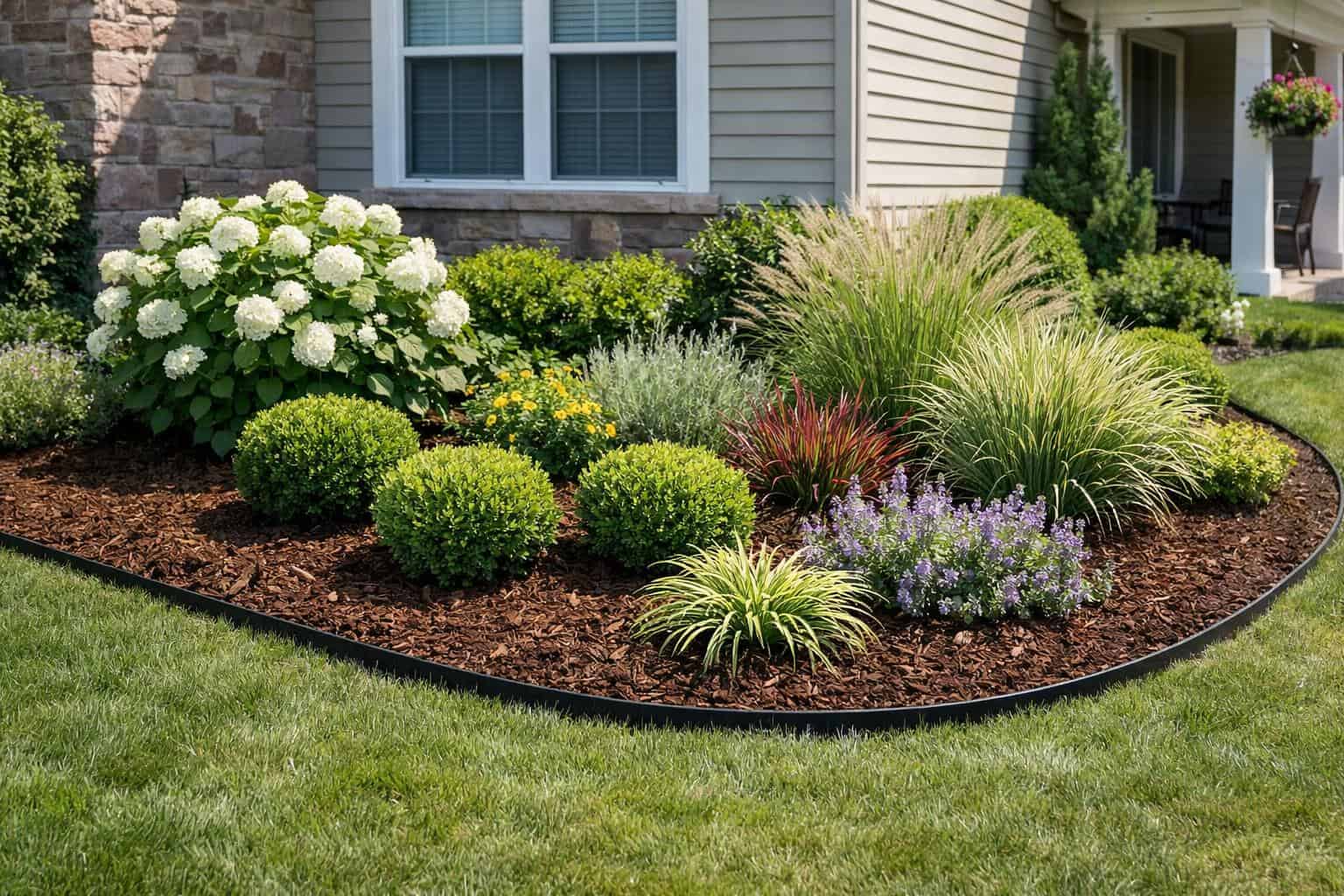
    Garden bed and planting work may include bed layout, soil prep, plant selection, tree and shrub placement, edging, mulch or decorative stone, irrigation adjustments, and cleanup. Some projects are simple refreshes. Others are part of a larger landscape redesign tied to new patios, walls, or grading changes.

    Garden Bed and Planting Installation Guide for Homeowners related example showing Attractive residential front yard with walkway, planting beds, lawn, and curb appeal landscaping
    This front yard example gives homeowners a visual reference for comparing layout, materials, and maintenance tradeoffs before starting the project.
    • Common project goals: curb appeal, privacy, shade, screening, seasonal color, or a cleaner low-maintenance look.
    • Common materials: shrubs, trees, perennials, ornamental grasses, mulch, decorative rock, and edging details.
    • Main performance factors: plant spacing, irrigation compatibility, sun exposure, soil conditions, and long-term maintenance planning.

    Planting should match the way the property is used

    Some homeowners want bold visual impact near the front entry. Others want backyard privacy, low-maintenance structure, or softer transitions around patios and walkways. Those are all valid goals, but they lead to different plant choices and bed layouts.

    This is why planting should be tied to the broader landscape plan described in our services guide. Beds that ignore circulation, drainage, and irrigation often look good briefly but become harder to maintain over time.

    What affects planting and garden bed cost

    Project cost is shaped by plant size, quantity, soil amendment needs, bed preparation, edging details, mulch or stone coverage, irrigation updates, and how much removal or cleanup is required before the new work begins. Larger specimen material can change the budget quickly, especially when access is limited.

    Homeowners should also think about long-term maintenance. A lower-maintenance bed may cost more upfront if it uses better spacing, stronger structure plants, weed suppression layers, or irrigation improvements, but it can save time and labor later.

    How irrigation and drainage connect to planting

    Planting performance is closely tied to water management. Beds that stay too wet, dry out too quickly, or receive uneven irrigation often struggle no matter how attractive the plant palette looked on paper. If water movement is a concern, pair this topic with our drainage guide and irrigation guide.

    Questions to ask before hiring for planting work

    • What is the main goal of this planting plan: privacy, curb appeal, screening, color, or lower maintenance?
    • How will the plant choices respond to sun, irrigation, and soil conditions on this property?
    • What prep work is included before new plants go in?
    • What mulch, edging, and watering assumptions are part of the bid?
    • How much maintenance should I expect in the first year?

    Our hiring guide can help you compare planting proposals more effectively.

    What homeowners should remember

    A strong planting project is about function as much as appearance. The best results come when the plants match the site, the water plan, and the way the homeowner wants to live with the yard after installation. When a contractor explains spacing, maintenance, and irrigation clearly, the finished landscape usually holds up much better over time.

    Garden Bed and Planting Installation Guide for Homeowners related example showing Front entry landscape materials relevant to choosing surfaces and finishes for a smaller yard
    This related front yard detail helps show how site conditions and finish choices can change the homeowner's plan.

    Related guide: If the goal is to create separation from neighboring properties or soften a fence line, the Privacy Landscaping Guide for Homeowners can help with layered screening ideas.

    Nursery guide: If planting purchases are part of the project, the plant material comparison guide can help homeowners buy with more confidence.

    Plant-selection guide: The low-maintenance plant guide helps connect nursery choices to real long-term upkeep.

    Cost guide: The planting and garden bed cost guide helps homeowners compare bed scope, plant size, and finish-detail pricing more clearly.

    Quote guide: The planting and garden bed quote guide makes it easier to compare plant size, bed prep, mulch, and irrigation assumptions.

    Timeline guide: The planting and garden bed timeline guide helps homeowners compare layout, sourcing, installation, and finish timing more clearly.

    Expectations guide: The planting expectations guide helps homeowners understand bed prep, plant staging, and finish-work flow.

    Maintenance guide: The planting maintenance guide helps homeowners manage watering, pruning, and long-term bed health.

    Mistakes guide: The planting planning mistakes guide helps homeowners catch layout, plant-size, and upkeep mismatches early.

    Warning signs guide: The planting-bed warning signs guide helps homeowners judge stress, thin coverage, and irrigation trouble before the bed declines further.

    More Service Planning Guides

    More Foundation and Front-Bed Guides

    More Front-Bed Composition Guides


  • Landscape Lighting Guide for Homeowners

    Landscape Lighting Guide for Homeowners

    Landscape lighting can make a property feel safer, more polished, and easier to use after dark. It can also be one of the most misunderstood landscaping services because homeowners often focus on fixture count before defining what the lighting actually needs to do. A good lighting plan is not just decoration. It supports visibility, highlights key areas, and helps outdoor spaces feel intentional at night.

    This guide explains what residential landscape lighting usually includes, how homeowners should think about placement and priorities, and what to ask before hiring.

    What landscape lighting usually includes

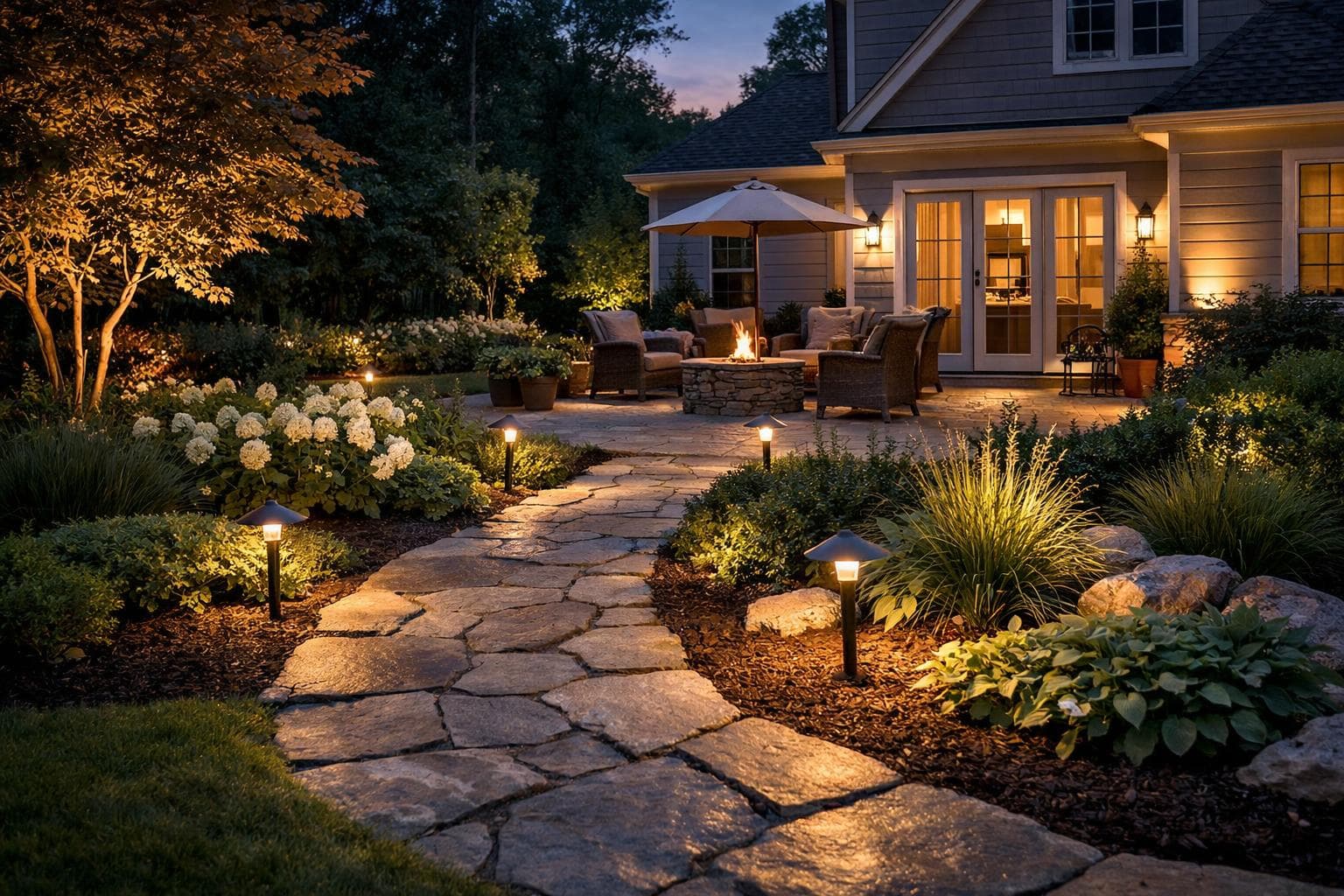
    Residential landscape lighting often centers on low-voltage systems that illuminate pathways, entry areas, planting beds, steps, patios, and selected architectural or focal features. Depending on the property, the scope may include transformers, wiring runs, fixture placement, timers or smart controls, and adjustments after dark once the system is energized.

    Landscape Lighting Guide for Homeowners related example showing Lighting detail relevant to dim areas, fixture shifts, and warning signs
    This lighting example gives homeowners a visual reference for comparing layout, materials, and maintenance tradeoffs before starting the project.
    • Common fixture types: path lights, uplights, step lights, downlights, wall lights, and accent lighting.
    • Common goals: safety, wayfinding, nighttime curb appeal, and extending the usability of patios or gathering areas.
    • Main planning factors: power access, beam spread, glare control, fixture spacing, and what parts of the property deserve emphasis.

    Start with purpose, not fixture count

    Homeowners get better lighting outcomes when they begin by asking what needs to be visible and what should feel highlighted. A front walkway may need clear wayfinding. A patio may need soft perimeter light instead of harsh overhead brightness. A planting bed may only need subtle accent lighting to create depth after sunset.

    This kind of thinking fits naturally into the broader site-planning approach described in our landscaping services guide.

    Where lighting usually has the most value

    • Walkways and entries: improve visibility and make access safer.
    • Patios and outdoor living areas: help extend the space into evening use.
    • Steps and grade changes: reduce trip hazards and improve navigation.
    • Planting beds and trees: add depth and visual structure at night.
    • Architectural focal points: give the home a more finished nighttime appearance.

    Lighting is often most effective when it supports spaces that are already well planned. If the yard layout is still taking shape, it may help to read the patio guide and project expectations guide as well.

    What affects landscape lighting cost

    Pricing depends on fixture quality, number of runs, transformer setup, installation difficulty, access, controls, and how spread out the lighting zones are across the property. A small front-entry system is very different from a whole-property lighting plan that covers pathways, patios, trees, and architectural accents.

    As with other services, value is not just about the visible hardware. Layout quality, nighttime adjustment, wire routing, and long-term reliability matter too. Our landscaping cost guide can help frame these decisions more realistically.

    Questions to ask before hiring for lighting

    • What areas of the property do you think need lighting most, and why?
    • How will glare be controlled so the lighting feels intentional rather than harsh?
    • What fixture quality and control options are included in the bid?
    • How will the lighting be adjusted after dark?
    • How should I expect to maintain the system over time?

    It also helps to review questions to ask before hiring a landscaper before comparing proposals.

    What homeowners should remember

    Good landscape lighting makes the property easier to move through and more enjoyable to look at after sunset. The best systems feel considered, not excessive. When a contractor can explain purpose, placement, and how the lighting supports the way the yard is used, you are much more likely to end up with a system that adds real value instead of visual clutter.

    Landscape Lighting Guide for Homeowners related example showing Landscape lighting detail relevant to fixture placement, wire routing, and project timing for homeowners
    This related lighting detail helps show how site conditions and finish choices can change the homeowner's plan.

    Cost guide: If you are still comparing proposals, the What Affects Landscape Lighting Cost Guide explains how wiring, zones, and fixture goals shape the budget.

    Fixture guide: The lighting fixture guide helps homeowners compare path, accent, and entertaining-area lighting by use case instead of by fixture style alone.

    Quote guide: The landscape lighting quote guide helps homeowners compare fixture count, transformer assumptions, and adjustment scope across bids.

    Timeline guide: The landscape lighting timeline guide helps homeowners judge scheduling expectations around design, installation, and nighttime adjustment.

    Expectations guide: The landscape lighting expectations guide helps homeowners understand layout, installation, and nighttime adjustment flow.

    Maintenance guide: The landscape lighting maintenance guide helps homeowners protect fixture performance and nighttime balance over time.

    Mistakes guide: The landscape lighting planning mistakes guide helps homeowners catch placement and over-lighting issues before installation.

    Warning signs guide: The landscape lighting warning signs guide helps homeowners judge dim areas, glare, fixture shifts, and control issues.

    More Service Planning Guides


  • Irrigation System Guide for Homeowners

    Irrigation System Guide for Homeowners

    An irrigation system can protect planting investments, support lawn health, reduce hand-watering time, and make a landscape easier to manage through seasonal changes. But not every property needs the same type of irrigation, and not every system is designed with efficiency or long-term maintenance in mind.

    This guide explains the basics of residential irrigation planning, common system types, what affects cost, and what homeowners should ask when irrigation is part of a larger landscape project.

    What residential irrigation usually includes

    Irrigation work can range from a simple sprinkler-zone upgrade to a full system planned around lawn areas, planting beds, drip lines, controllers, valves, and seasonal adjustments. On many projects, irrigation is one of the supporting systems that makes the visible landscaping perform well after installation.

    • Lawn irrigation: usually focused on even coverage and durable equipment placement.
    • Drip irrigation: often used in planting beds, shrubs, and lower-water-use designs.
    • Controller and zoning setup: helps match watering schedules to different plant and exposure needs.

    Why irrigation should match the landscape plan

    Watering should be built around what is actually being planted and how the property is used. A system designed only for convenience can overwater some areas, miss others, and make maintenance harder. The best results come when irrigation is planned with lawn shape, planting density, sun exposure, and hardscape layout already in mind.

    Irrigation System Guide for Homeowners related example showing Irrigation detail relevant to controller checks, head alignment, and maintenance
    This irrigation example gives homeowners a visual reference for comparing layout, materials, and maintenance tradeoffs before starting the project.

    That is one reason irrigation belongs inside the bigger planning conversation described in our landscaping services guide.

    When homeowners should evaluate irrigation

    Irrigation is worth reviewing when:

    • new lawn or planting beds are being installed
    • existing zones are not covering evenly
    • water bills are high and coverage seems wasteful
    • parts of the property stay too wet while others dry out
    • the landscape layout is changing enough that old head placement no longer makes sense

    Major patio, retaining wall, drainage, and planting projects are often the right time to rework irrigation because the site is already being opened up.

    How irrigation affects cost and maintenance

    Irrigation pricing depends on zone count, trenching needs, controller choices, valve work, drip-line complexity, repairs to existing systems, and how much of the yard needs new coverage. Long-term cost is also affected by maintenance and seasonal adjustments. A cheaper install that wastes water or requires frequent fixes may not be the better value.

    Homeowners comparing full outdoor budgets should also read our landscaping cost guide so irrigation is evaluated as part of the whole project, not as an isolated line item.

    Irrigation and drainage are connected

    Too much water in the wrong place can look like a drainage failure when the real problem is irrigation coverage or scheduling. In other cases, a true grading or runoff problem can make homeowners think the irrigation system is at fault. That is why the best contractors evaluate both. If water management is a concern on your site, pair this guide with our drainage solutions guide.

    Questions to ask before hiring for irrigation work

    • How will the system be zoned for lawn, planting beds, and different sun exposures?
    • What parts of the existing system can realistically be reused?
    • How will irrigation be coordinated with new patios, walls, or planting plans?
    • What maintenance or seasonal service should I expect?
    • How will you test for even coverage and overspray?

    If you are still comparing companies more generally, our hiring guide can help you ask better project-level questions.

    What homeowners should remember

    A good irrigation system supports the landscape you actually want, not just the one that was there before. The more clearly a contractor explains zoning, efficiency, maintenance, and how irrigation fits into the rest of the project, the more likely you are to end up with a system that protects the investment instead of creating new water problems.

    Irrigation System Guide for Homeowners related example showing Irrigation detail relevant to planning mistakes, zoning, and controller decisions
    This related irrigation detail helps show how site conditions and finish choices can change the homeowner's plan.

    Related guide: If coverage problems, runoff, or dry spots are the main issue, the Signs Your Irrigation System Needs Attention Guide can help narrow the problem before bigger plant stress sets in.

    Cost guide: Homeowners comparing system proposals can use the What Affects Irrigation System Cost Guide to understand zoning, trenching, and retrofit factors.

    Quote guide: The irrigation quote guide makes it easier to compare zone planning, controller scope, and testing assumptions.

    Expectations guide: The irrigation expectations guide helps homeowners understand layout, trenching, controller setup, and system testing during the project.

    Maintenance guide: The irrigation maintenance guide helps homeowners stay ahead of head alignment, leaks, controller issues, and uneven coverage.

    Mistakes guide: The irrigation planning mistakes guide helps homeowners catch zoning, coverage, and controller mistakes before installation.

    Timeline guide: The irrigation timeline guide helps homeowners understand how layout, trenching, and testing affect project length.

    More Service Planning Guides

    Estimate irrigation system cost before comparing quotes

    Use this irrigation calculator to test how watered area, zone count, system style, controller choice, and trenching difficulty can change the rough project range.

    Irrigation Cost Calculator

    Estimate irrigation pricing based on area, system style, number of zones, and controller choice.